Who says Halloween weddings have to be filled with cobwebs, skeletons, and spooky decorations?
If you love Halloween but still want a romantic and elegant wedding, you can embrace the season in a way that feels sophisticated, intentional, and completely you.
From moody florals to subtle nods to the holiday, here are some ideas for creating a Halloween-inspired wedding without turning your reception into a haunted house!
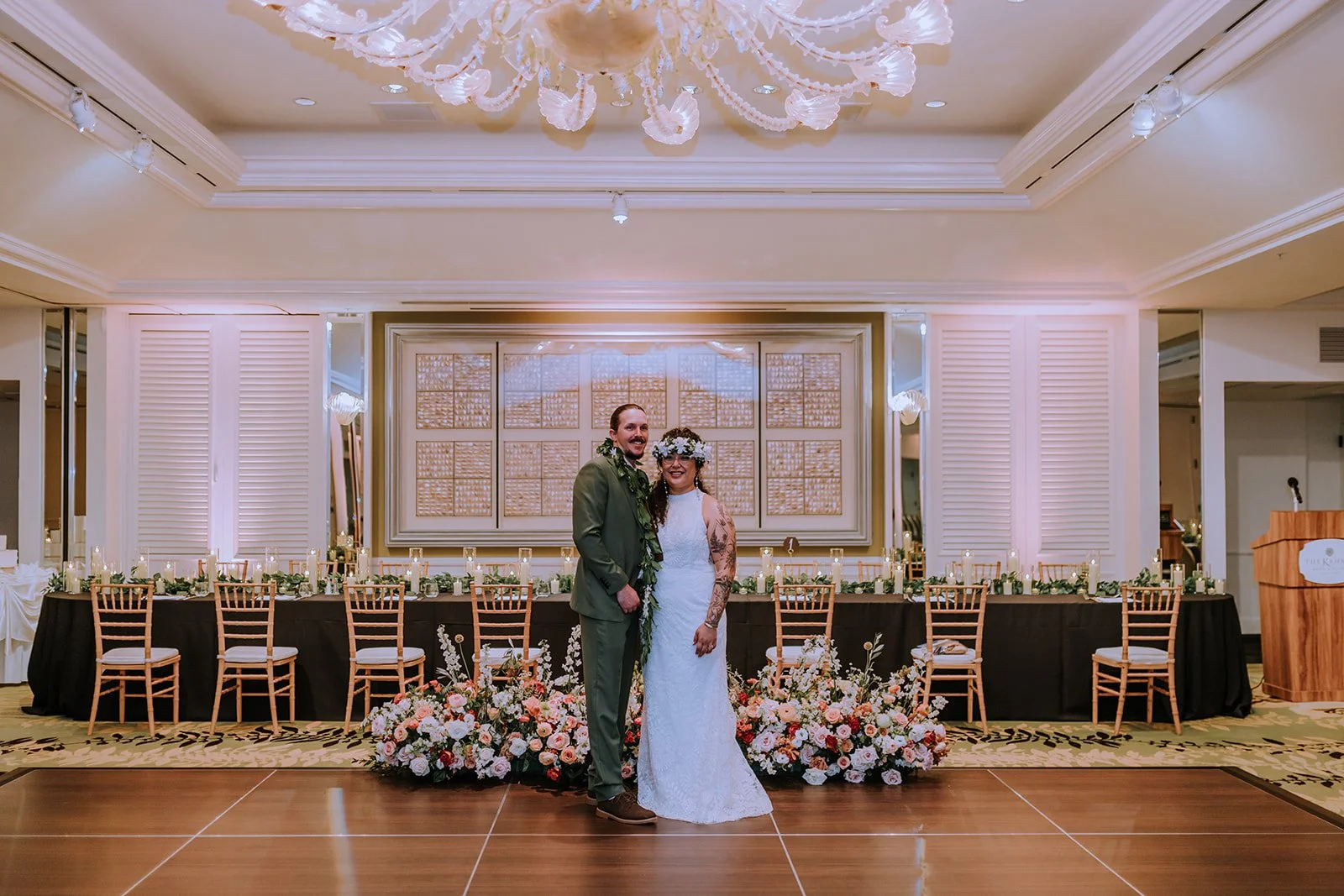
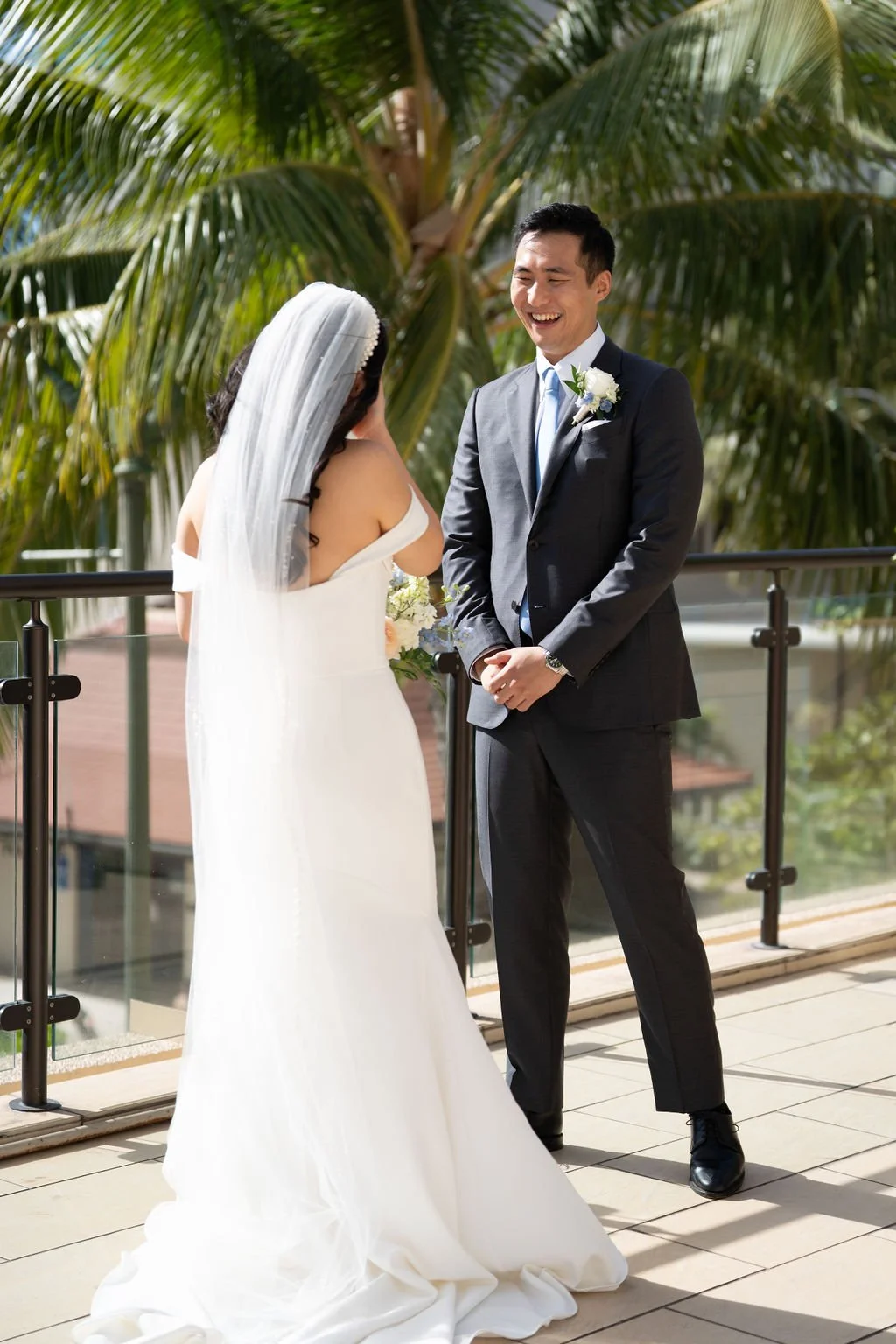
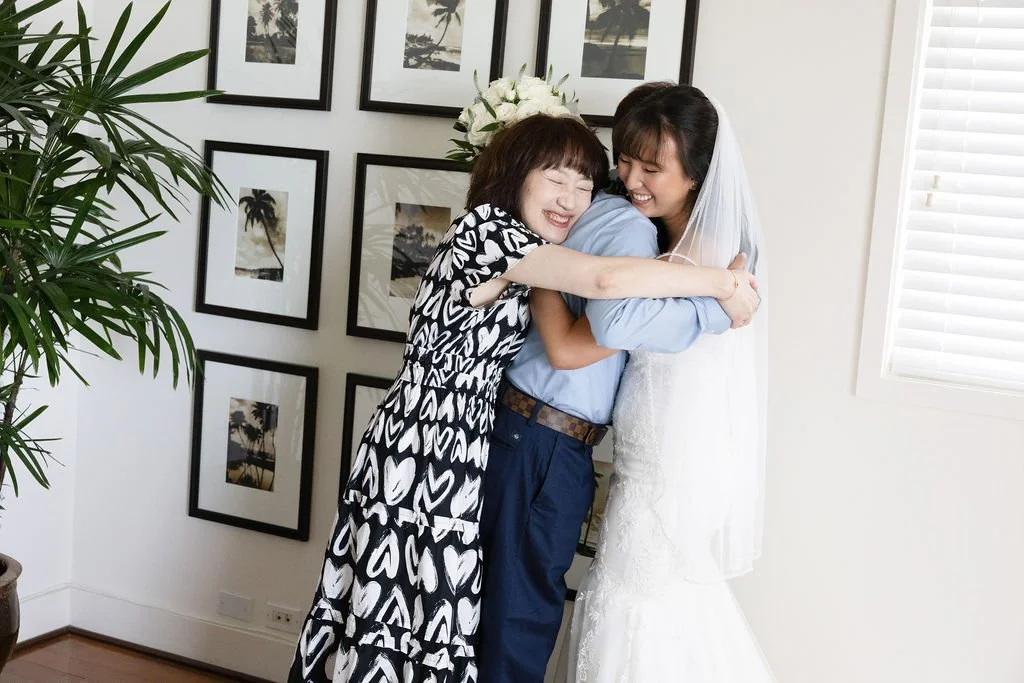
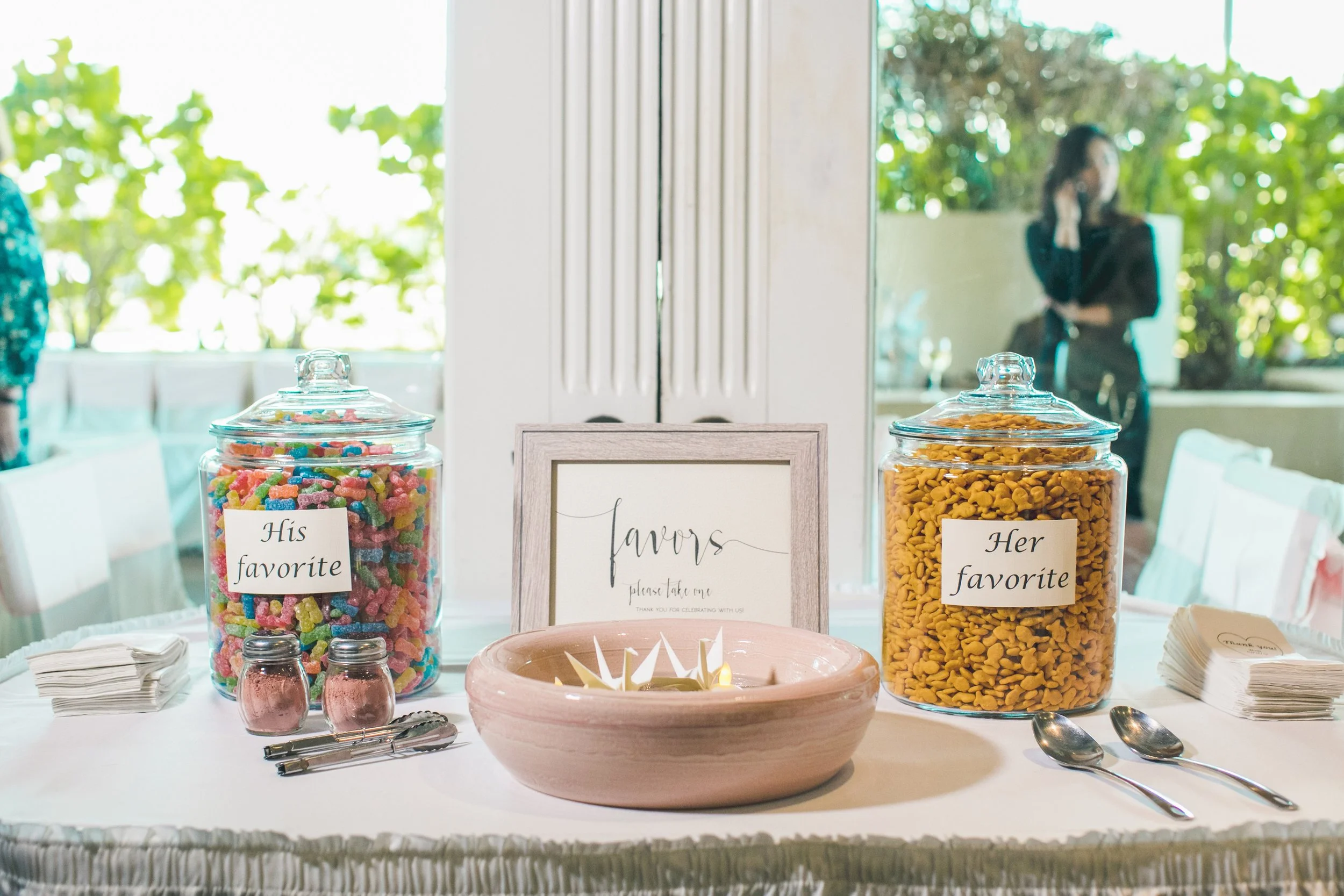
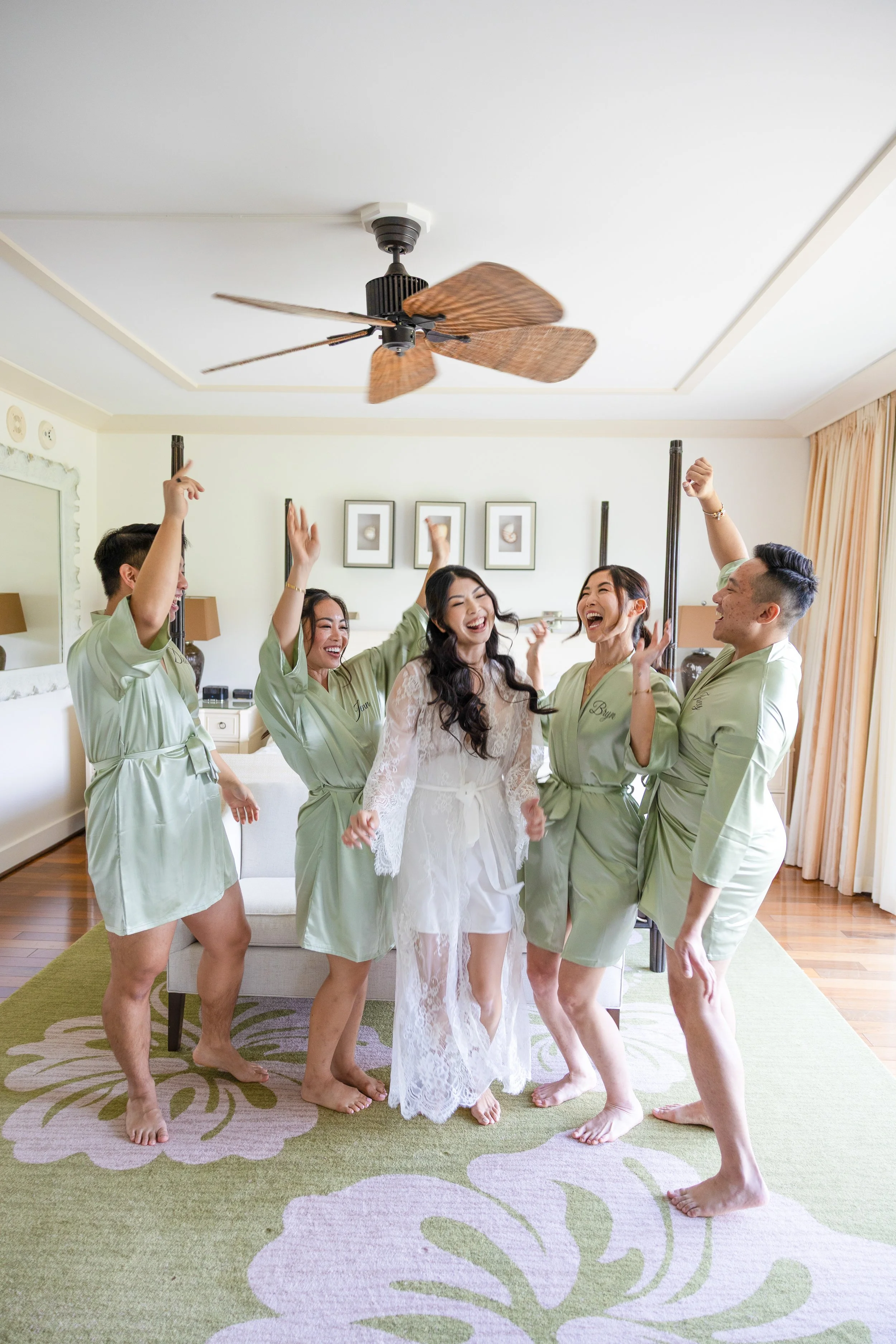
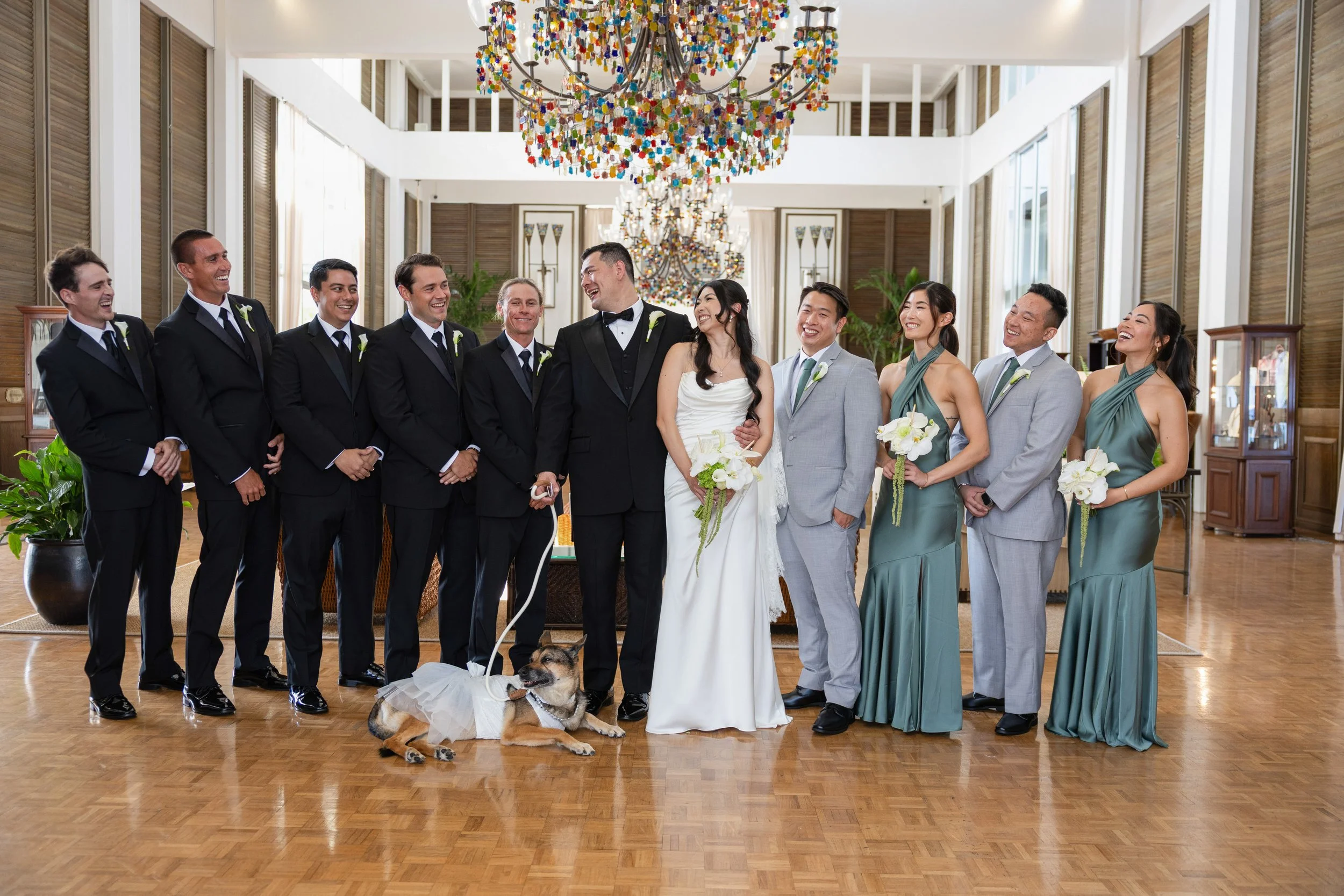
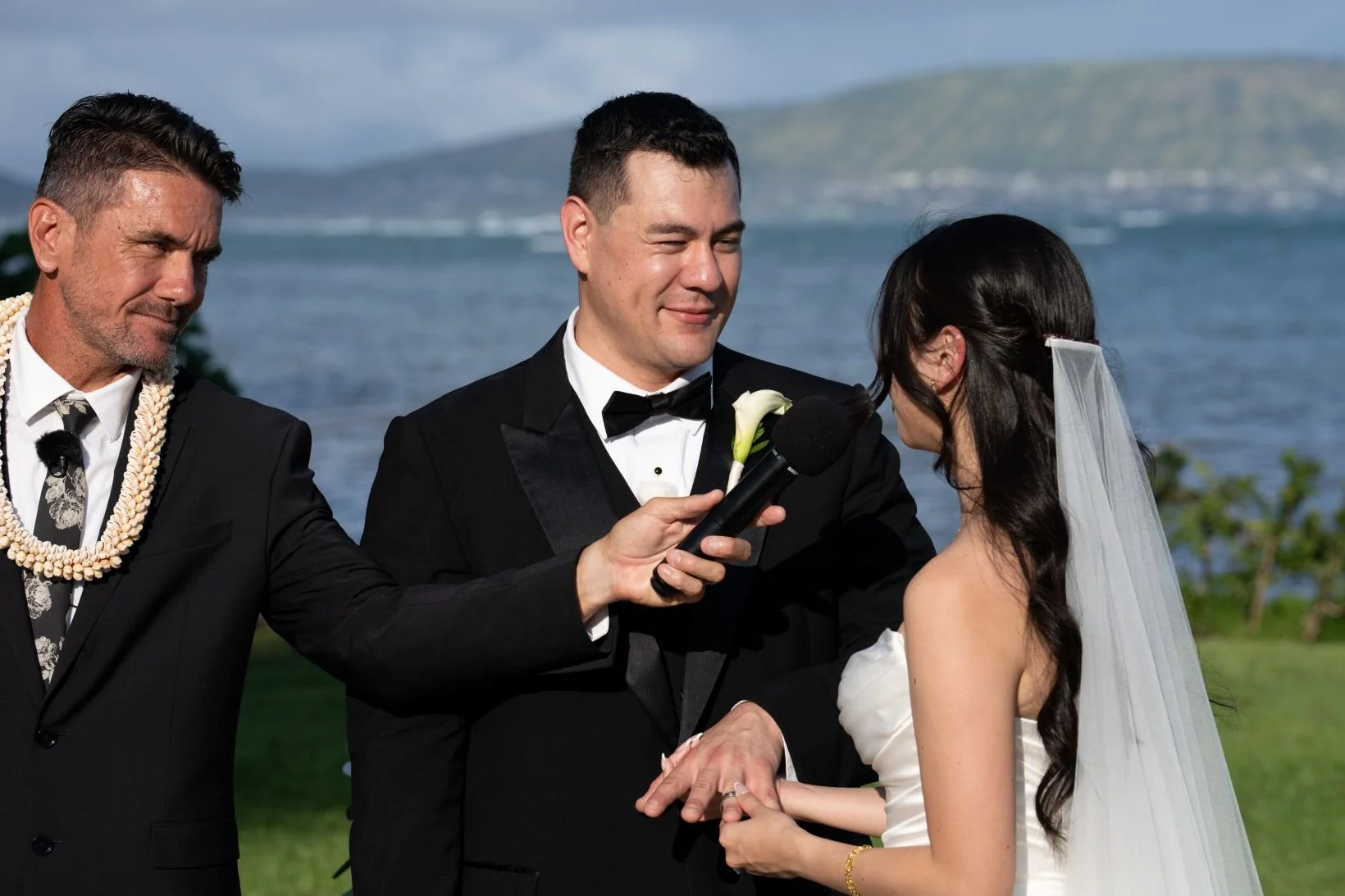
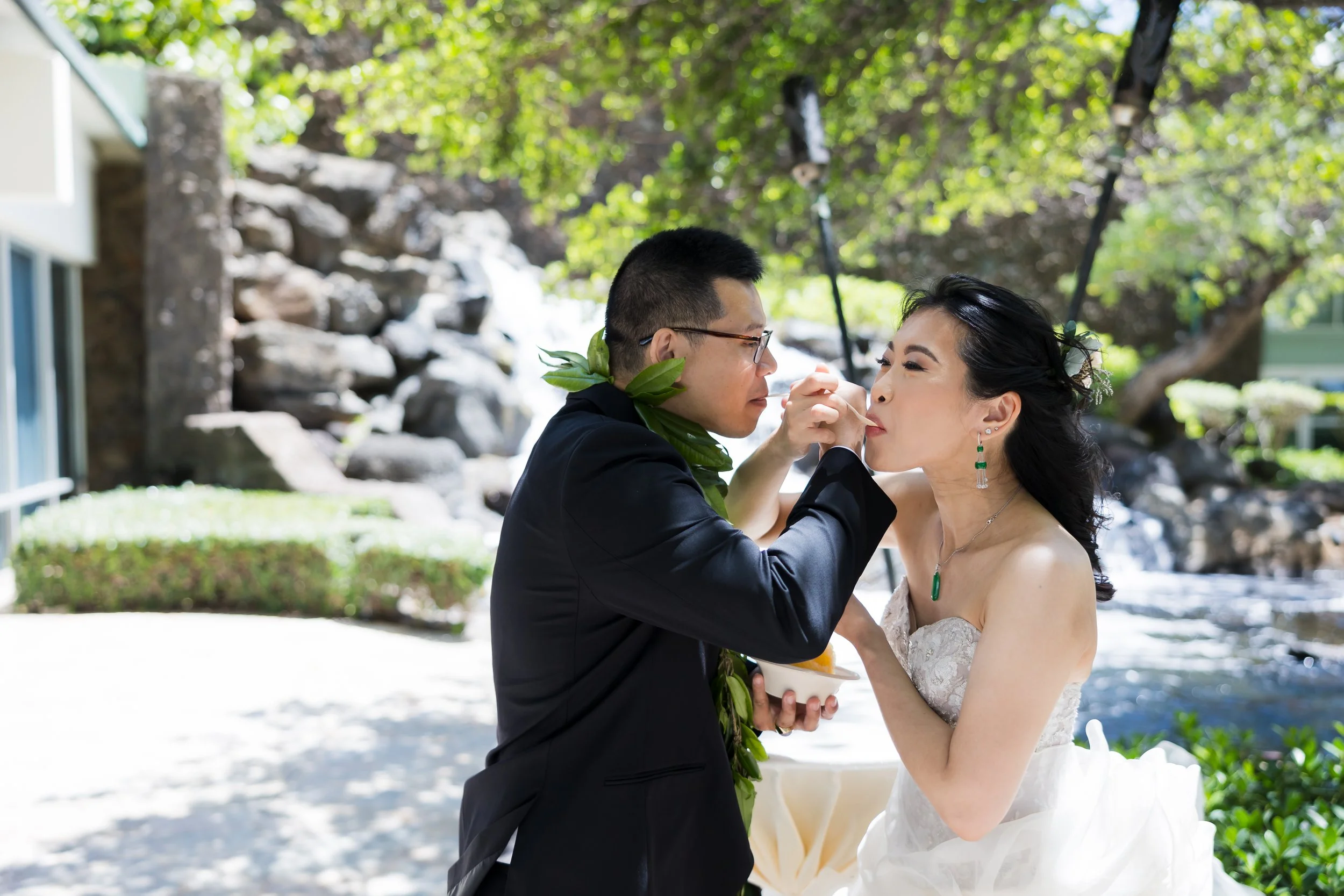
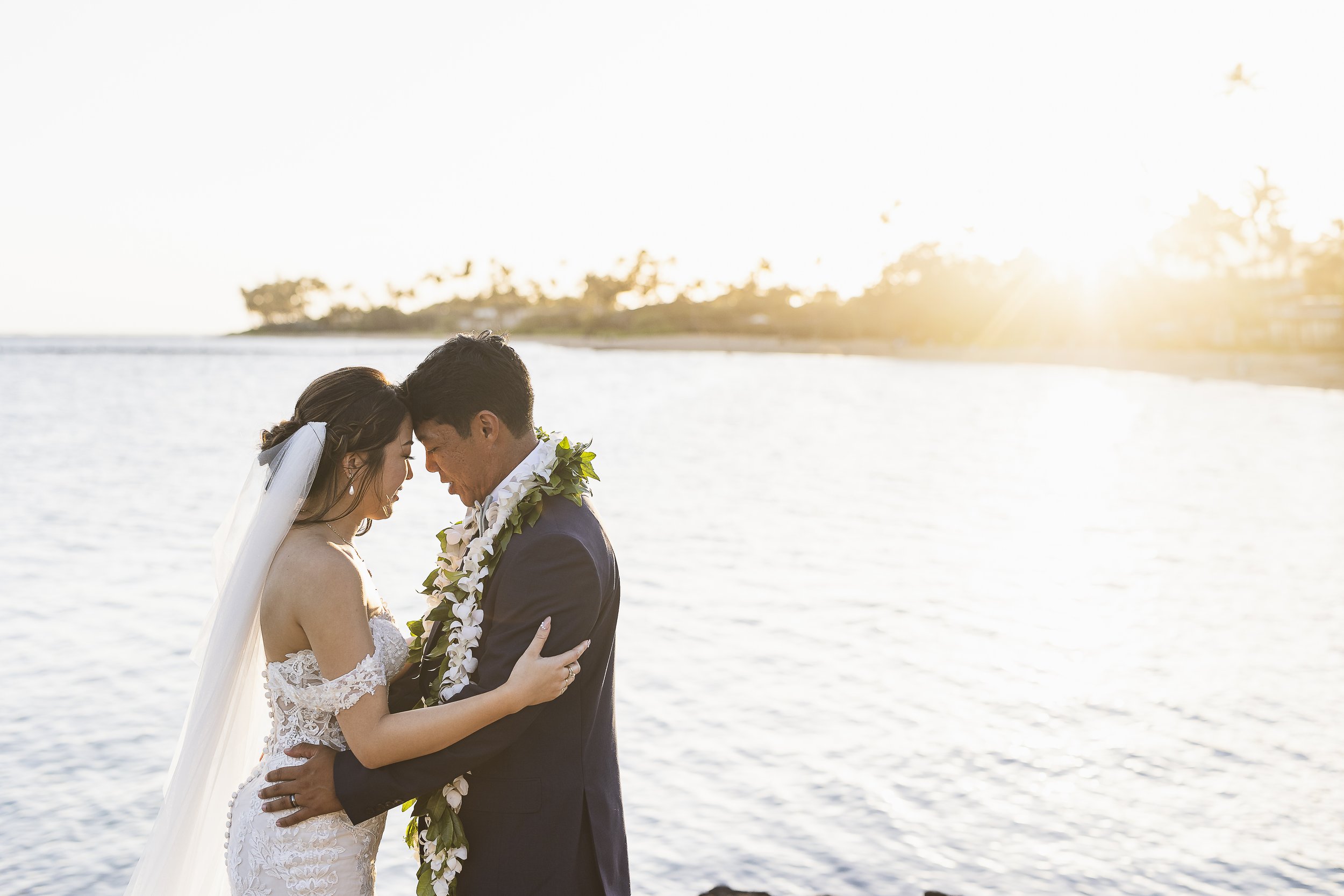
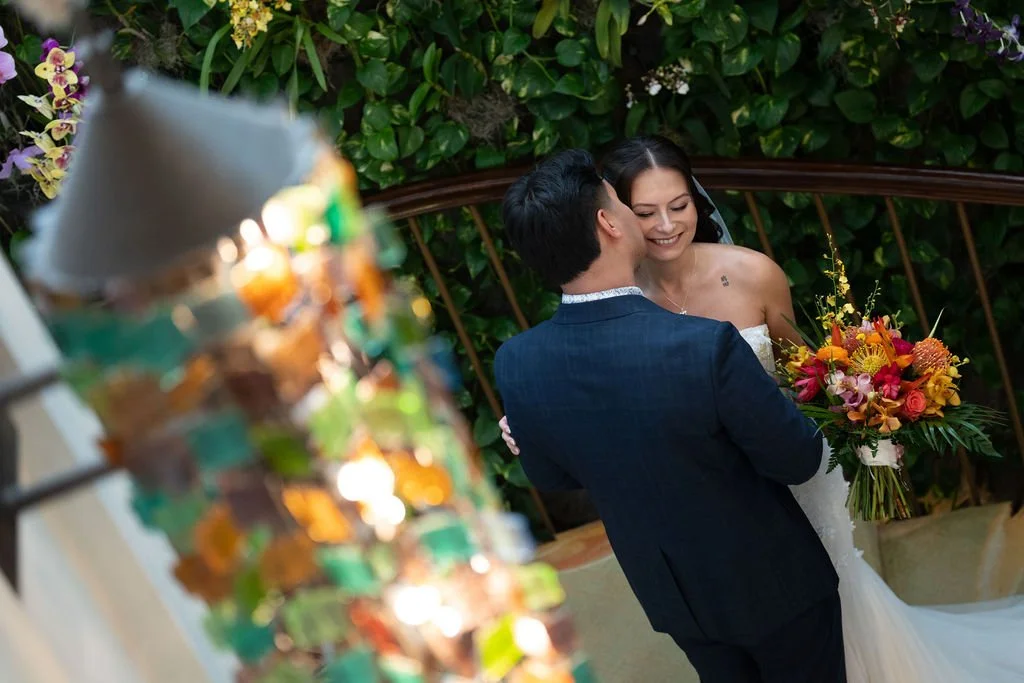
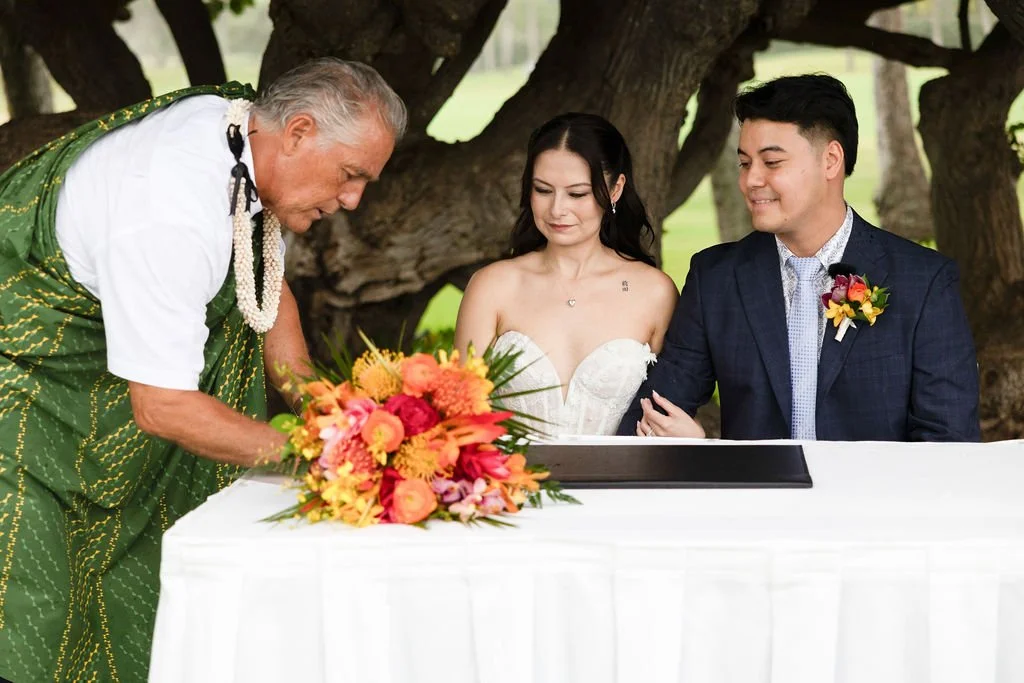
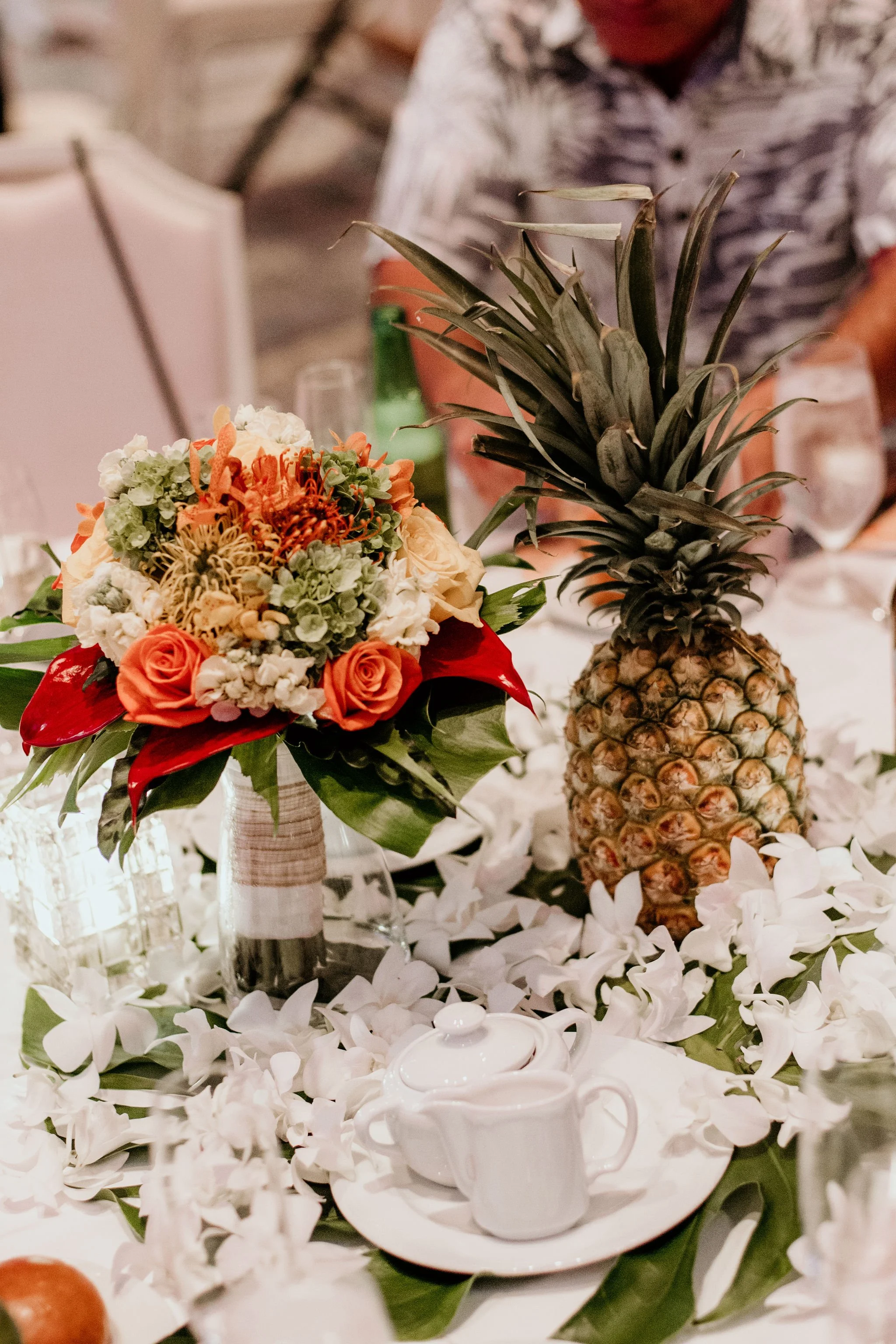
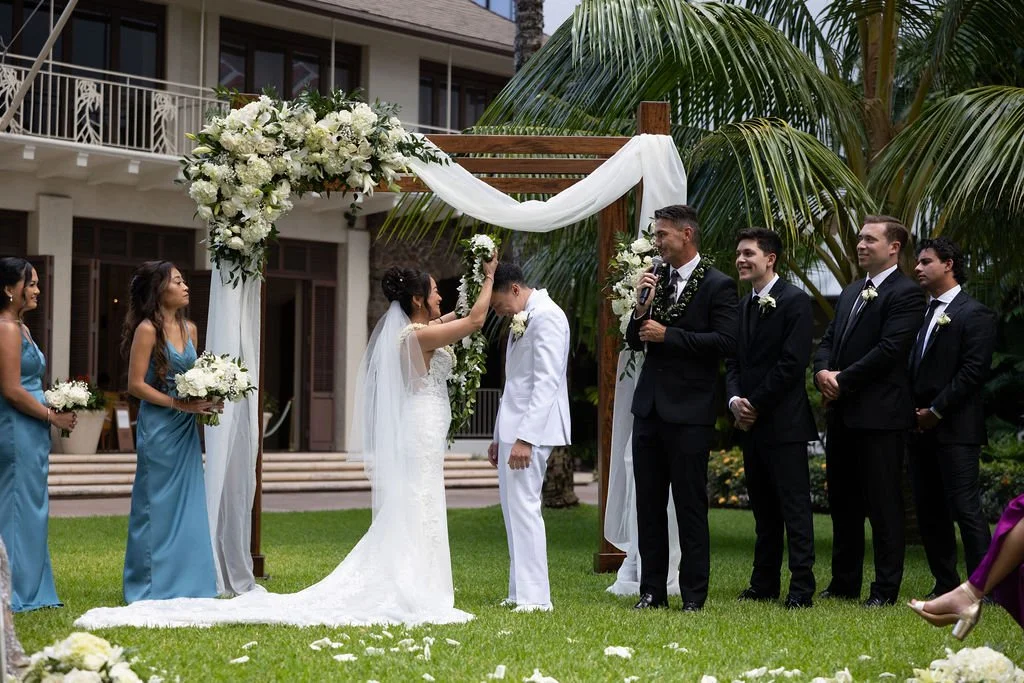
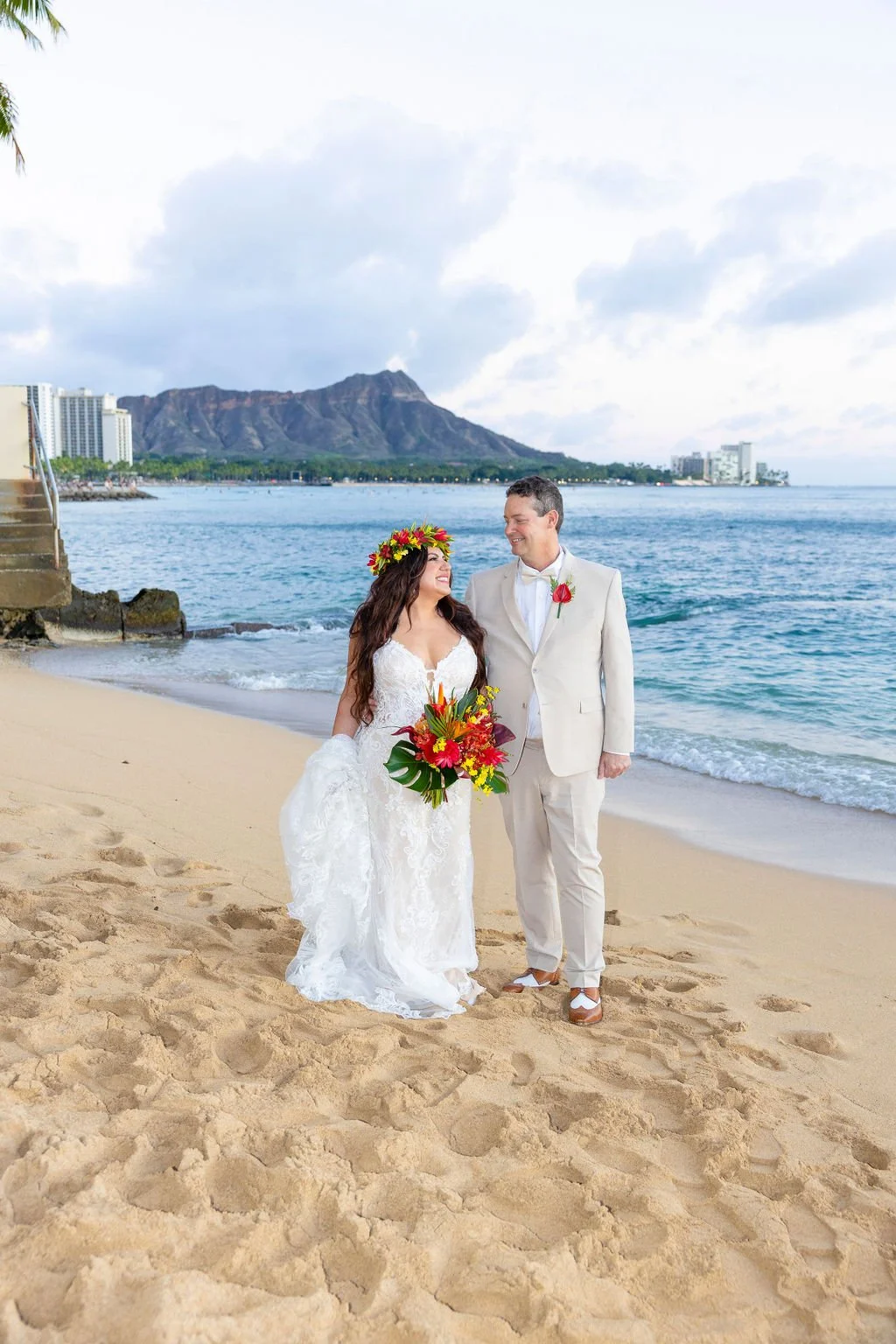
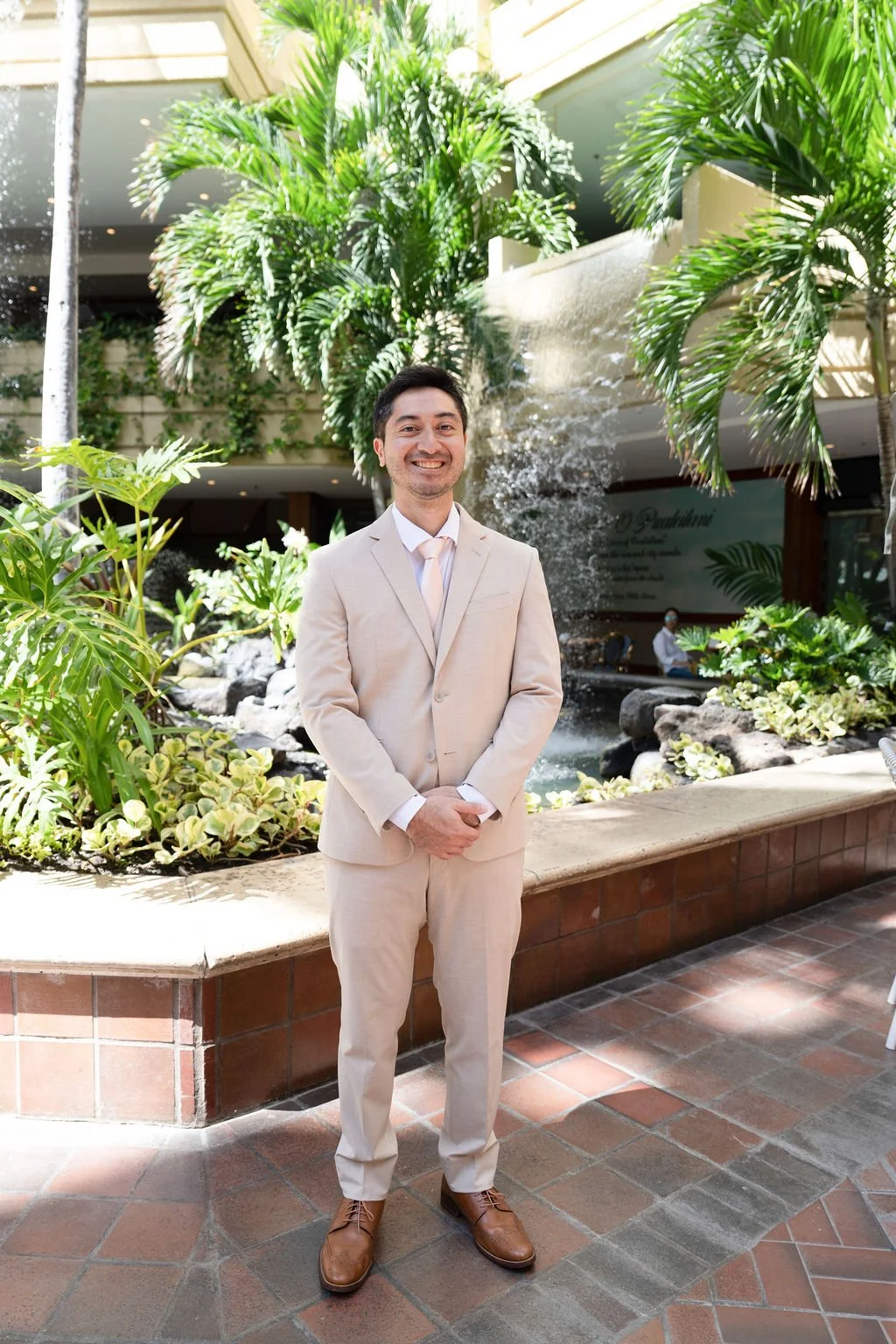
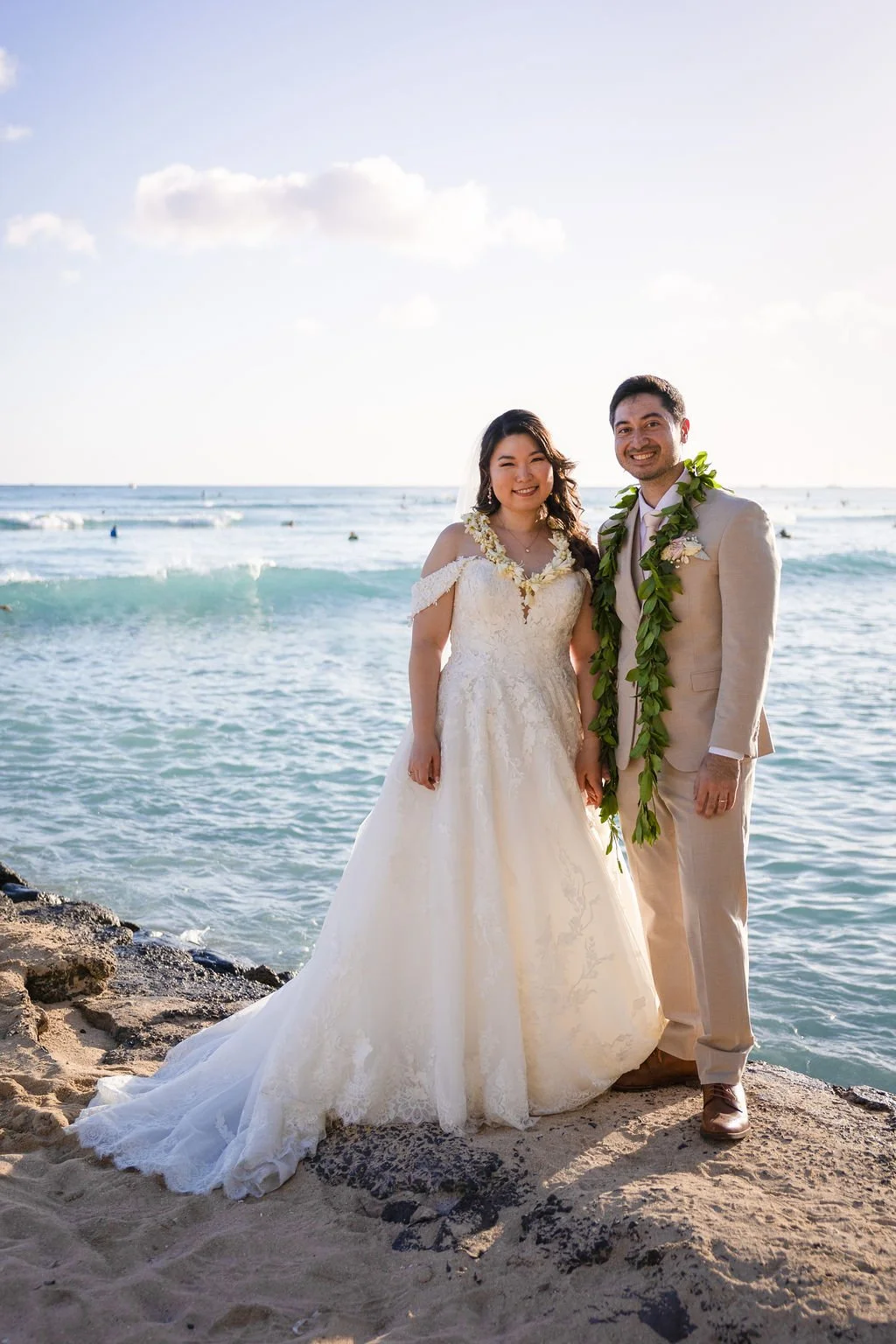
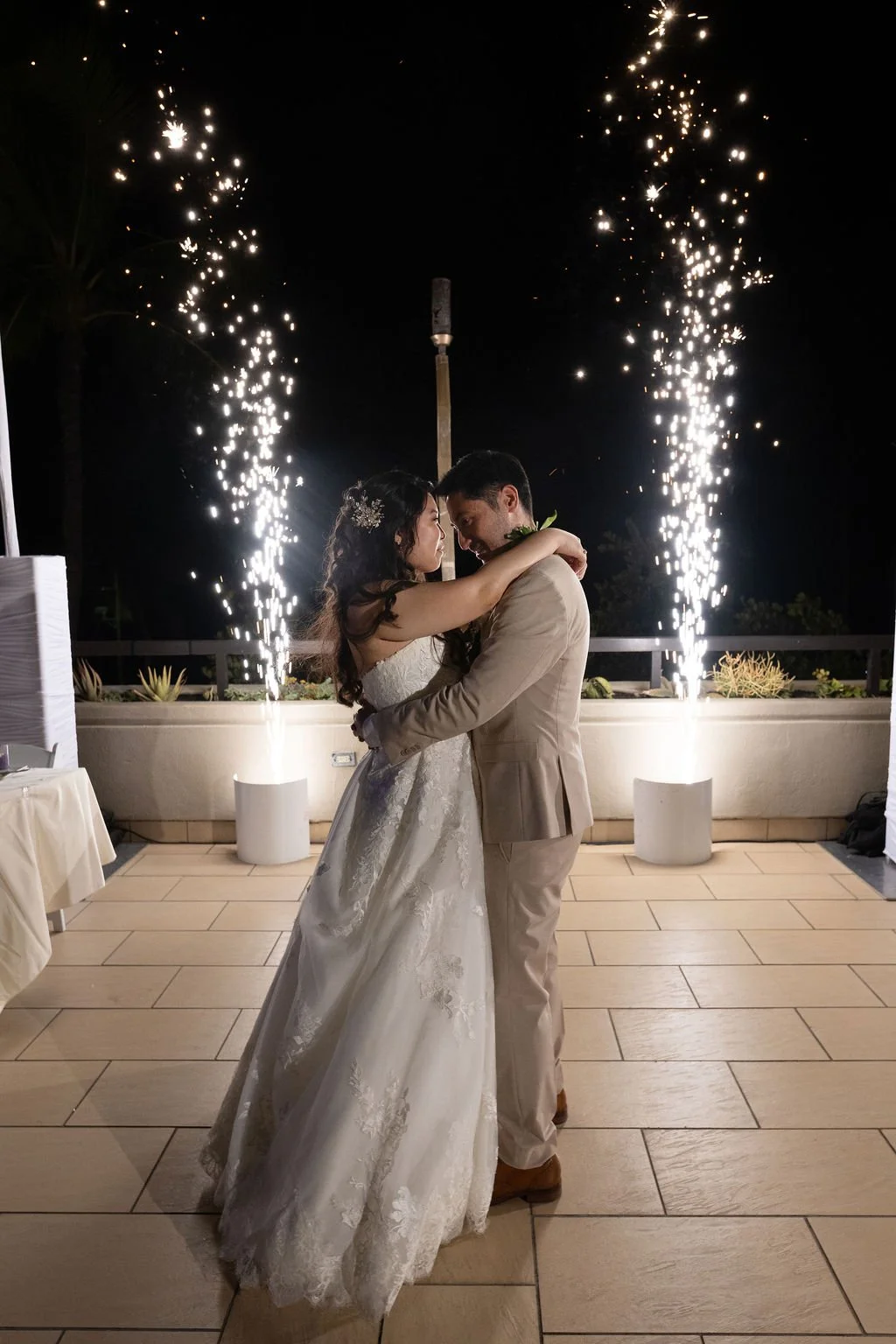
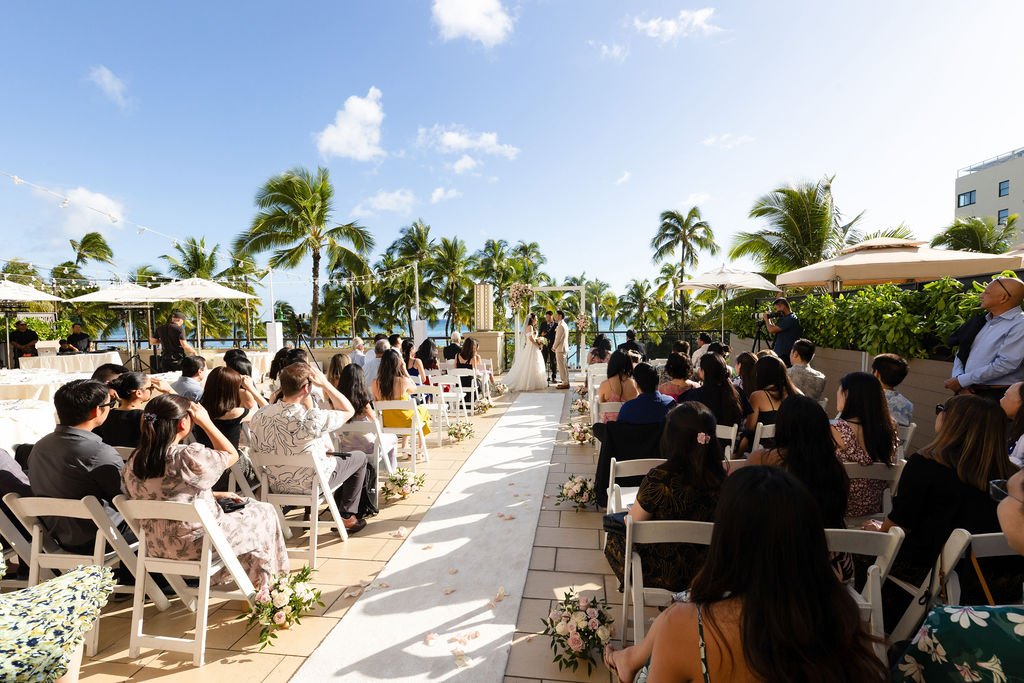
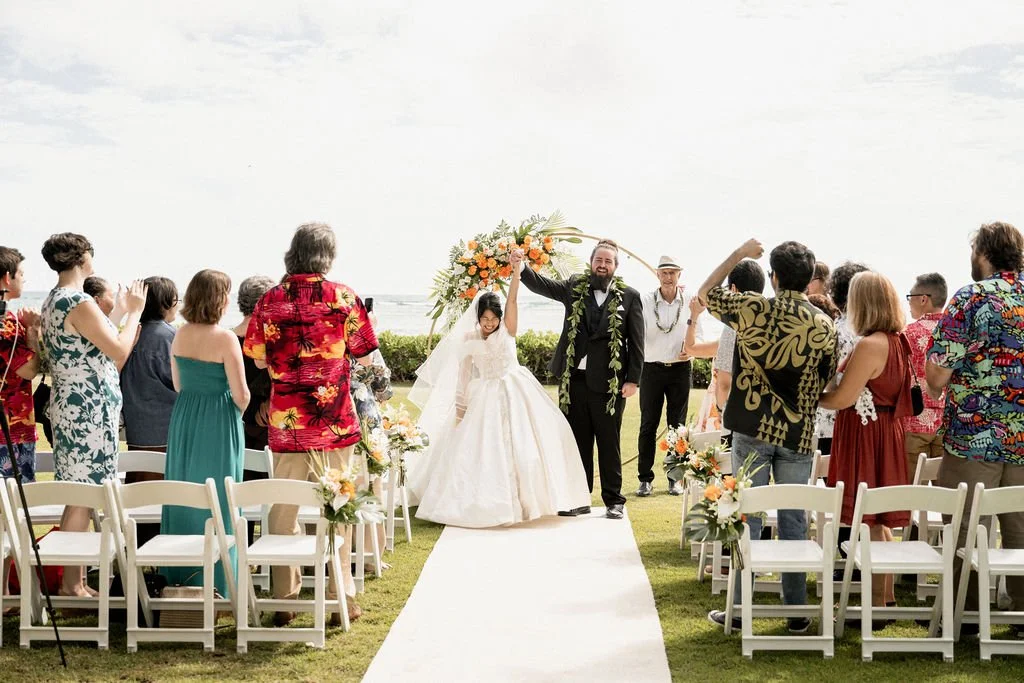
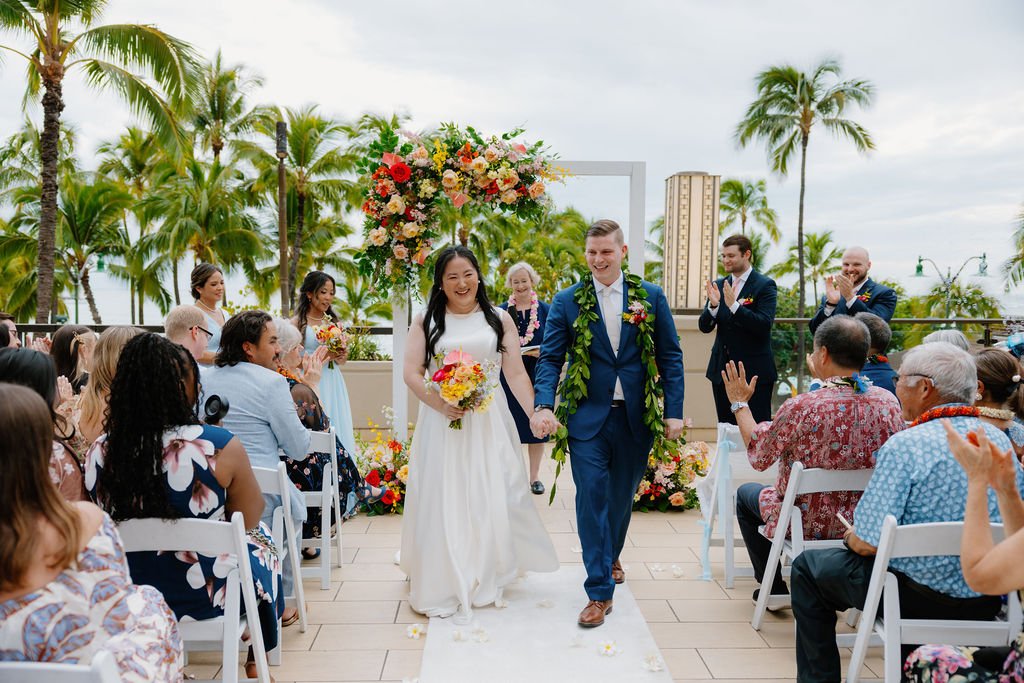
Photography: Anela Benavides
Start With a Moody Color Palette
Instead of traditional Halloween orange and black, consider a more sophisticated palette.
Deep burgundy, plum, forest green, champagne, ivory, and black can create a romantic autumn-inspired look without feeling overly themed.
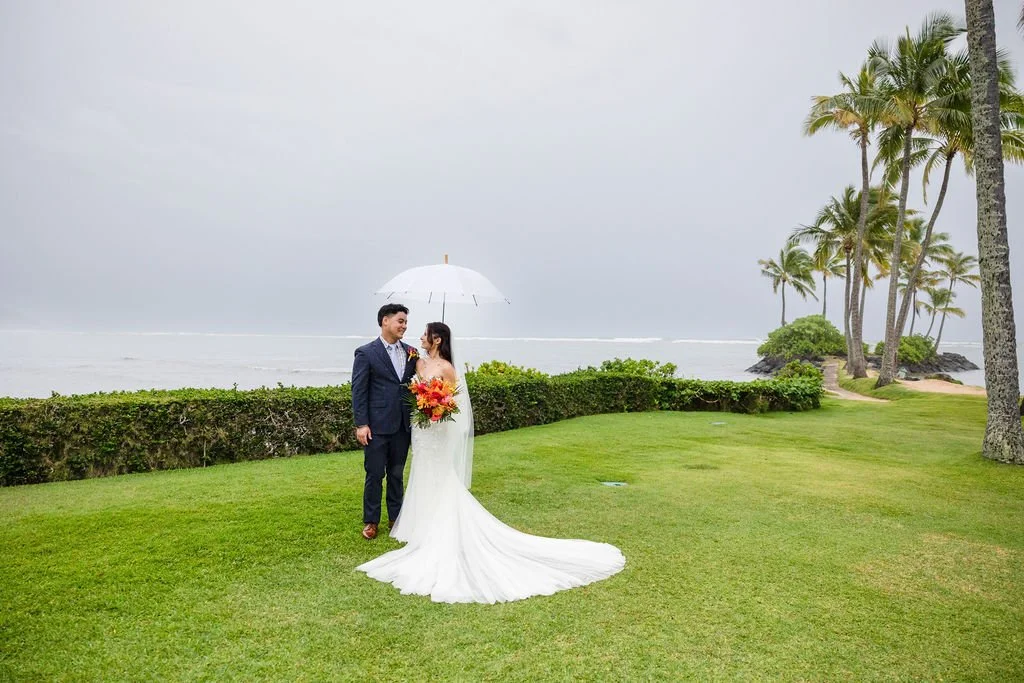
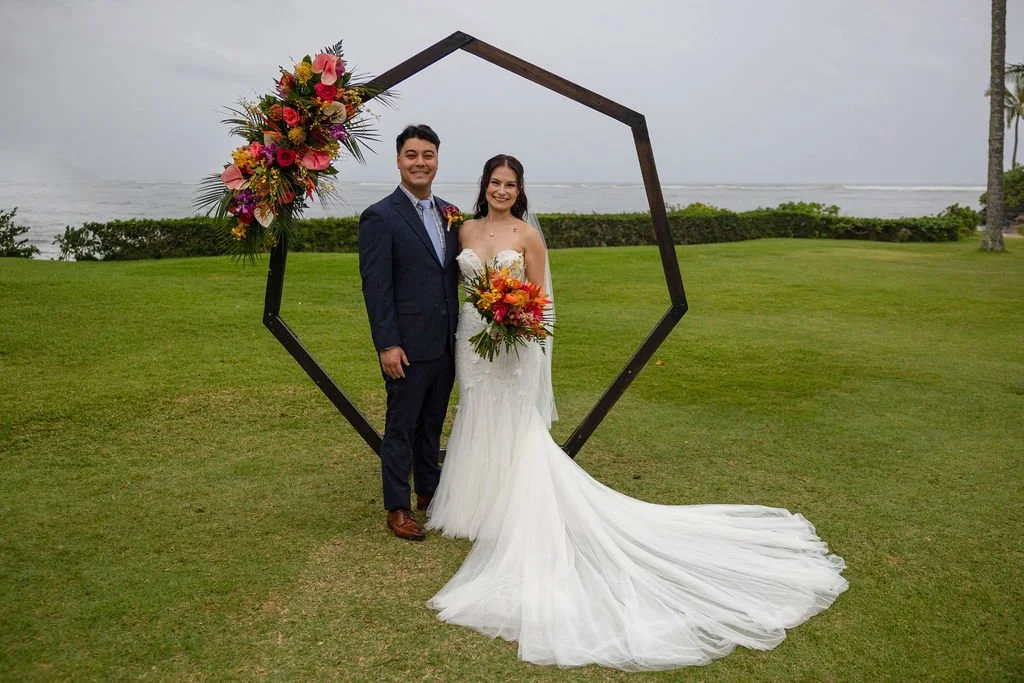
For a Hawaiʻi wedding, you can also incorporate tropical greens and warm neutrals to balance the deeper tones and create a look that feels both seasonal and island-inspired!
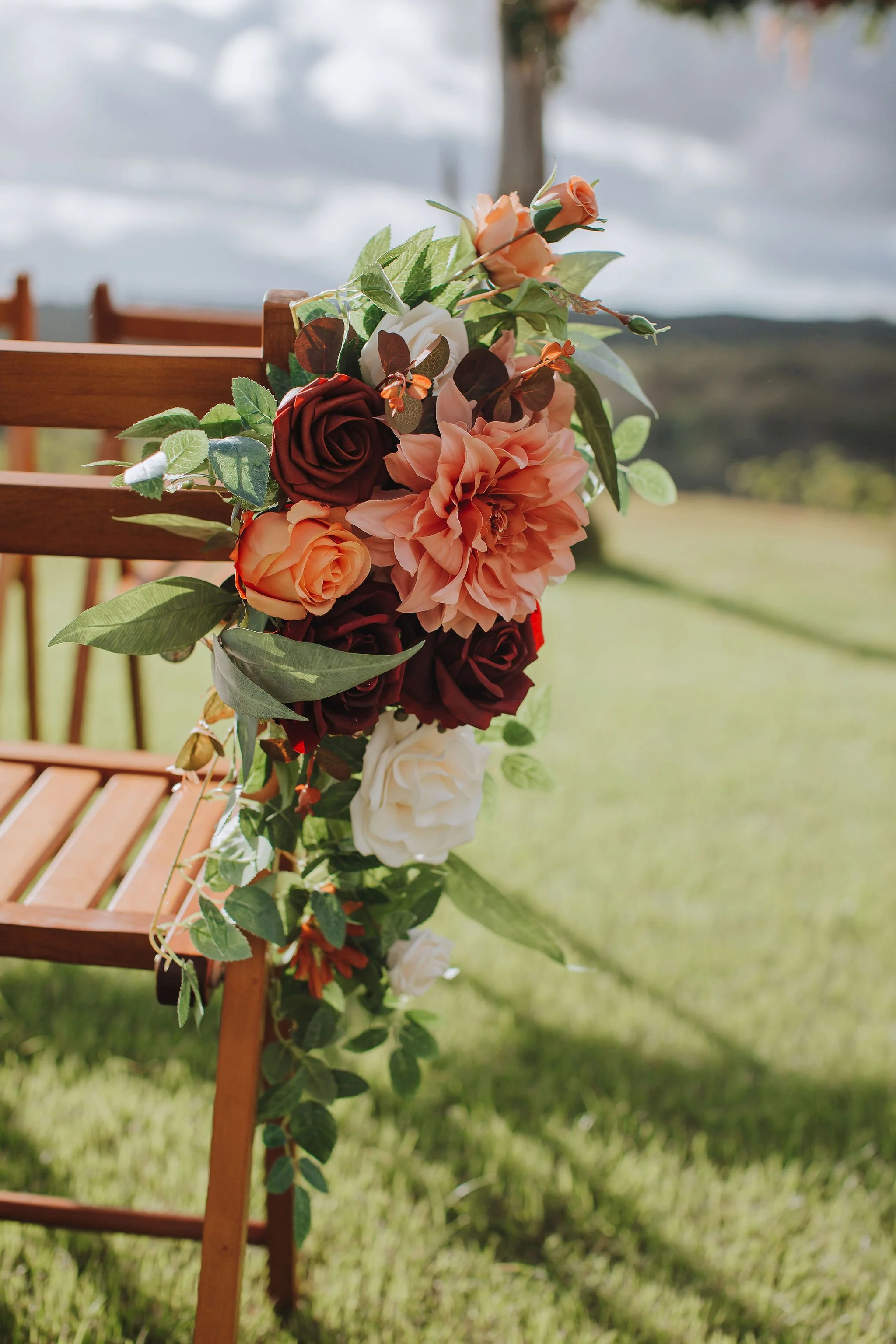
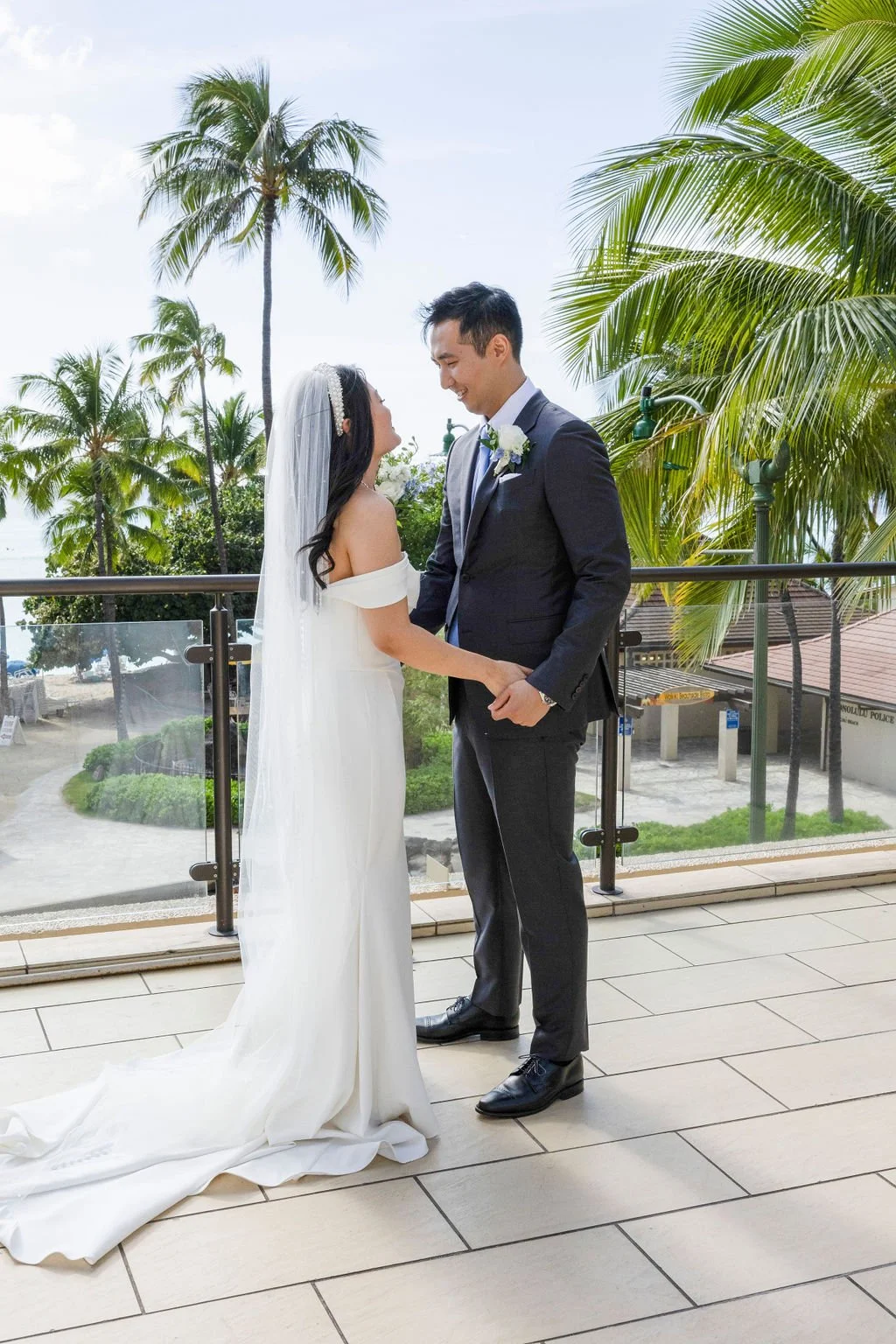
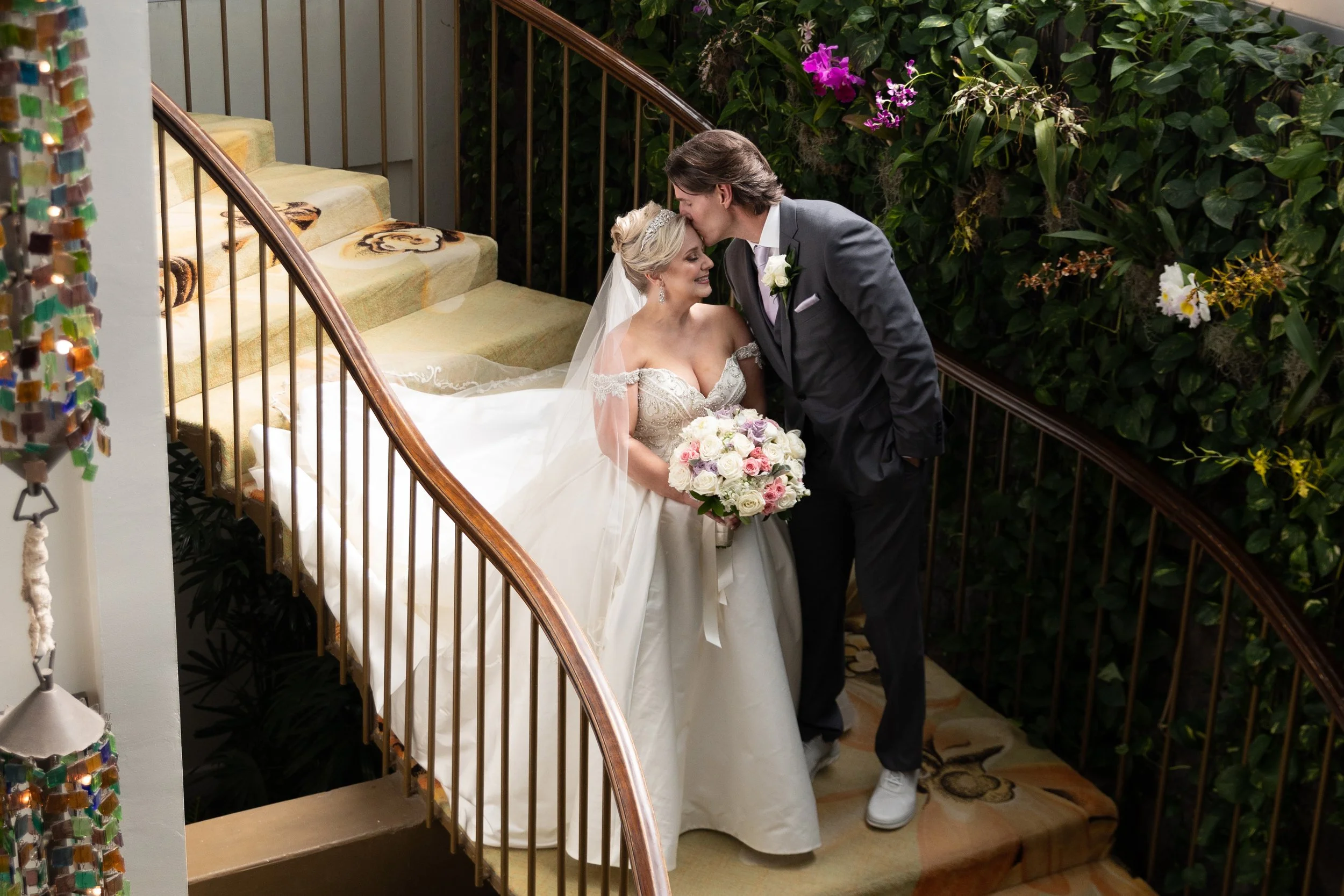
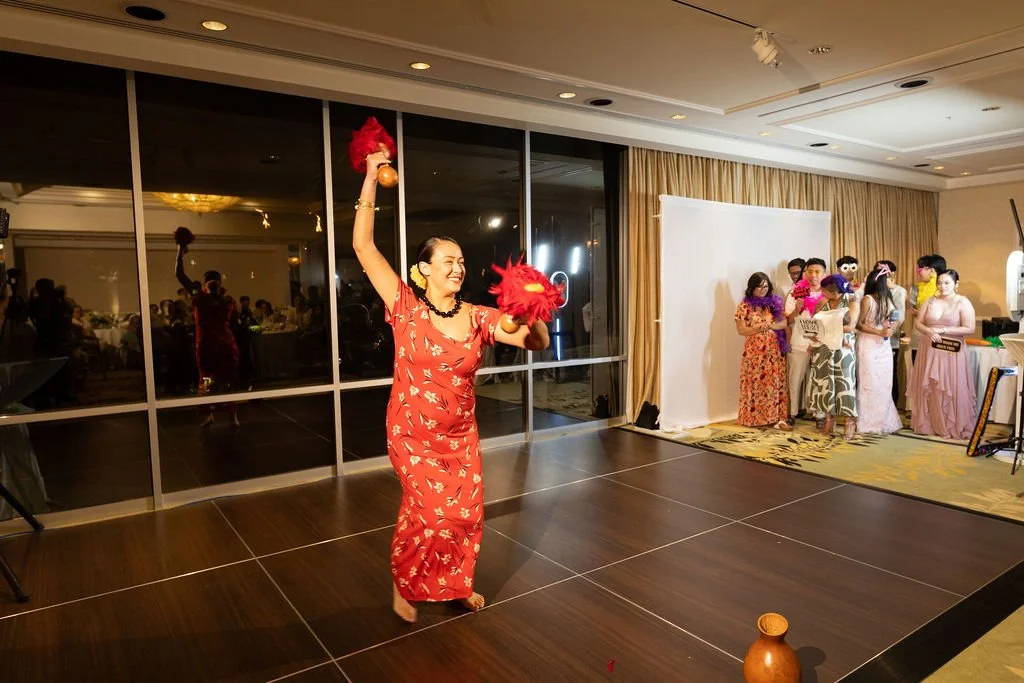
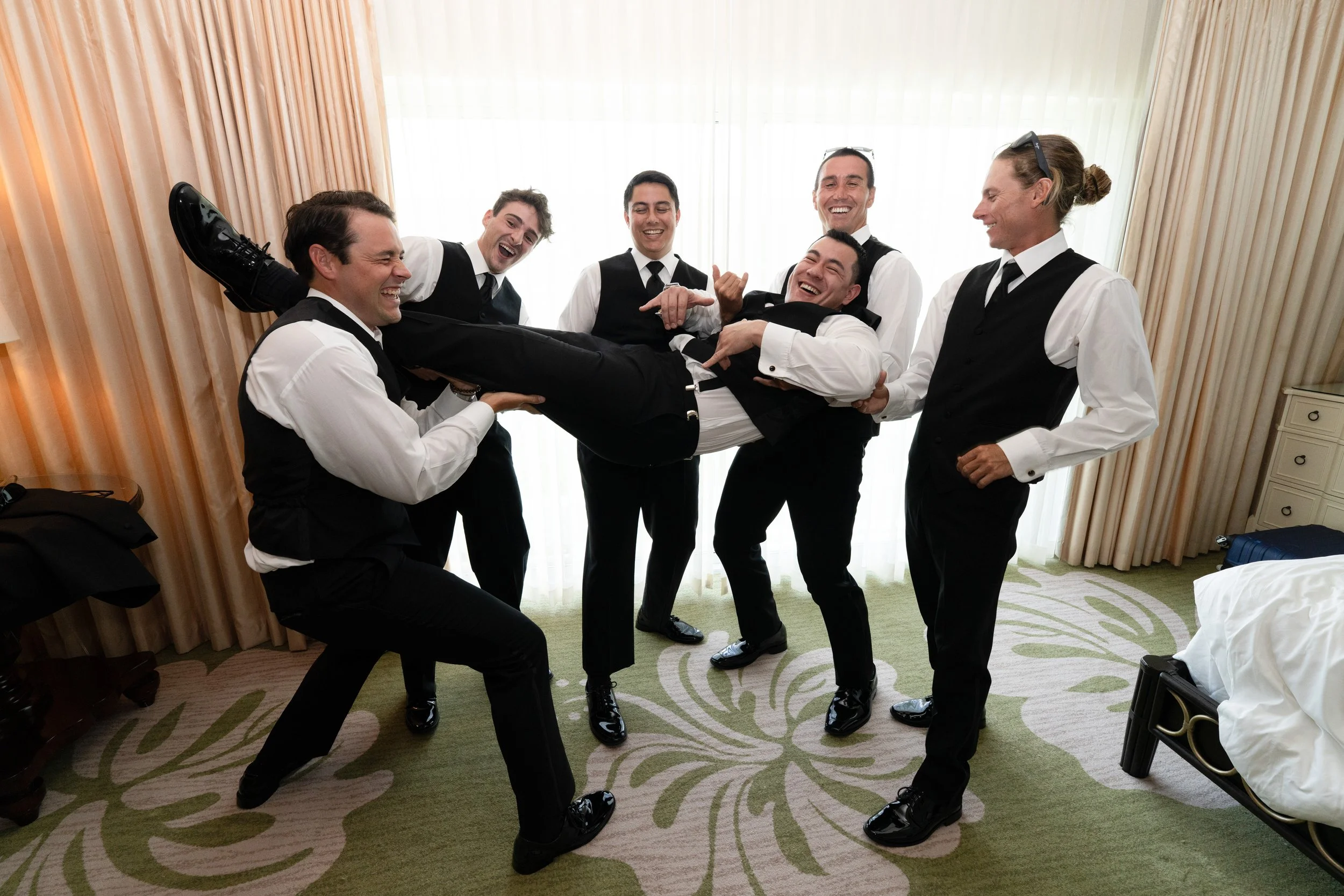
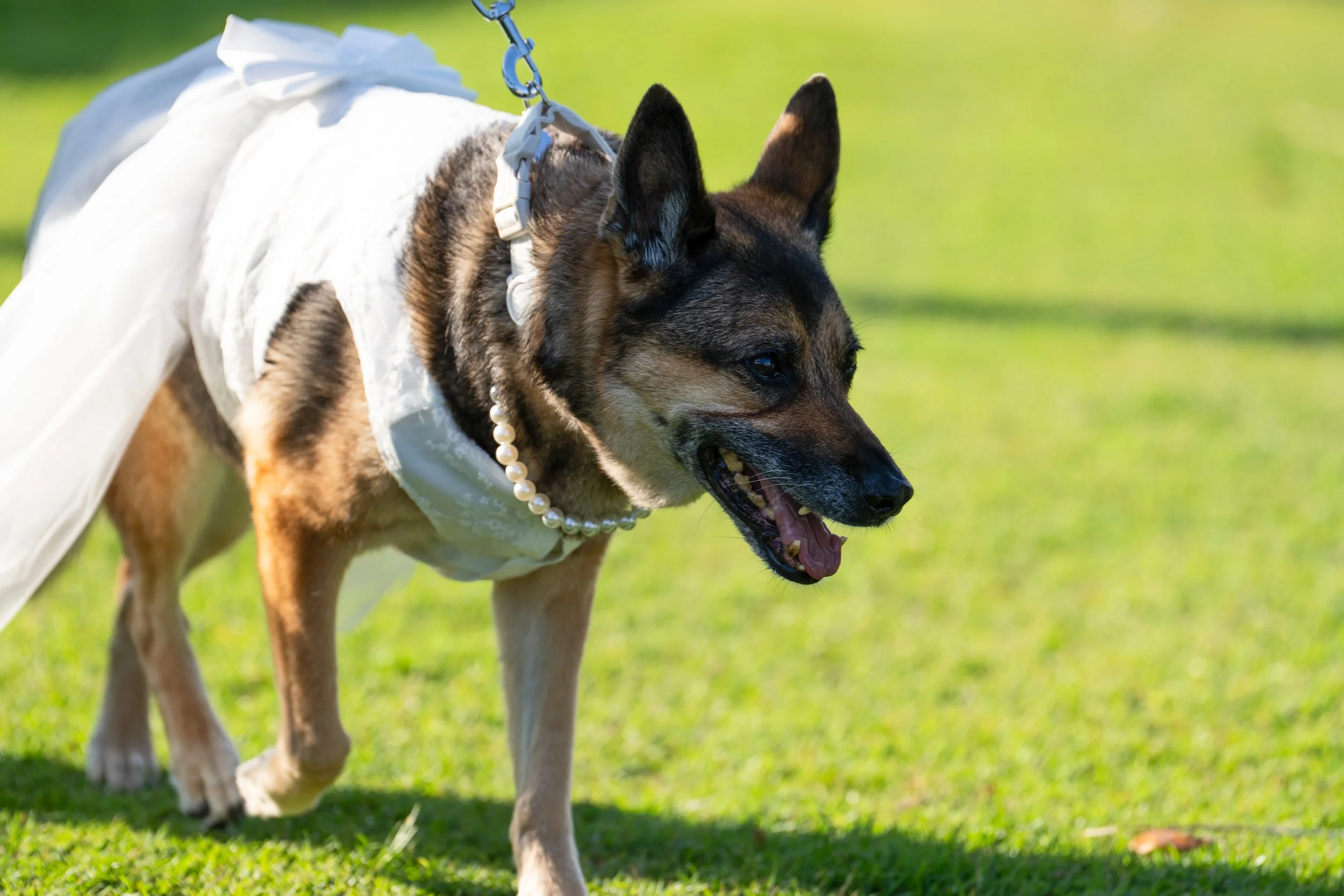
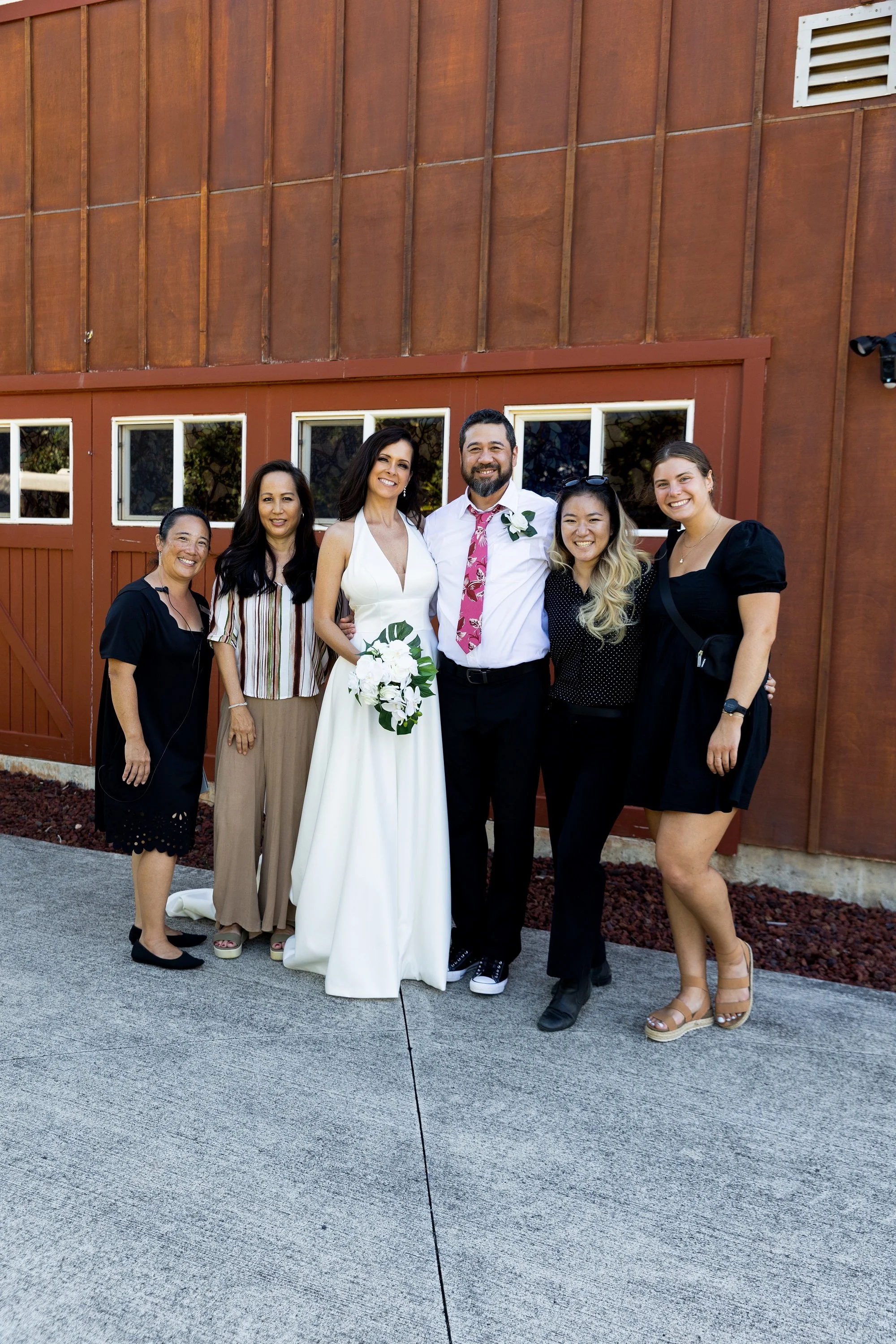
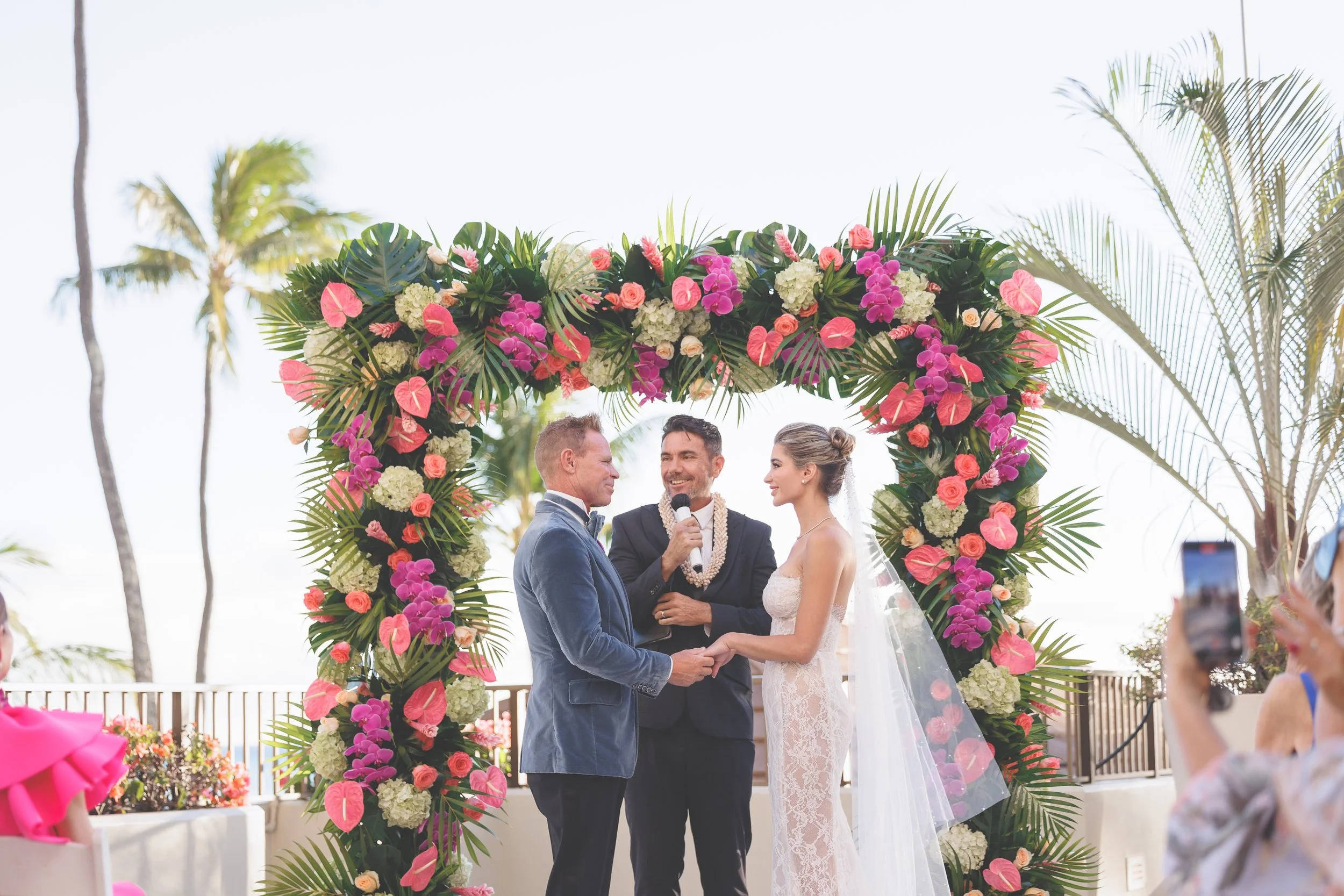
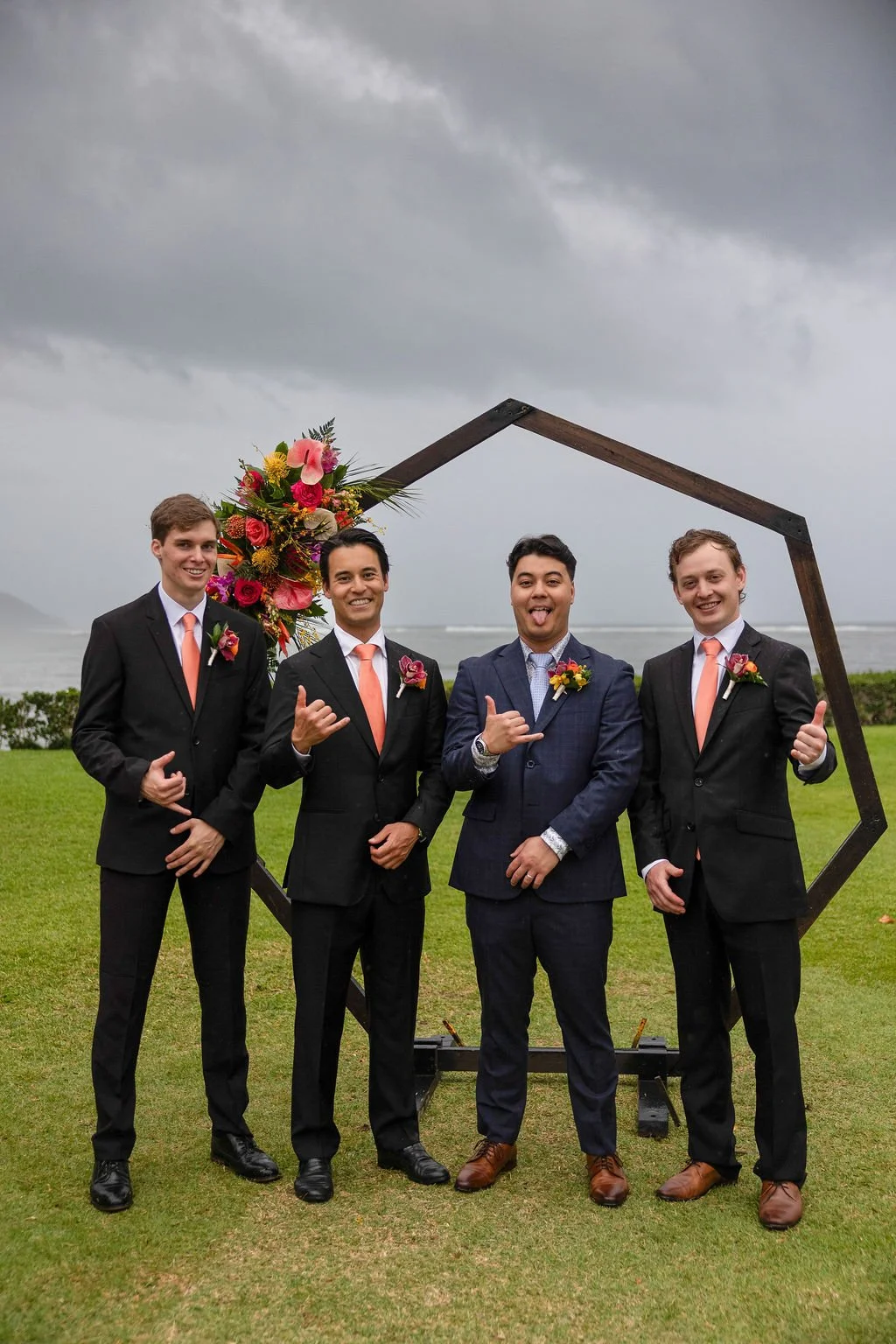
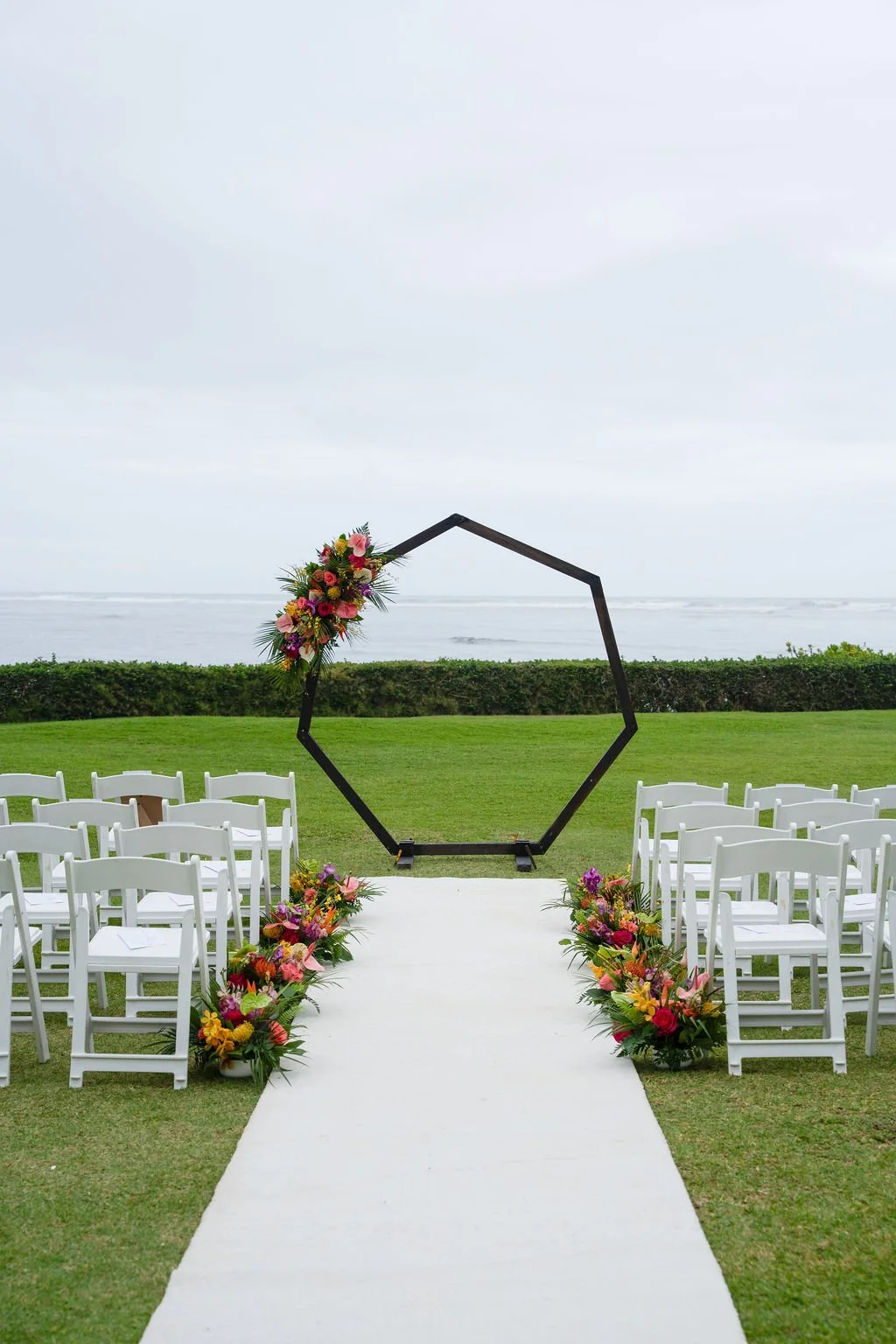
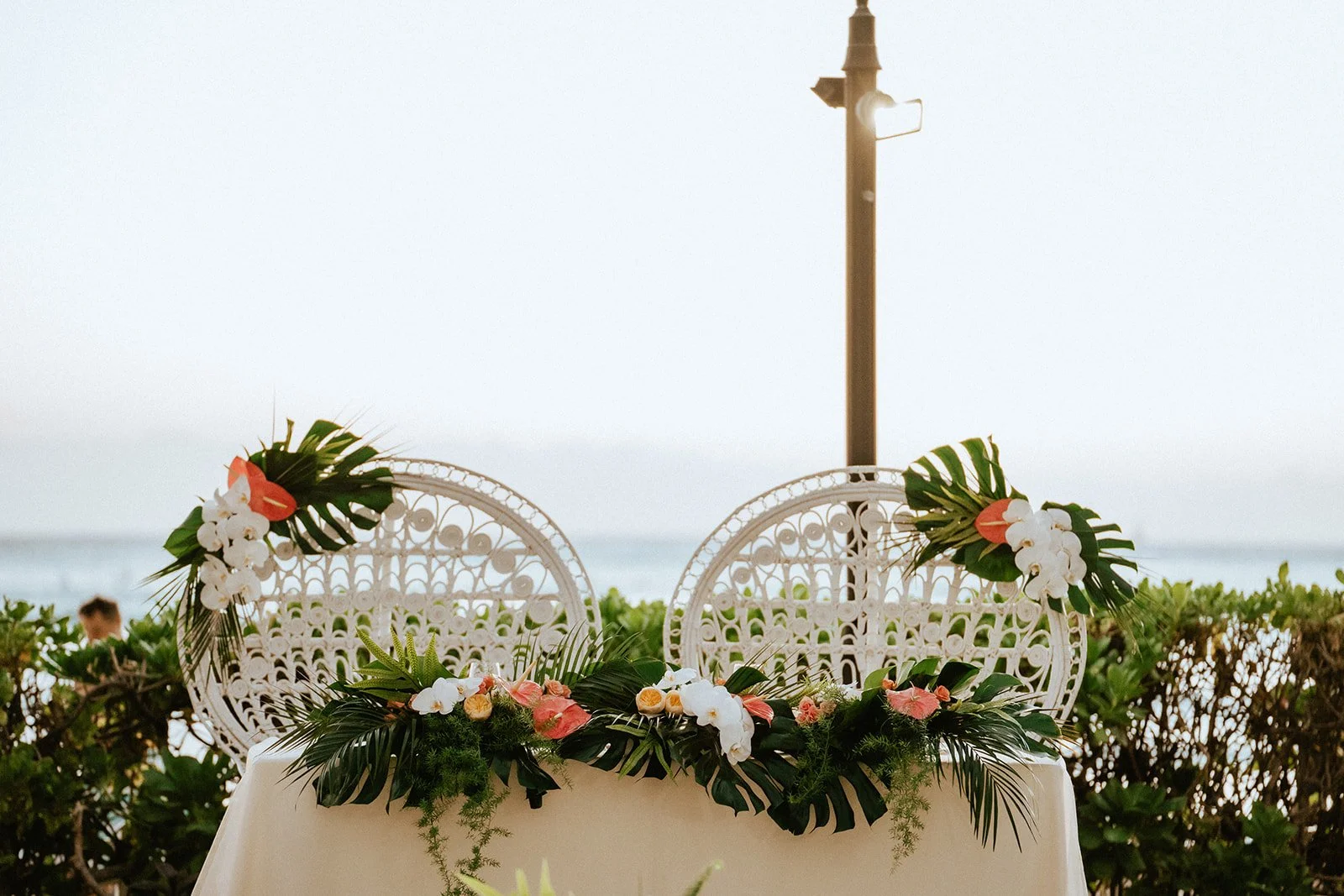
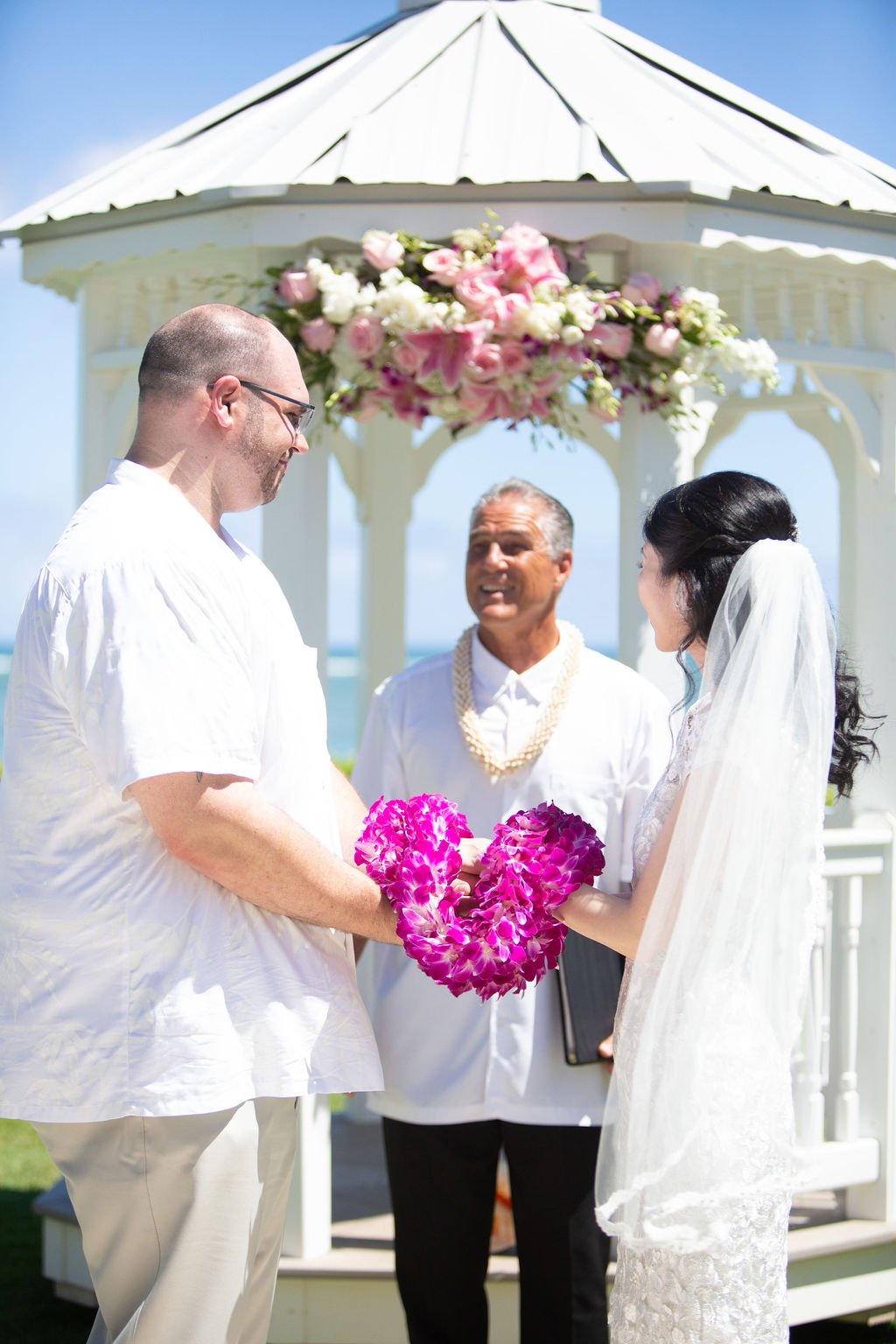
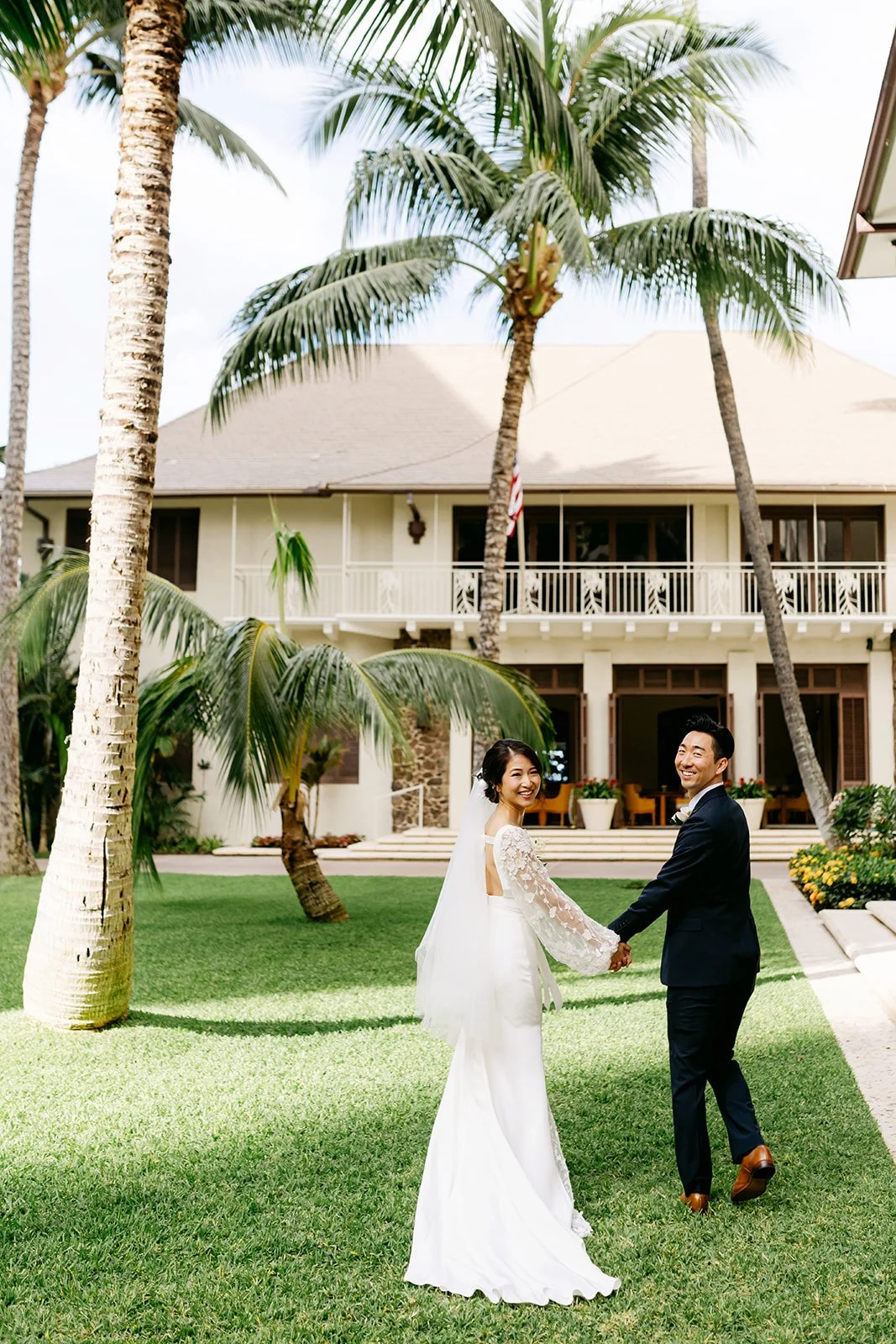
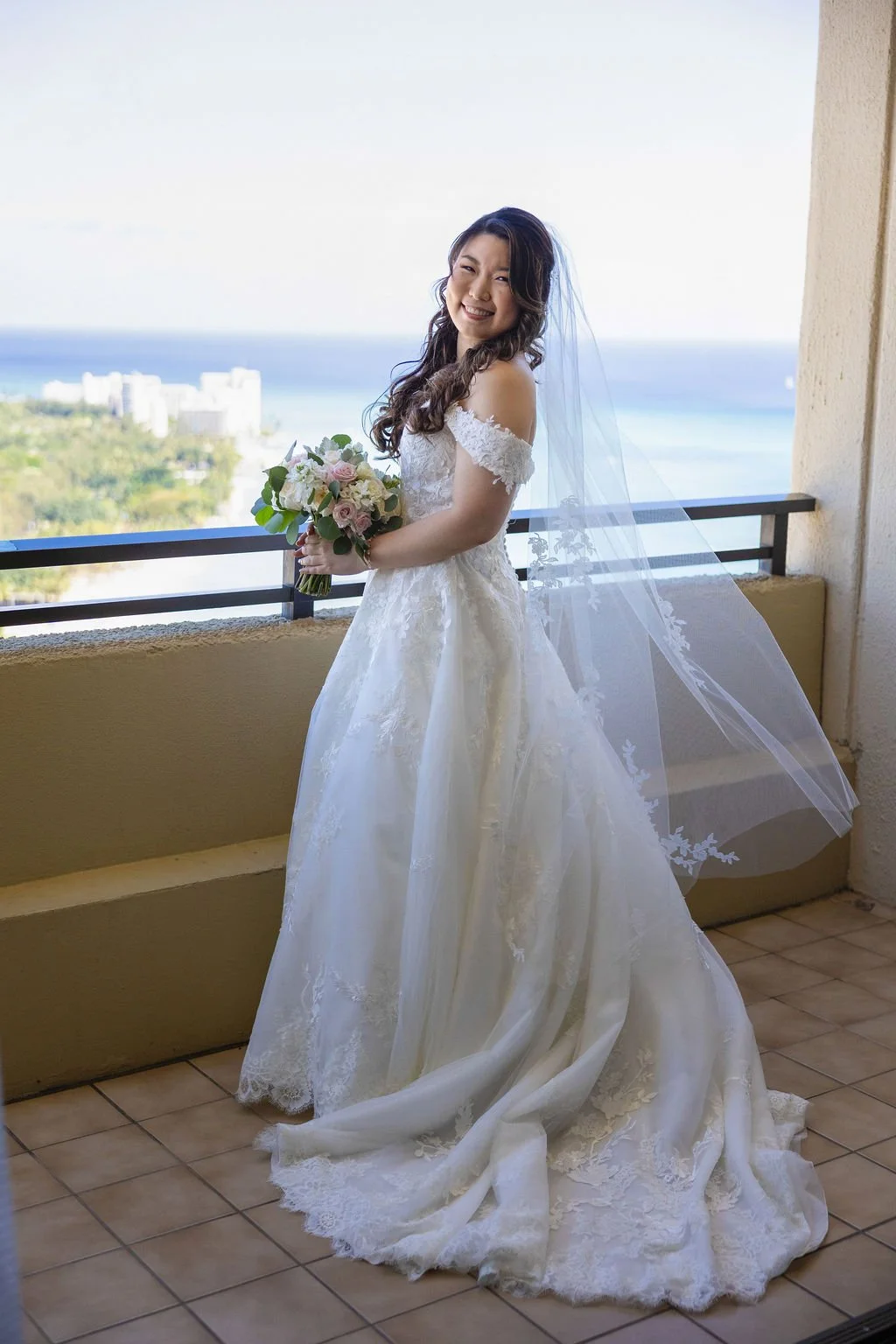
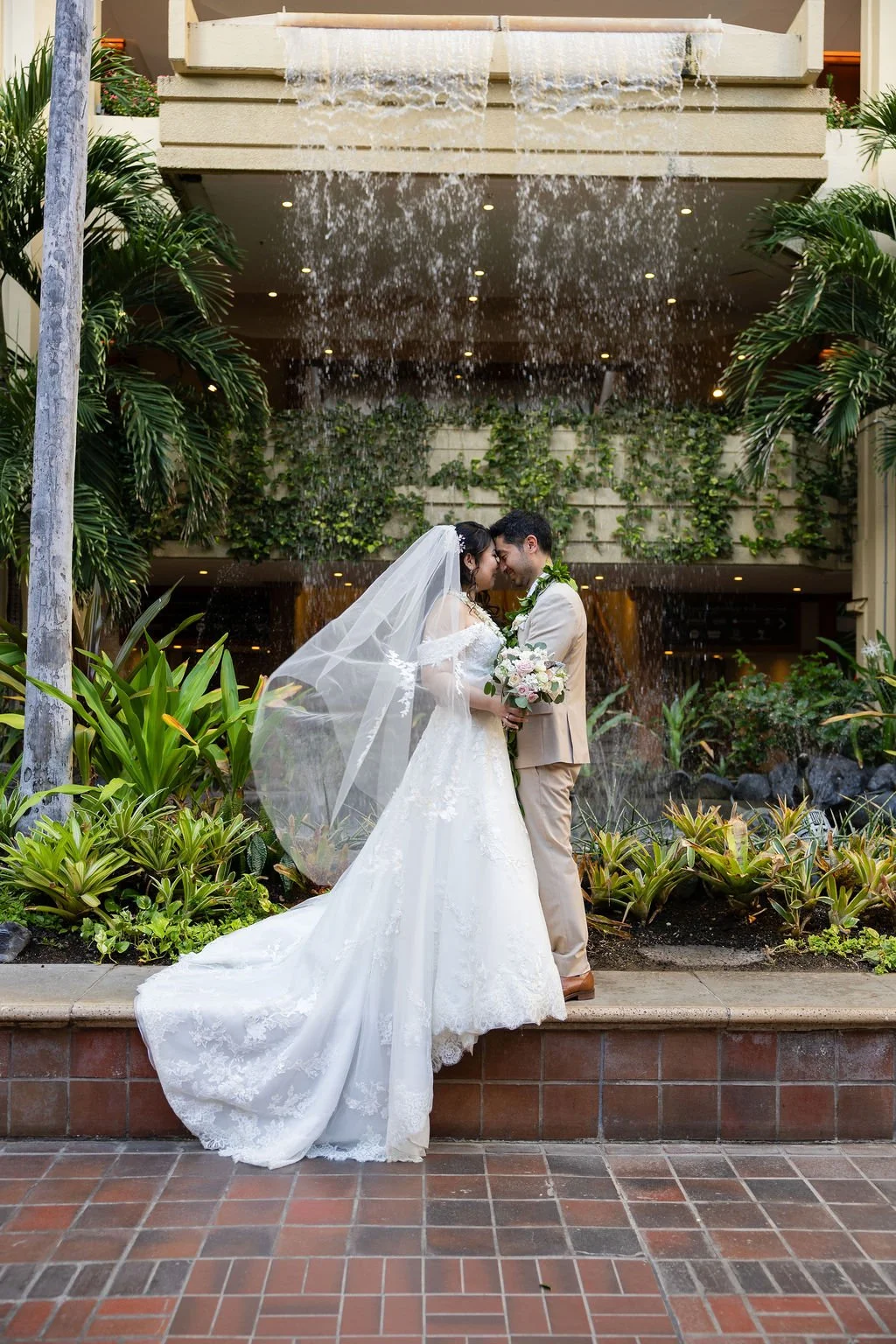
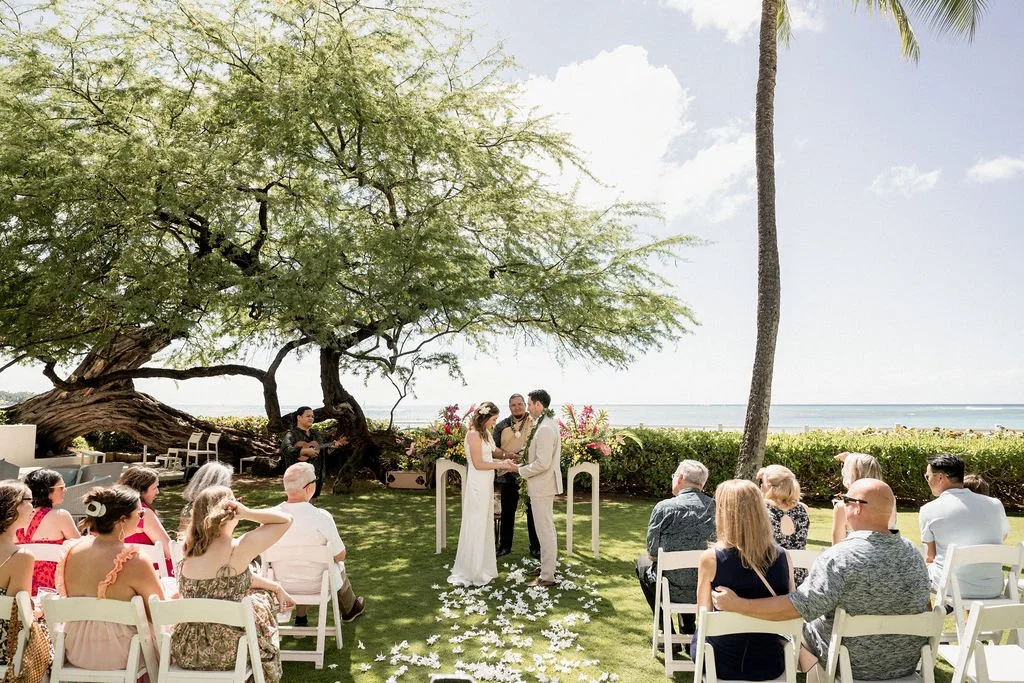
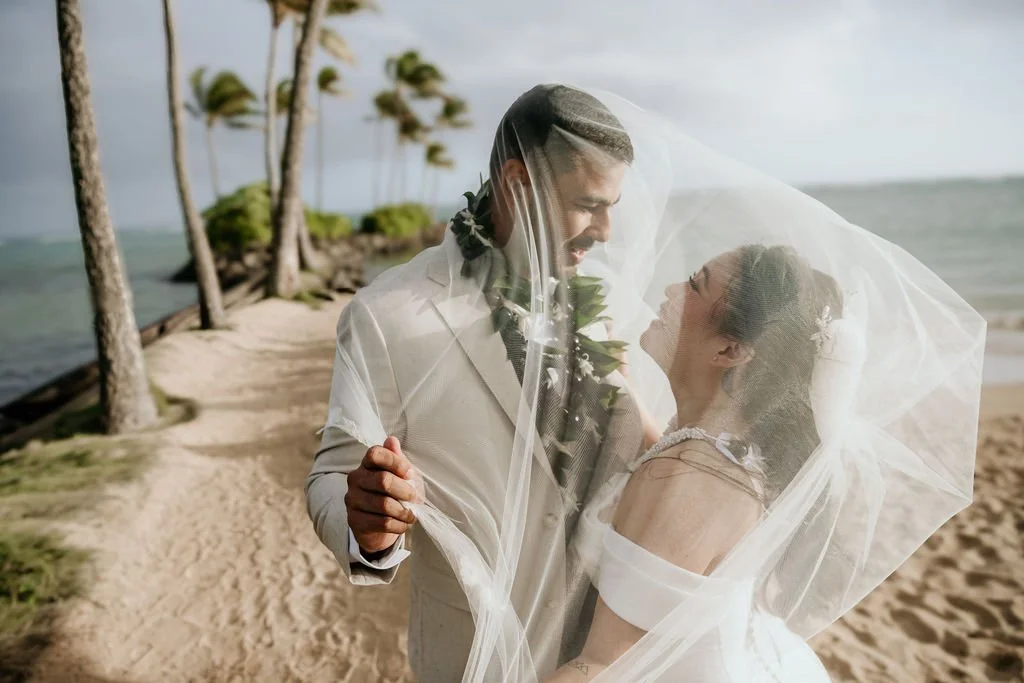
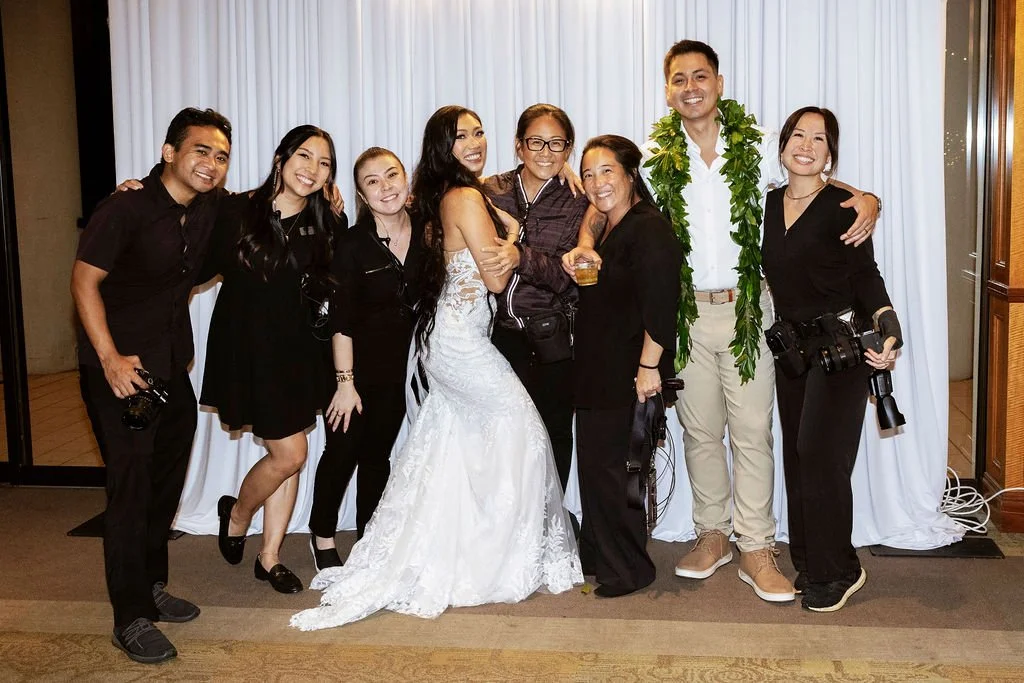
Photography: Michele C Photo
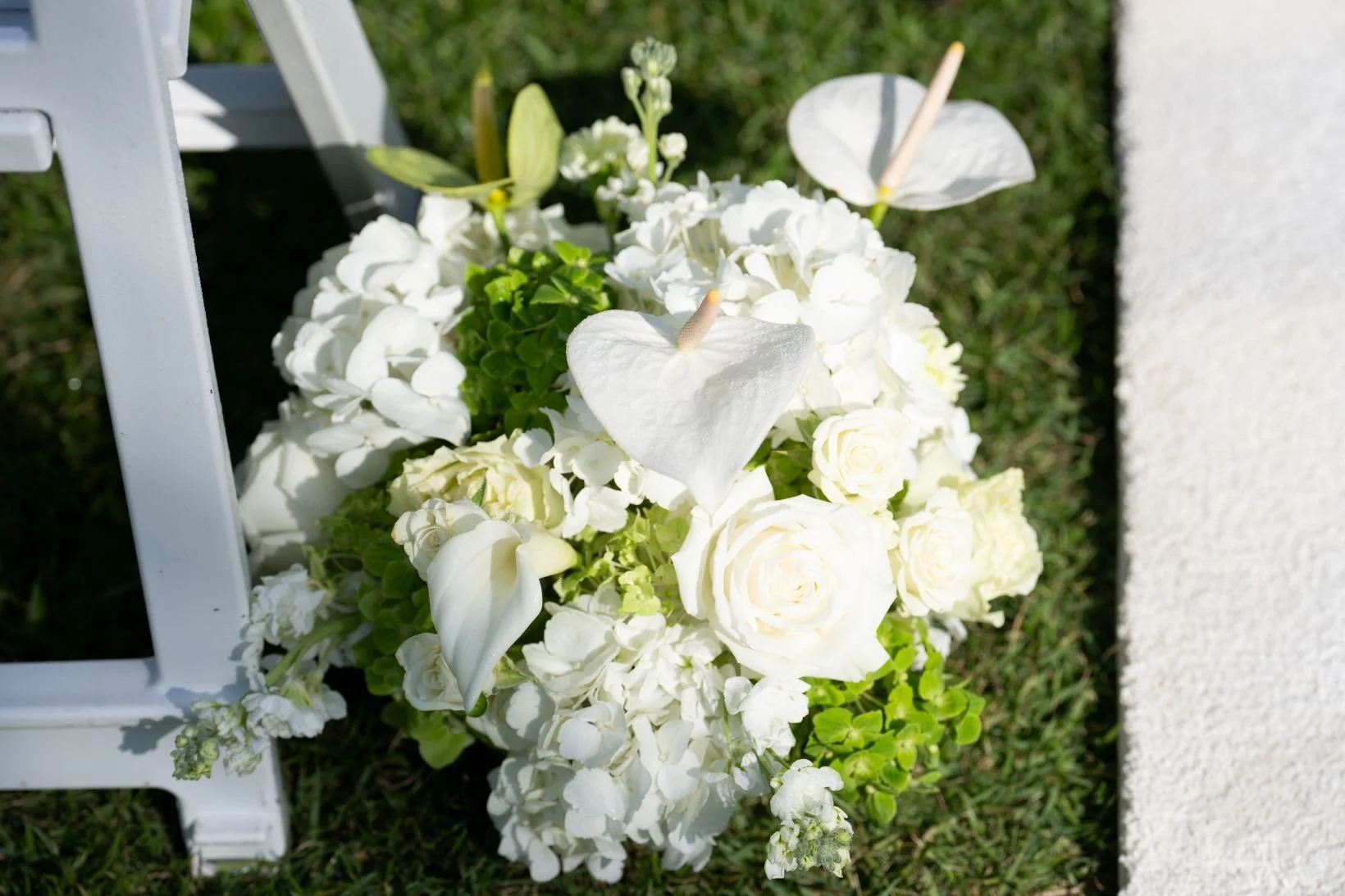
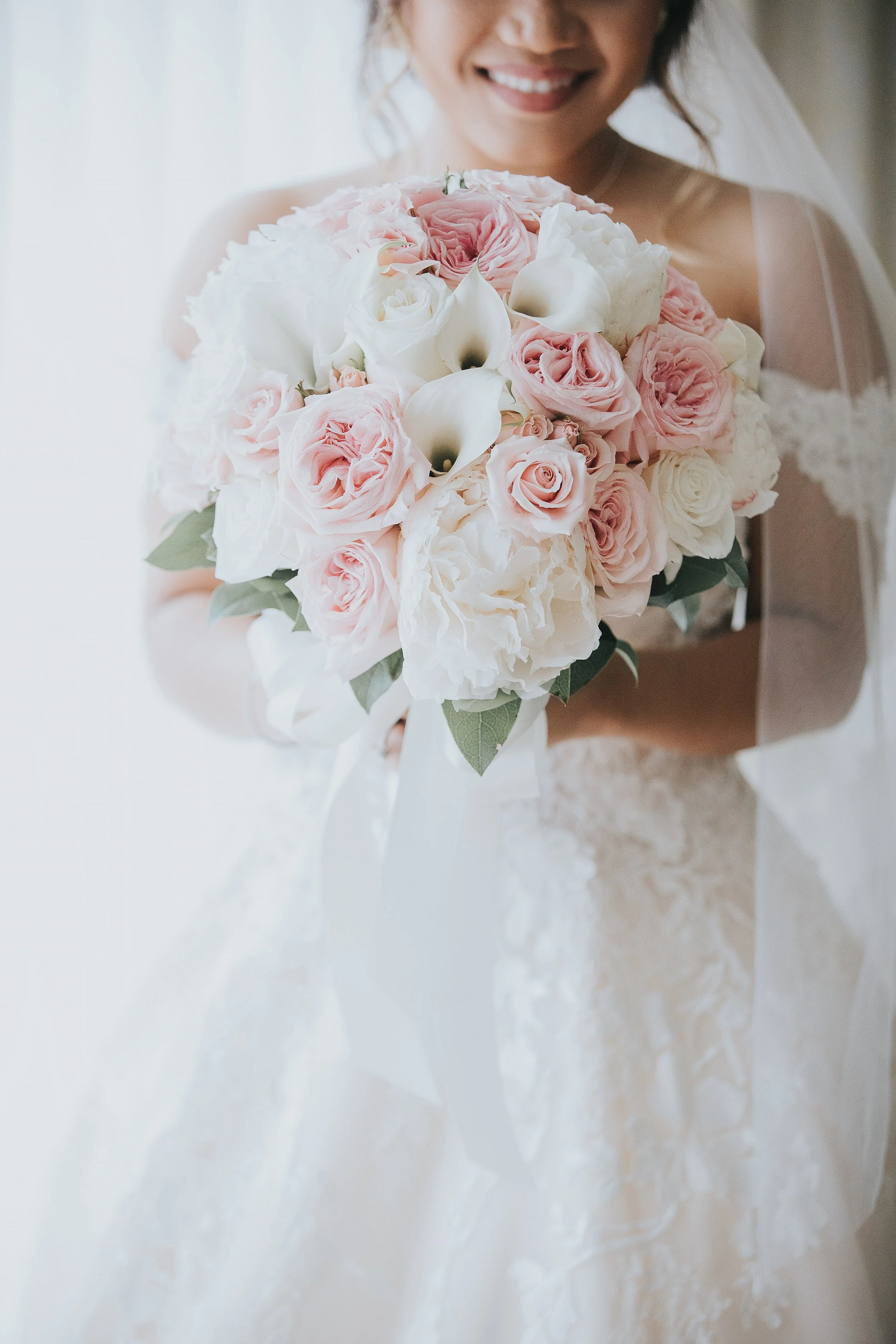
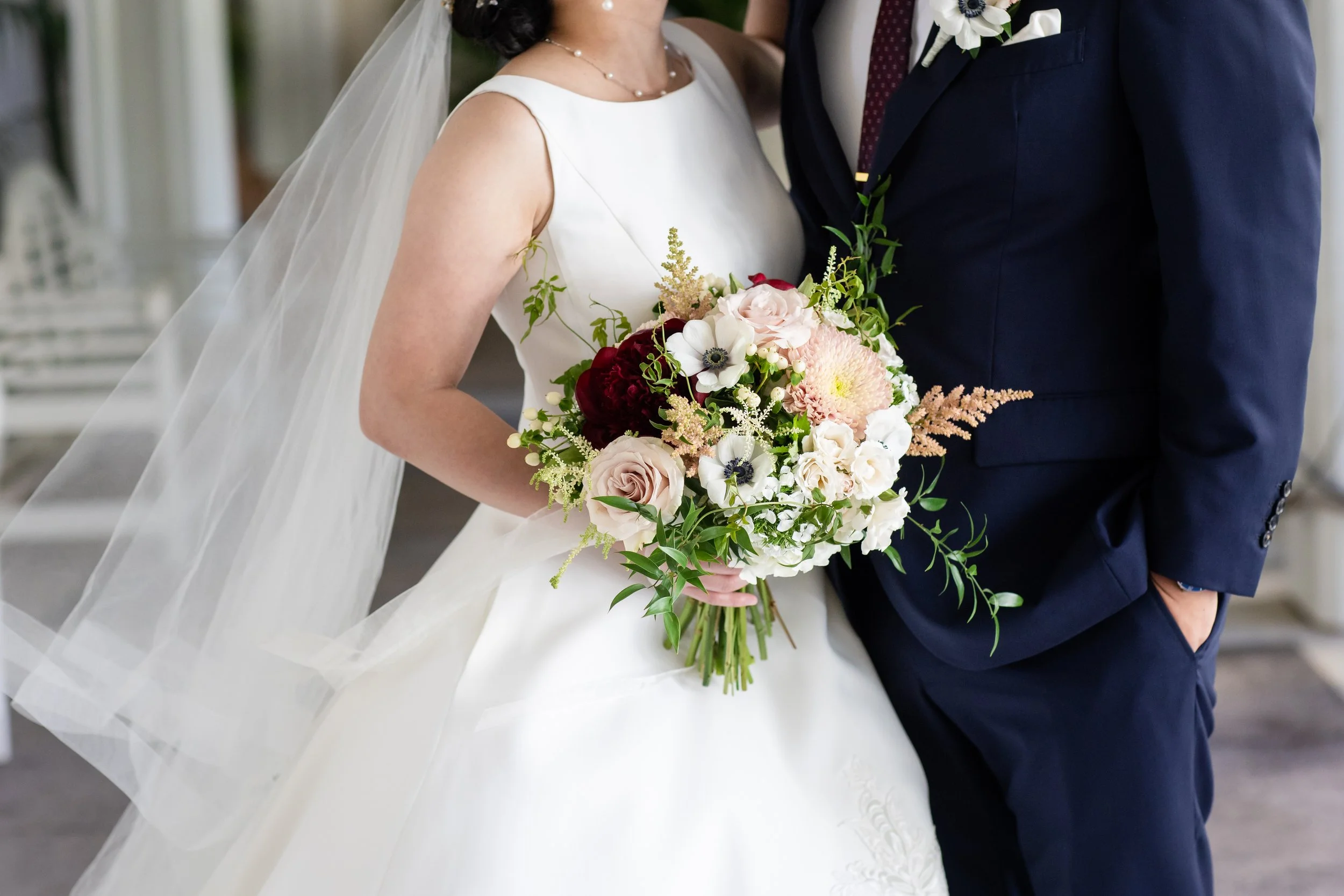
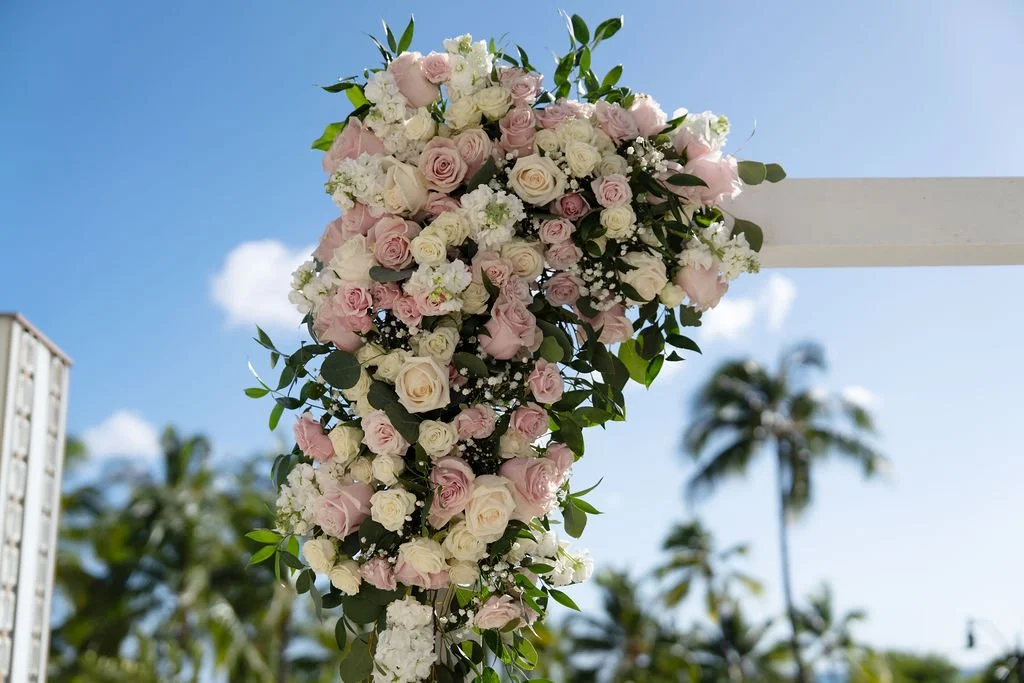
Let the Florals Set the Mood
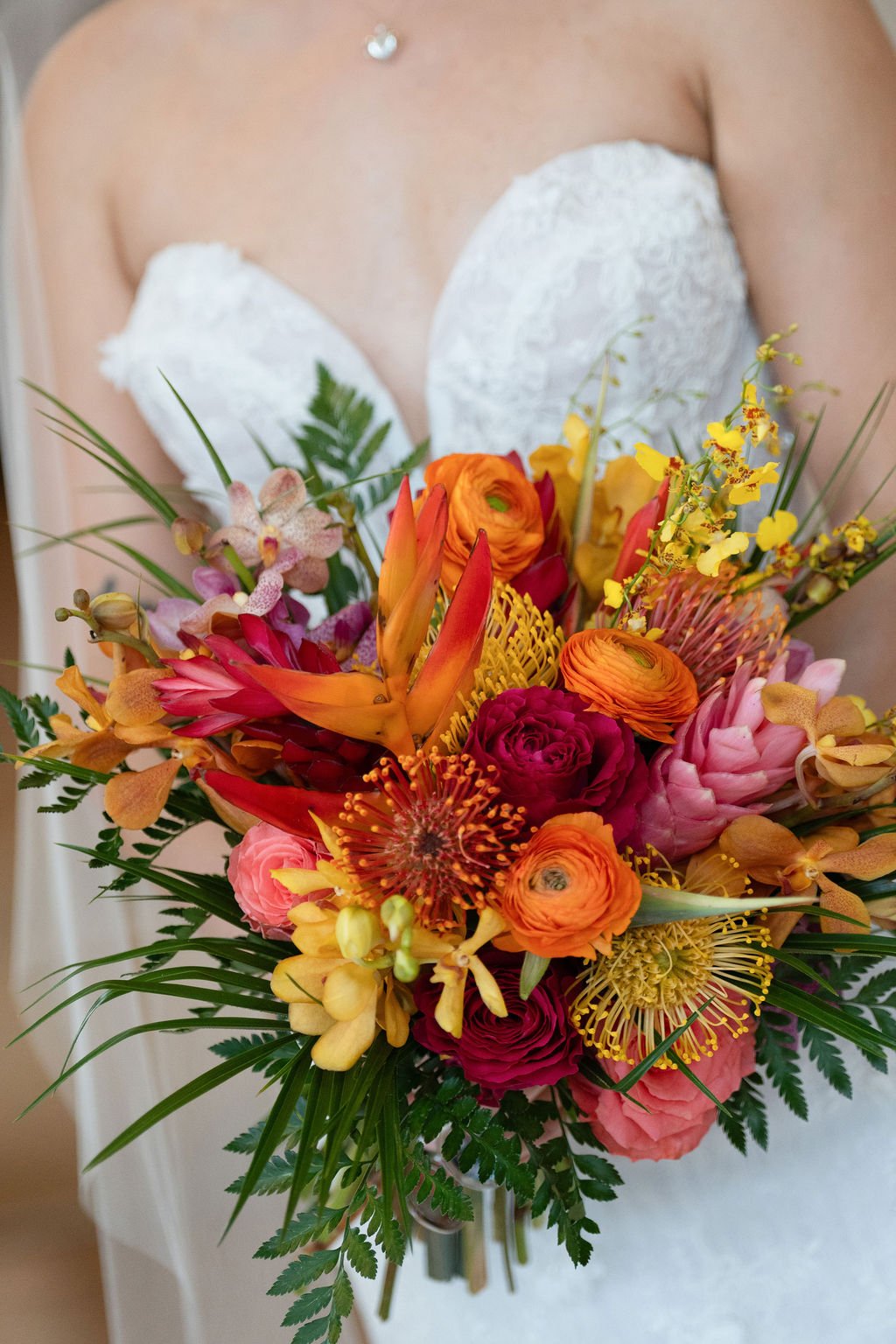
Your flowers are an easy way to incorporate a Halloween-inspired aesthetic without going overboard.
Think deep-colored blooms, tropical greenery, dried elements, textured foliage, or arrangements featuring rich seasonal tones.
For a more subtle approach, keep your florals primarily neutral and use darker flowers or accents sparingly throughout the ceremony and reception.
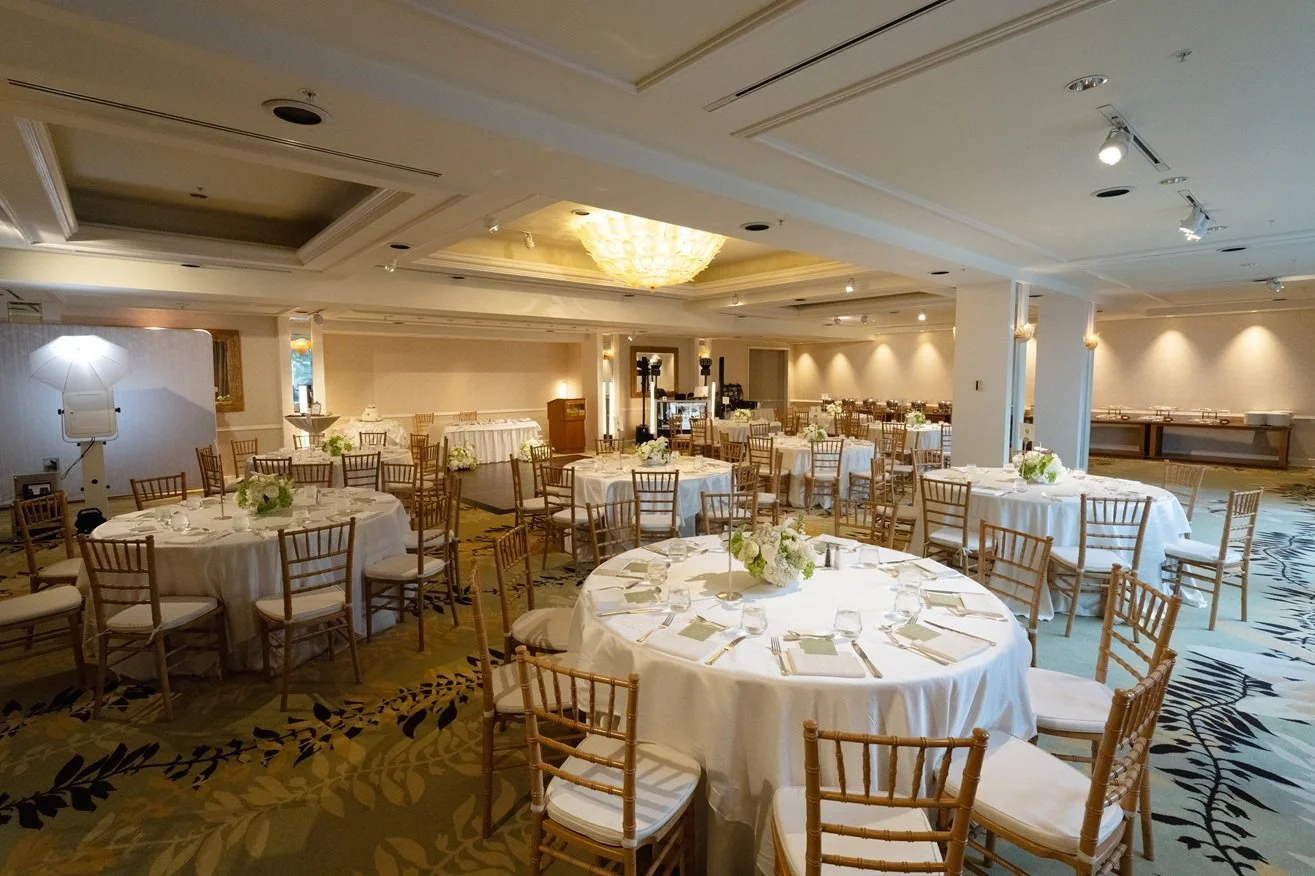
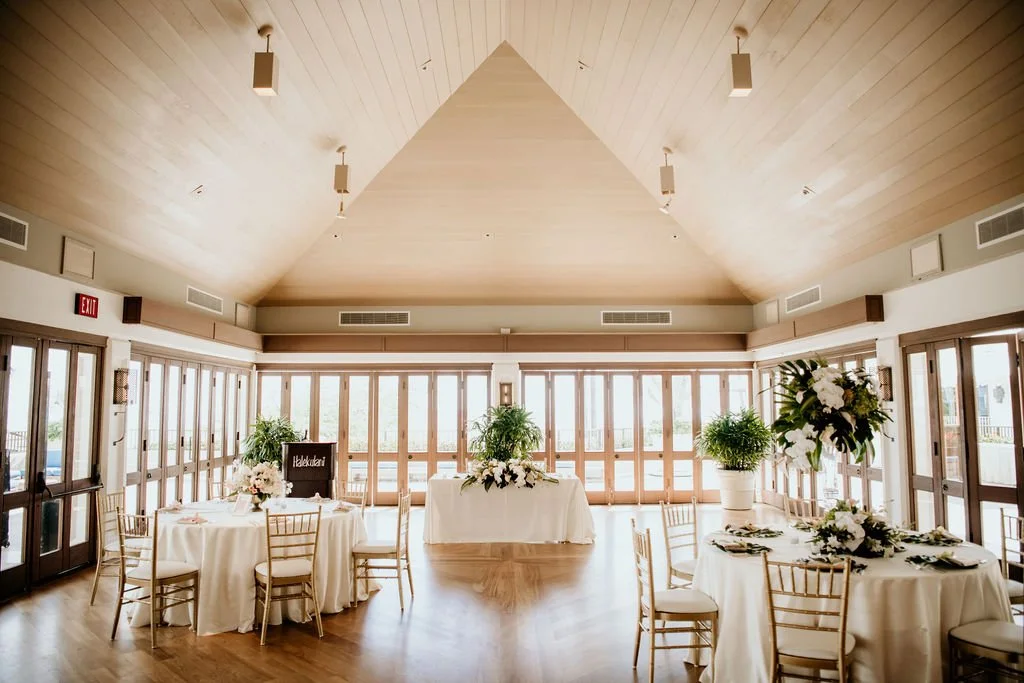
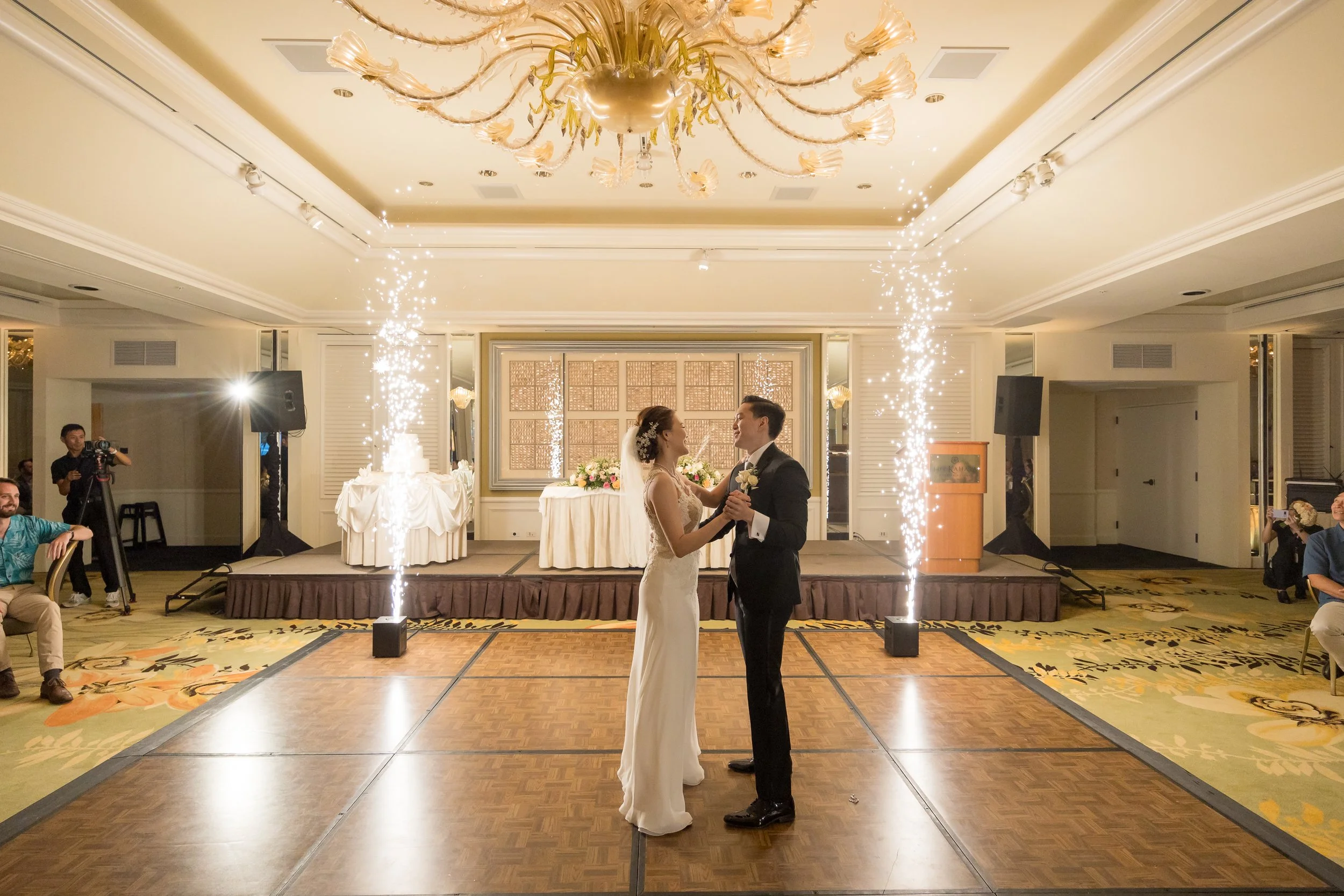
Use Candlelight & Ambient Lighting
Lighting can completely transform your reception!
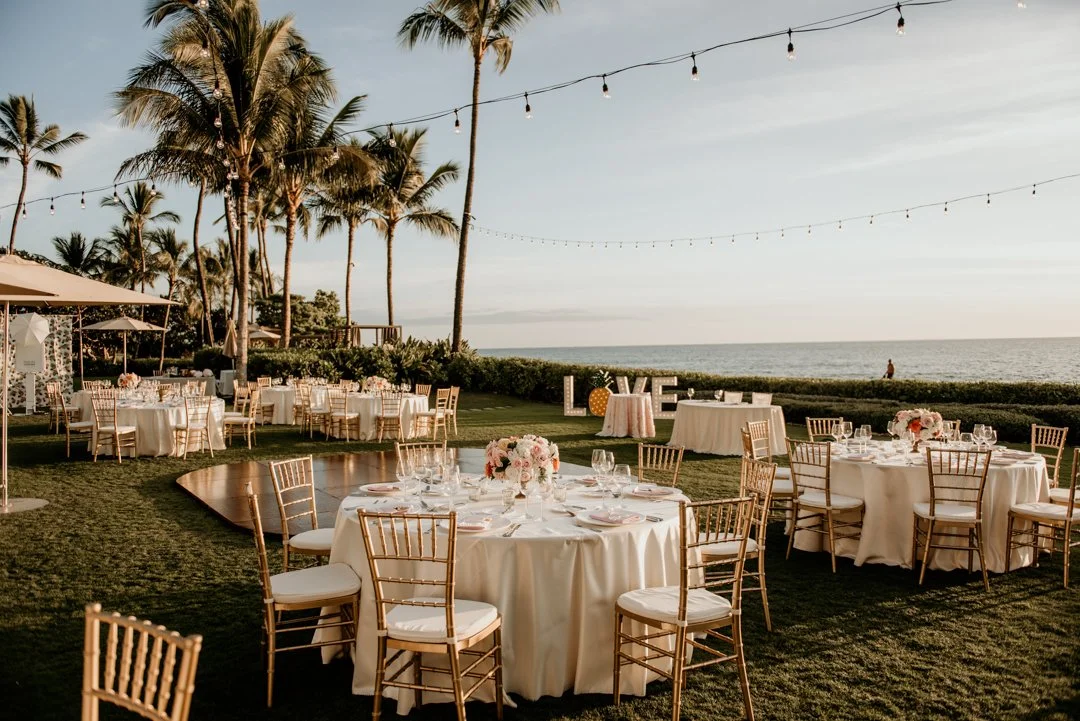
Candles, warm string lights, lanterns, and soft ambient lighting can create an intimate atmosphere as the sun goes down.
For a Halloween wedding, this is especially effective. Rather than relying on spooky decorations, let the lighting create the mood naturally!
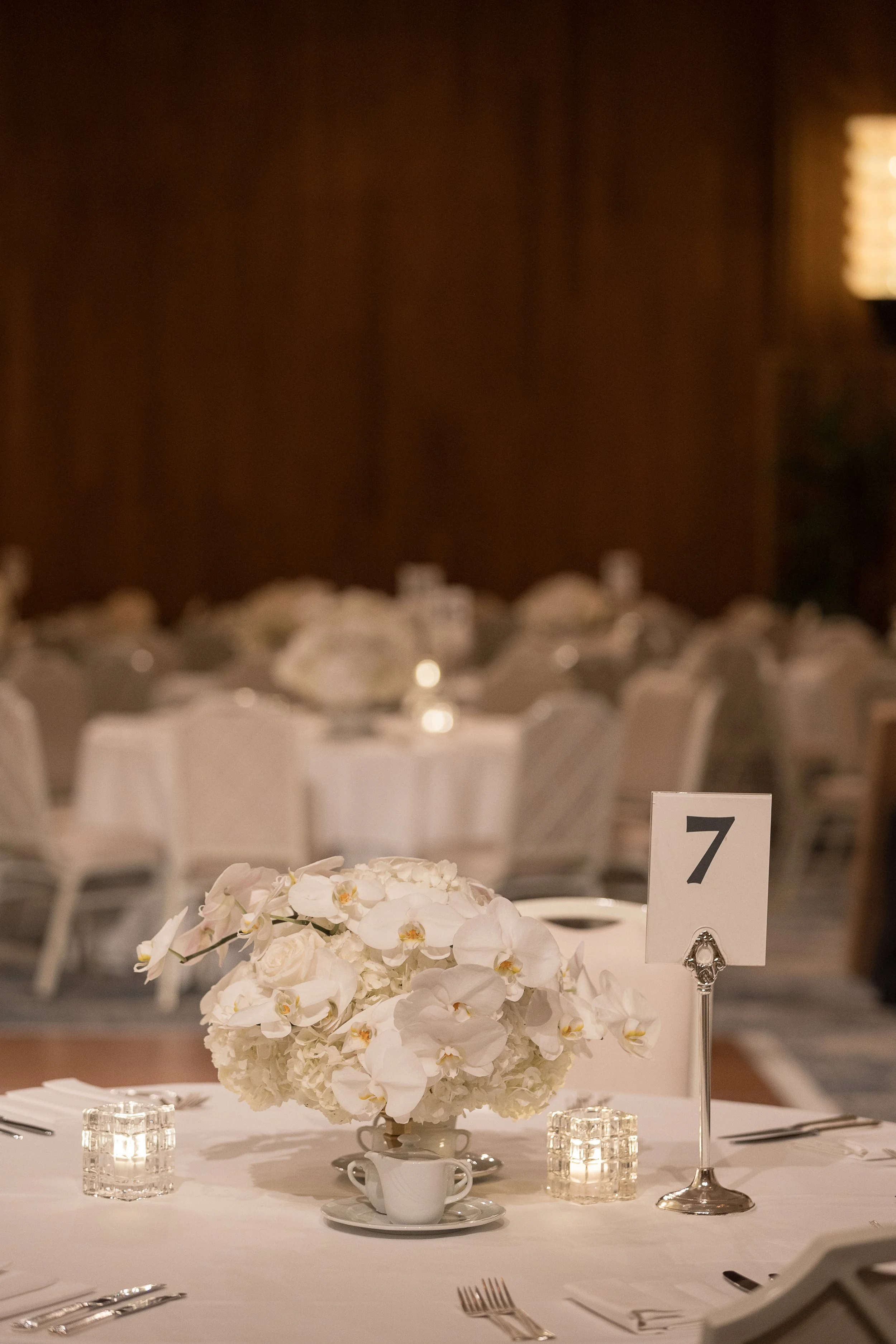
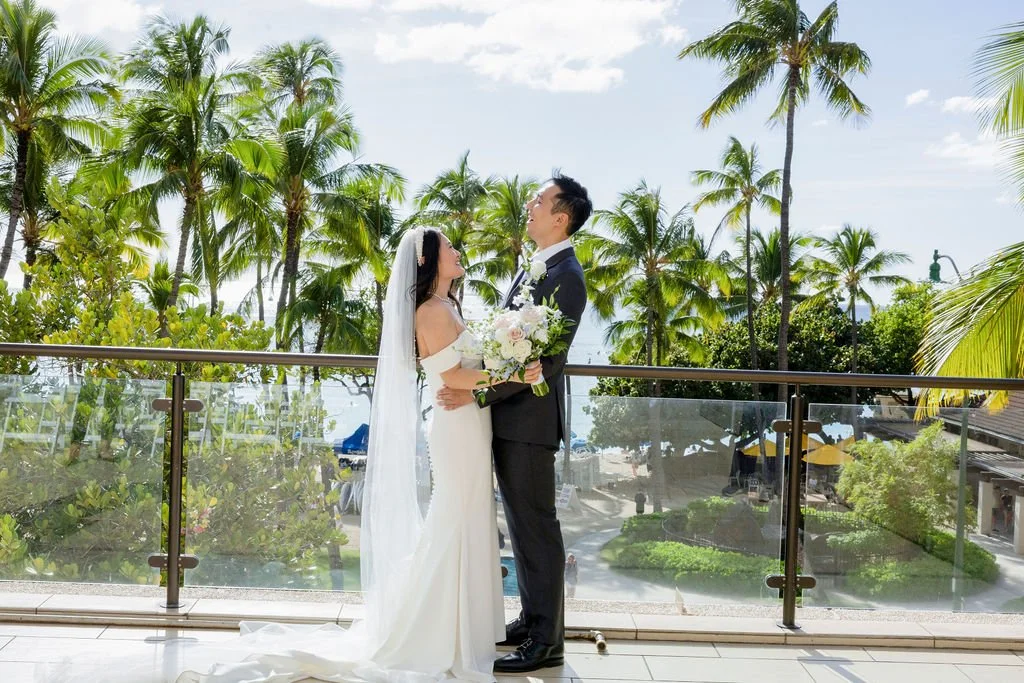
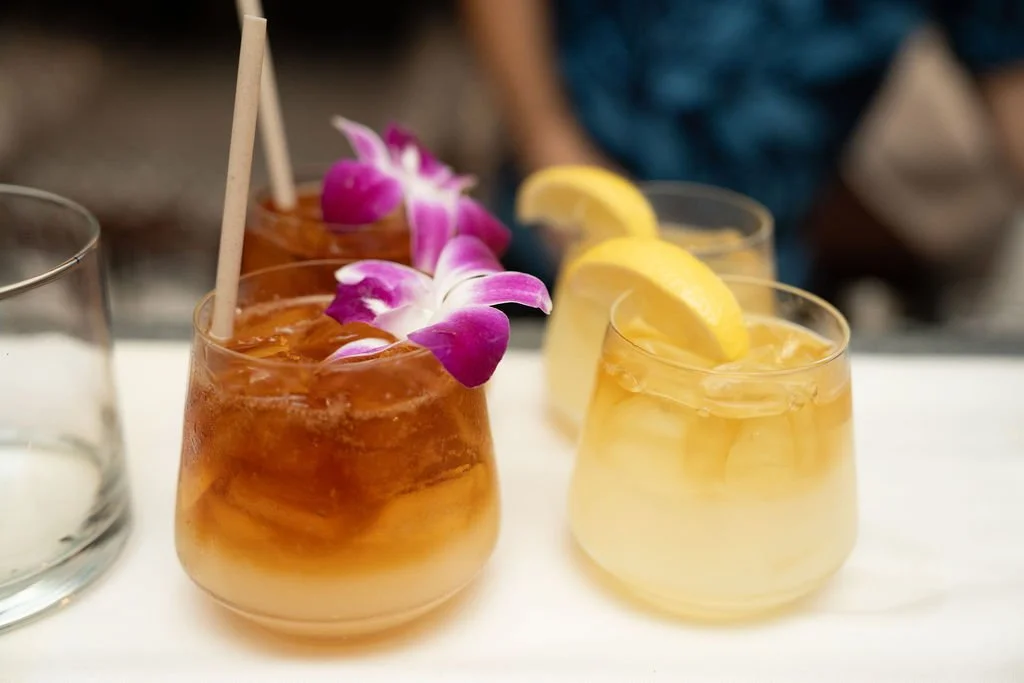
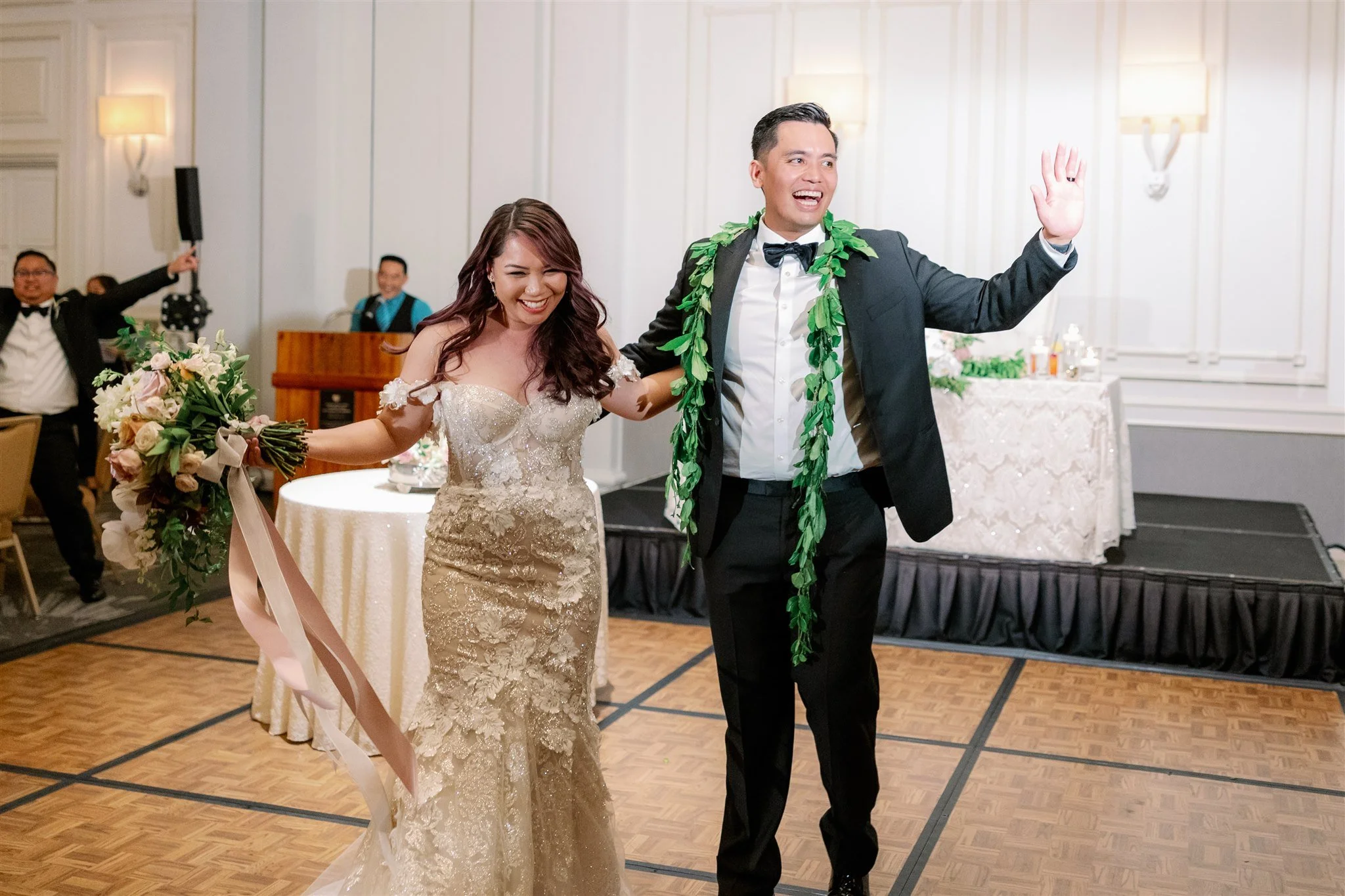
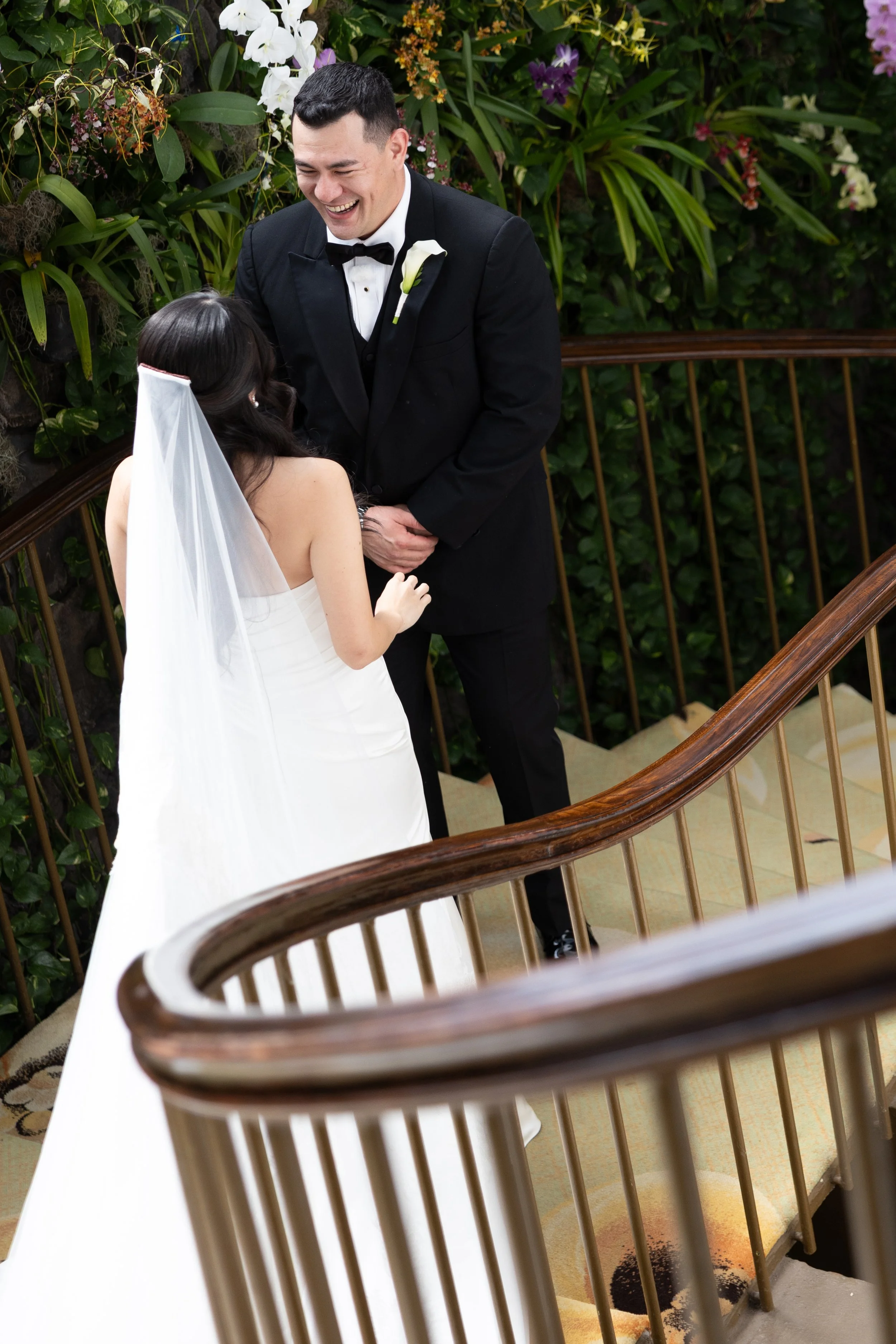
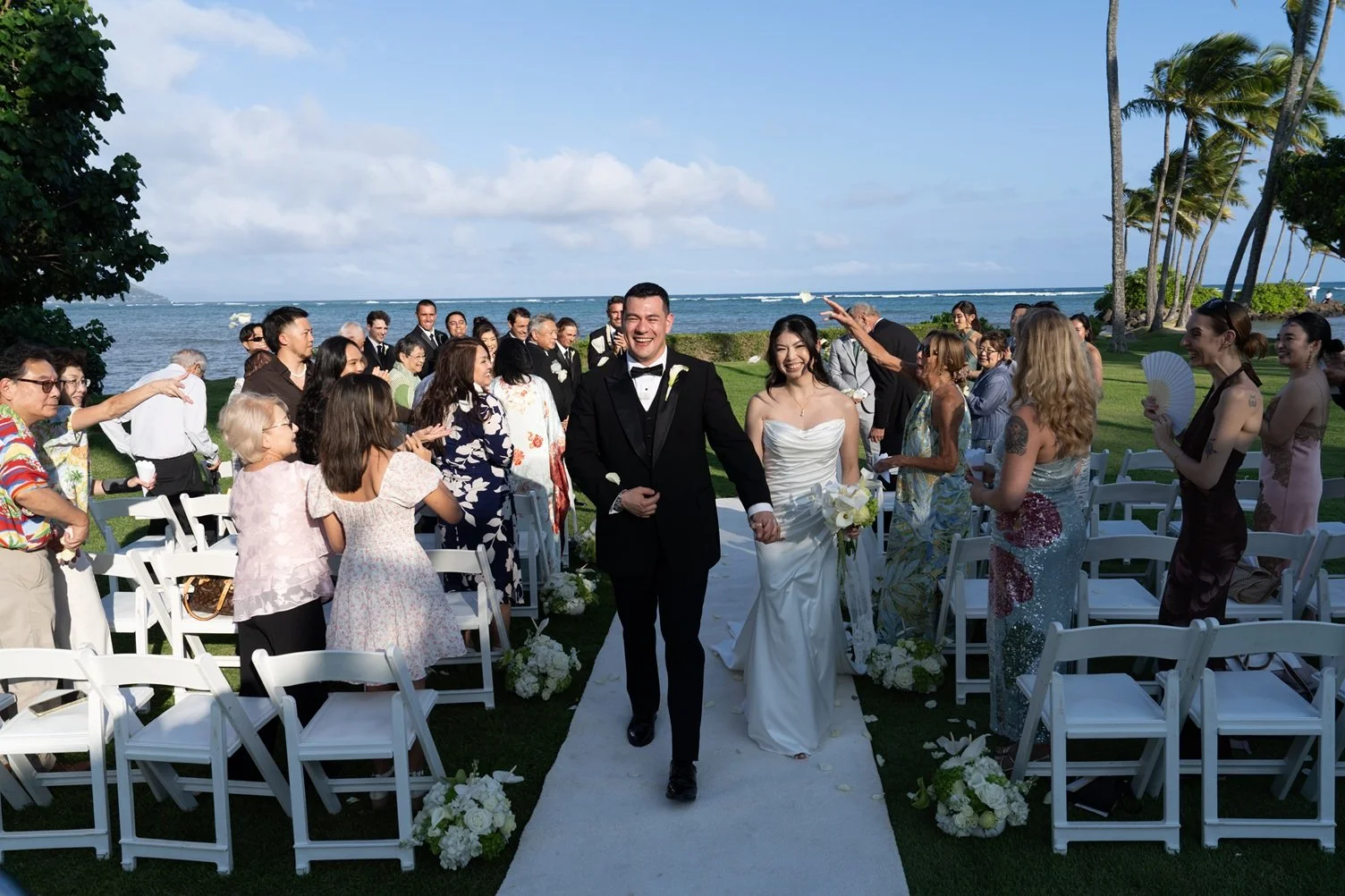
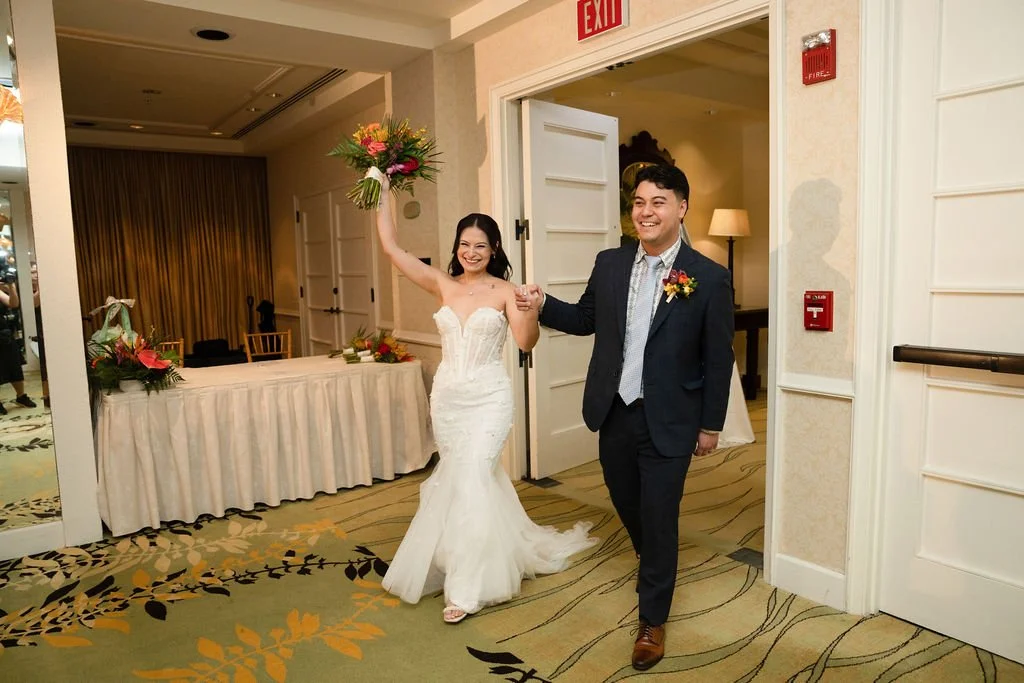
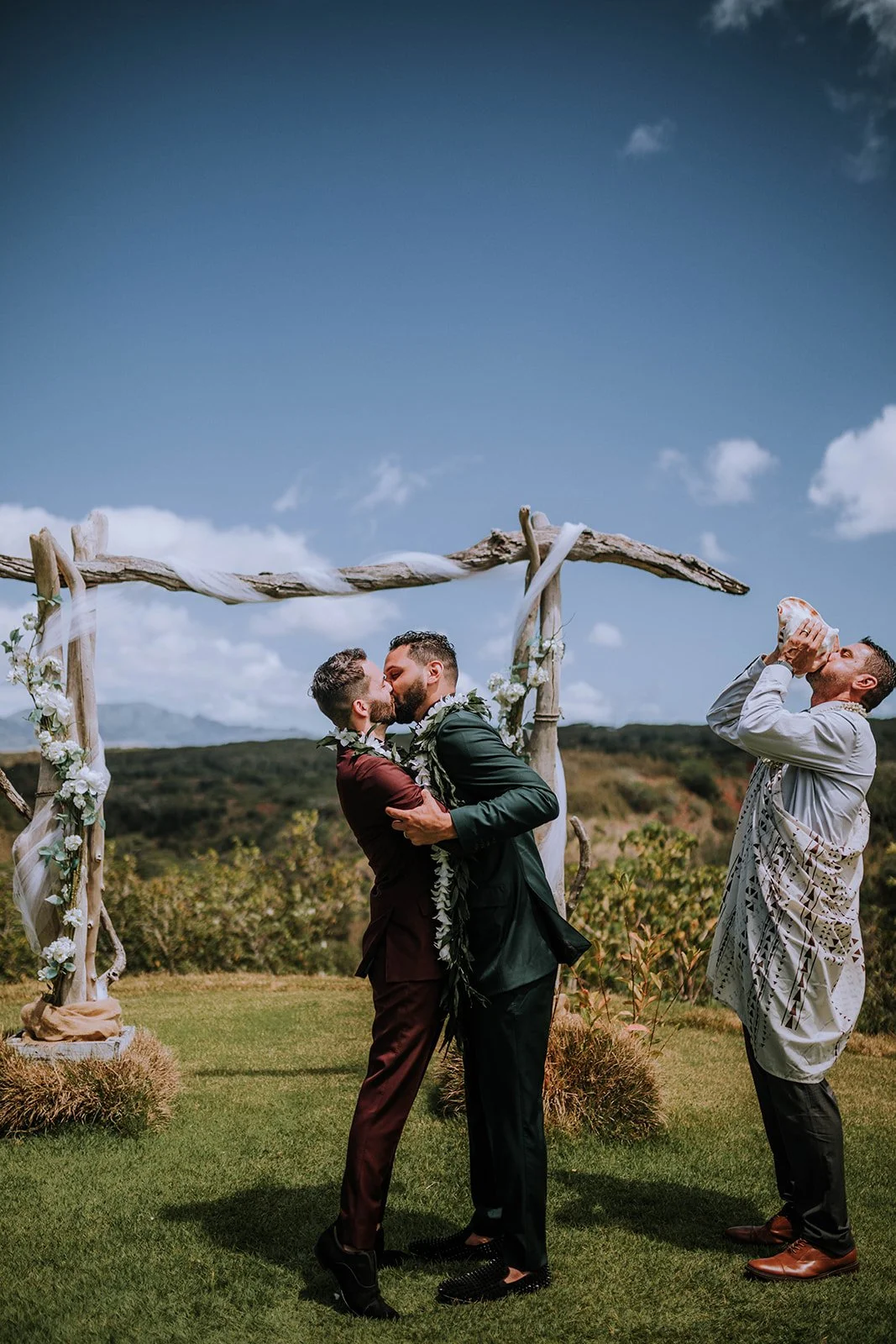
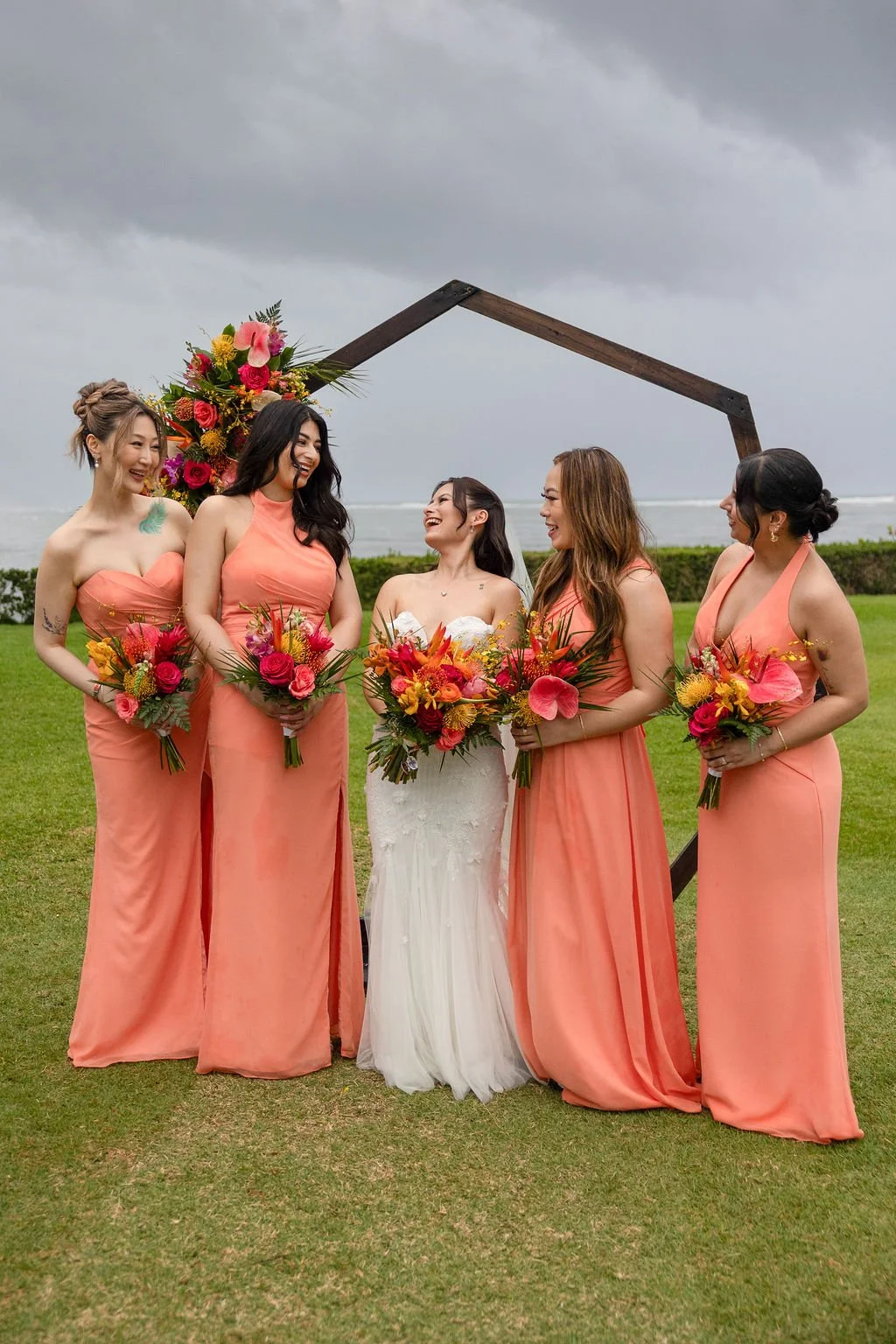
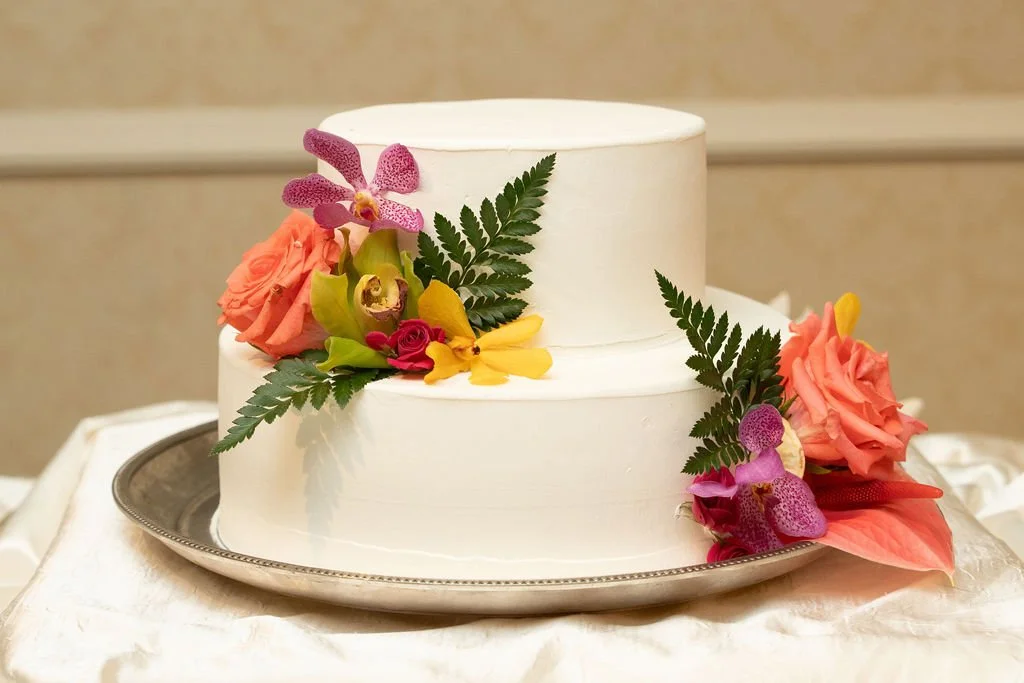
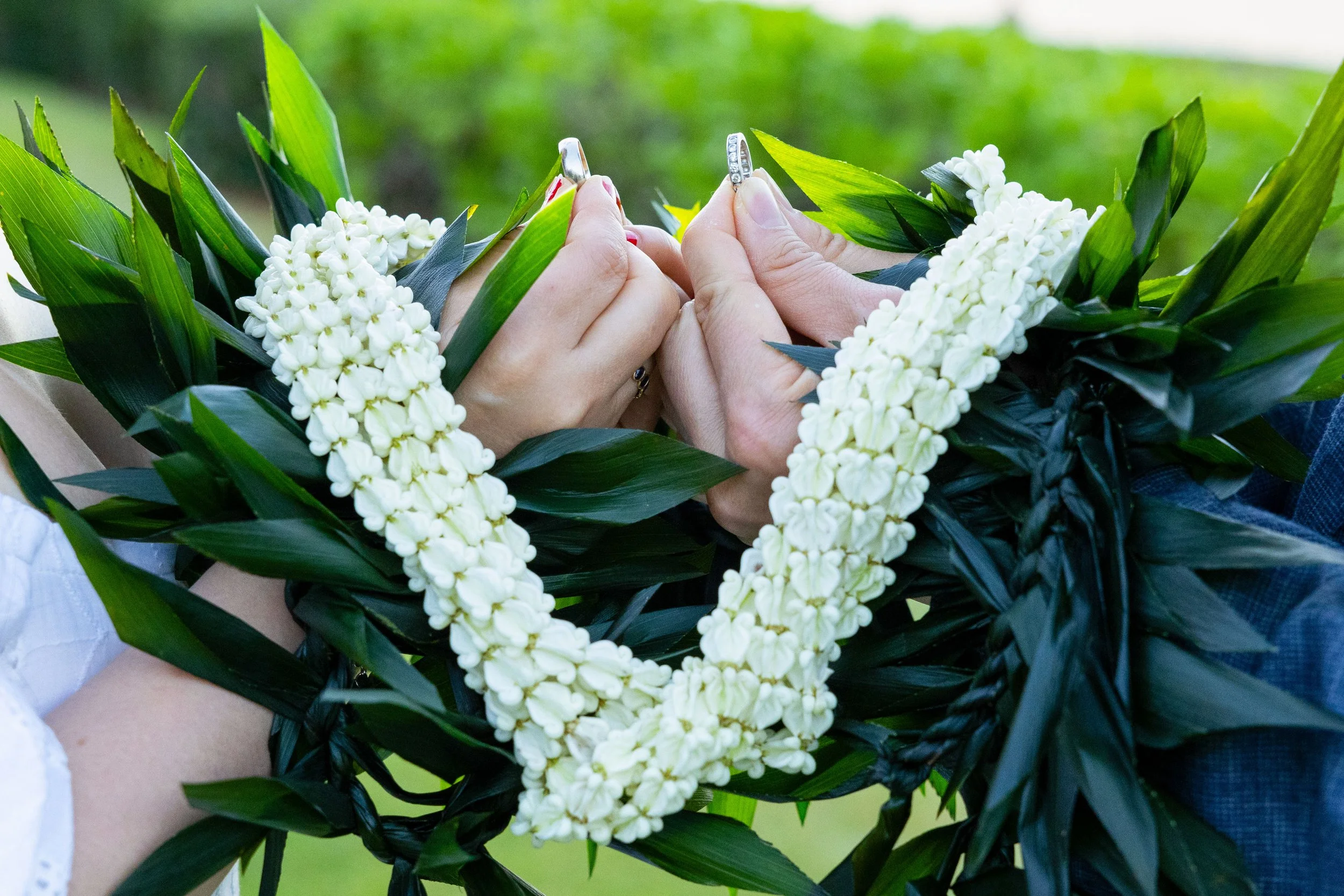
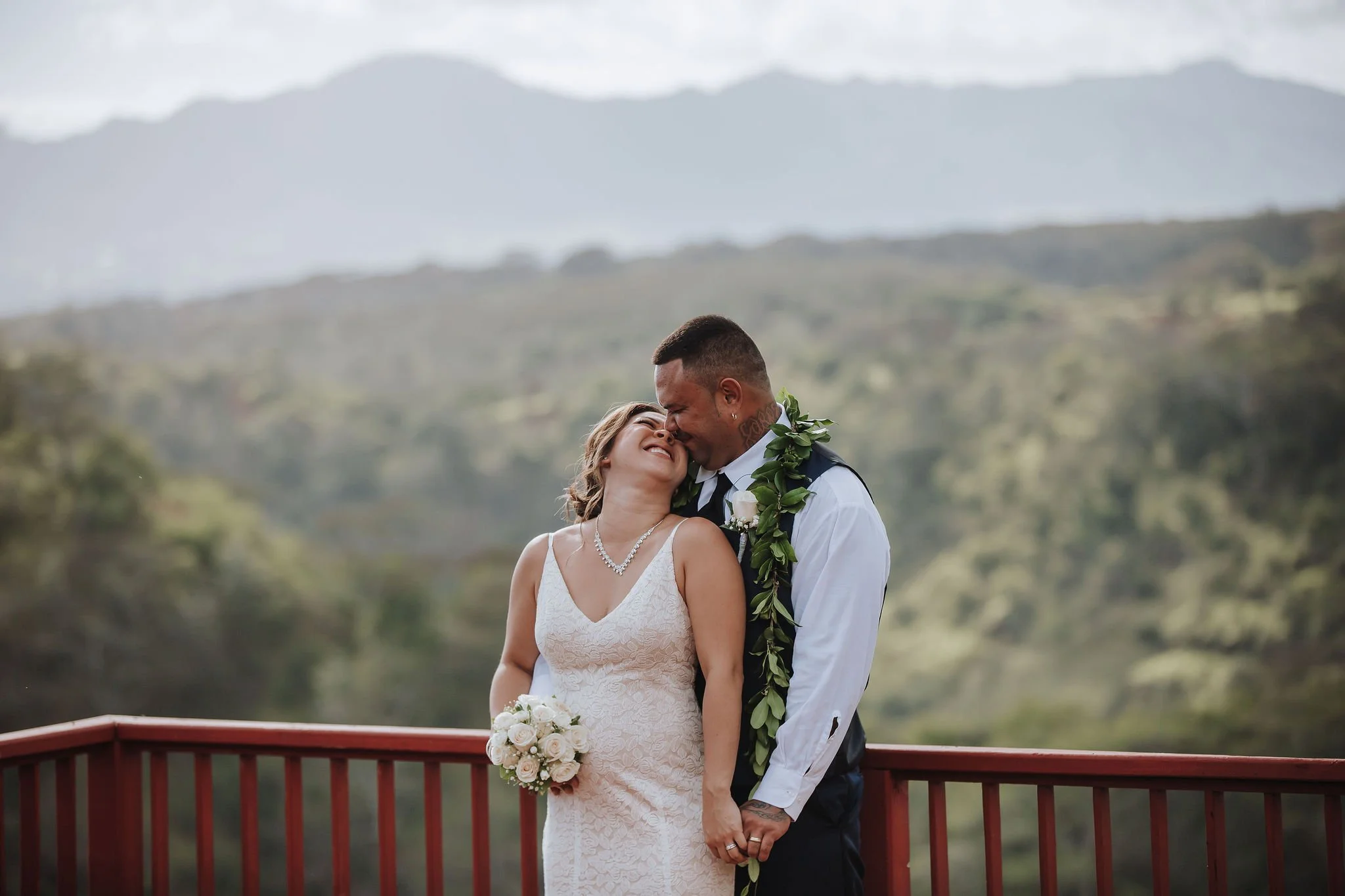
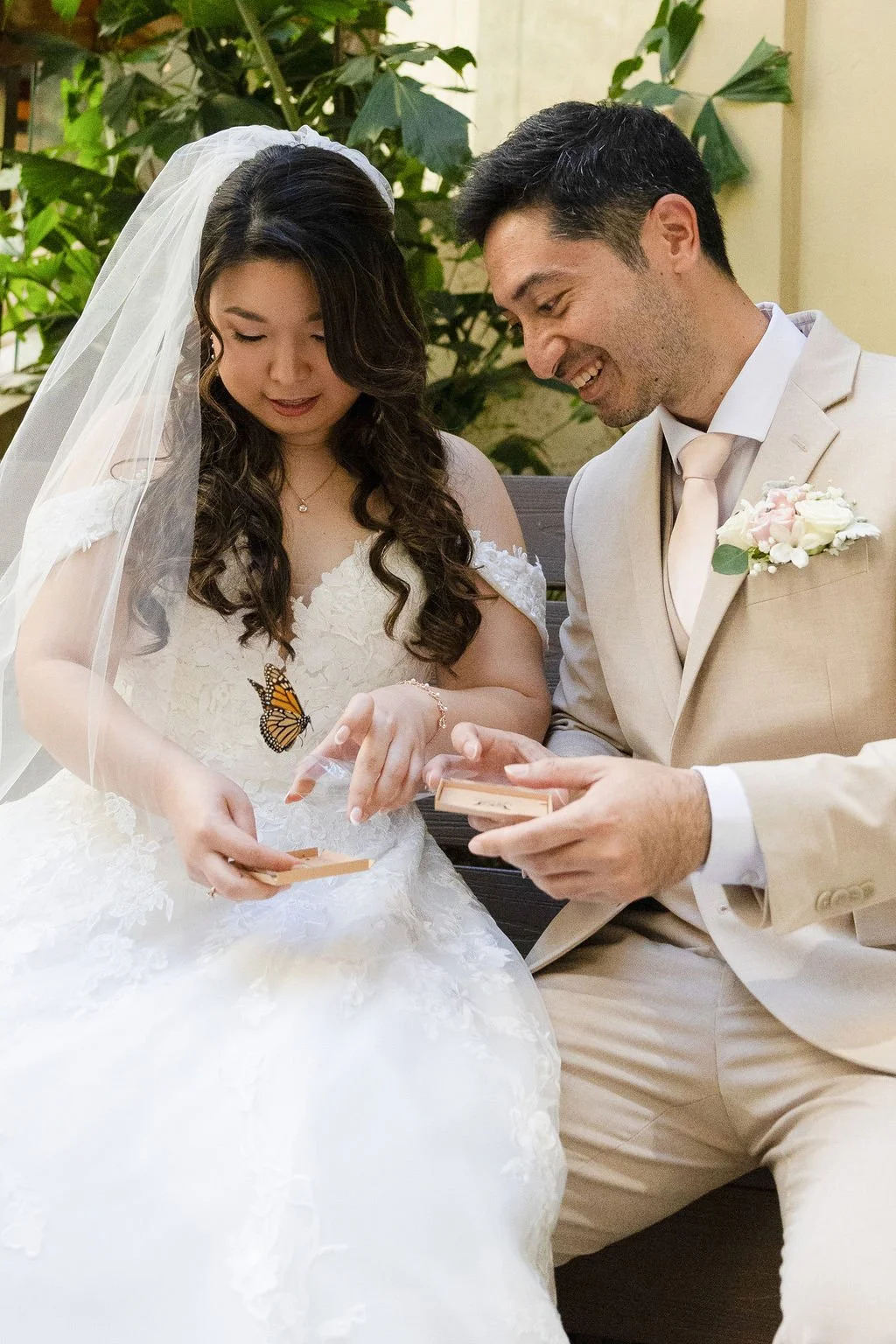
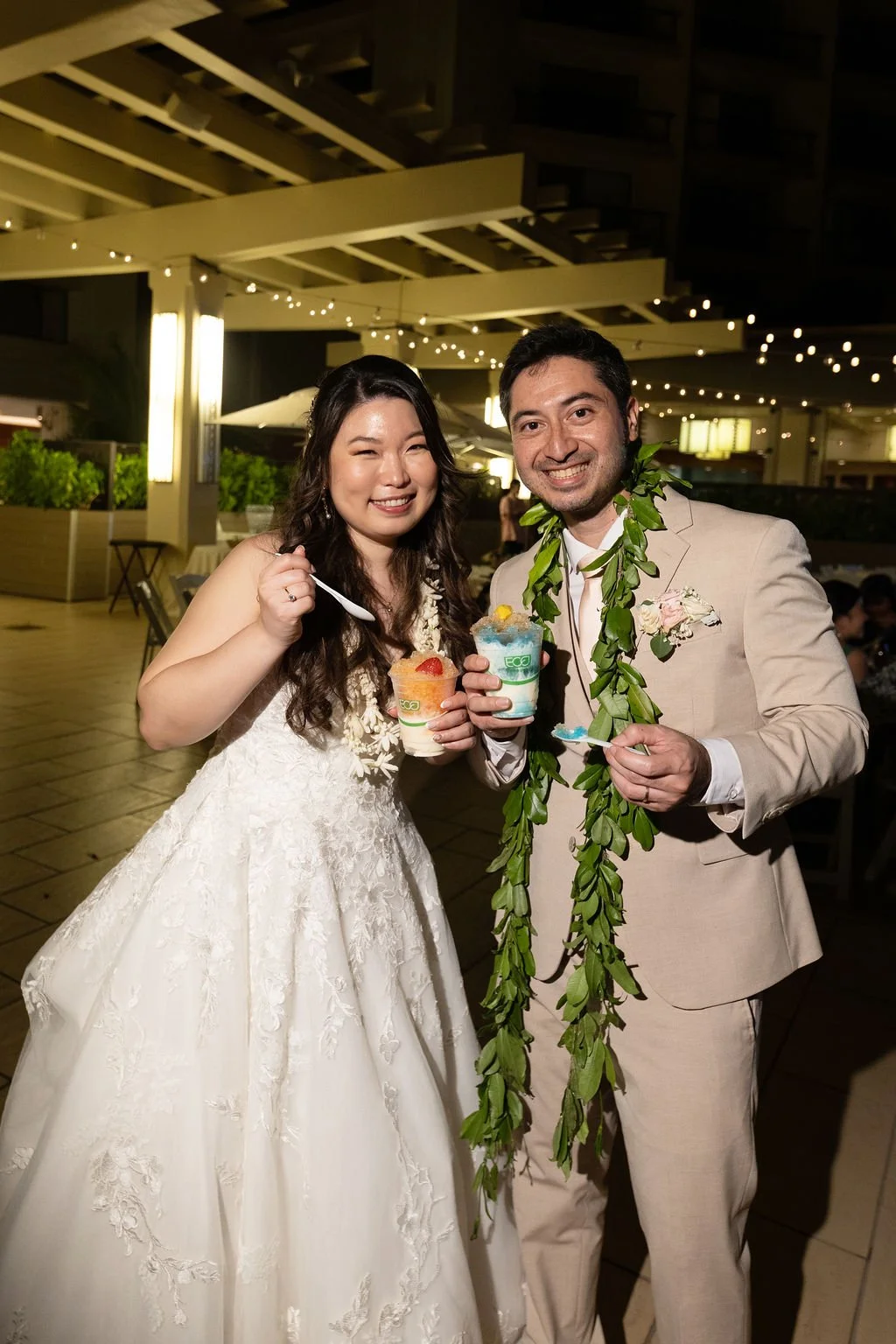
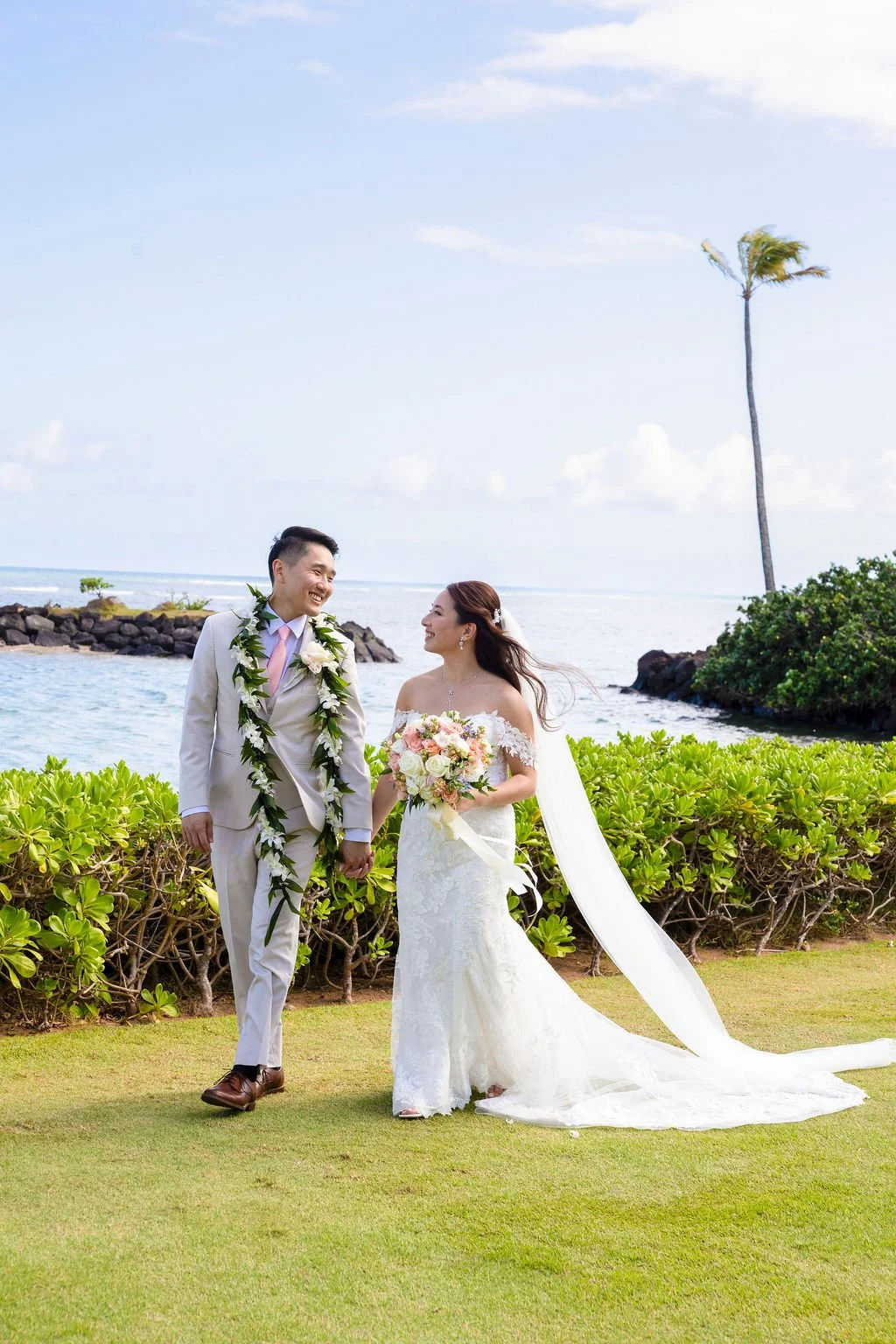
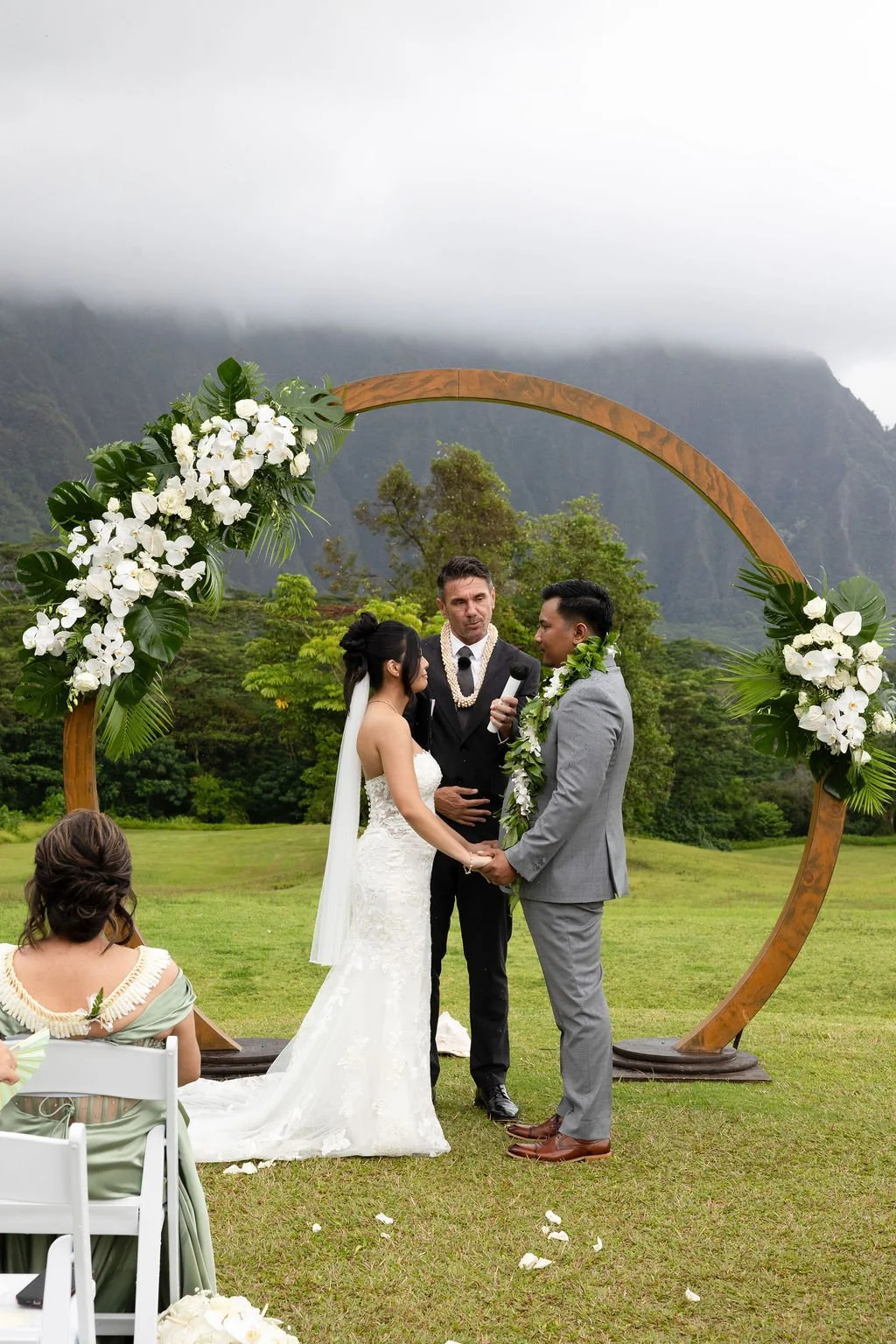
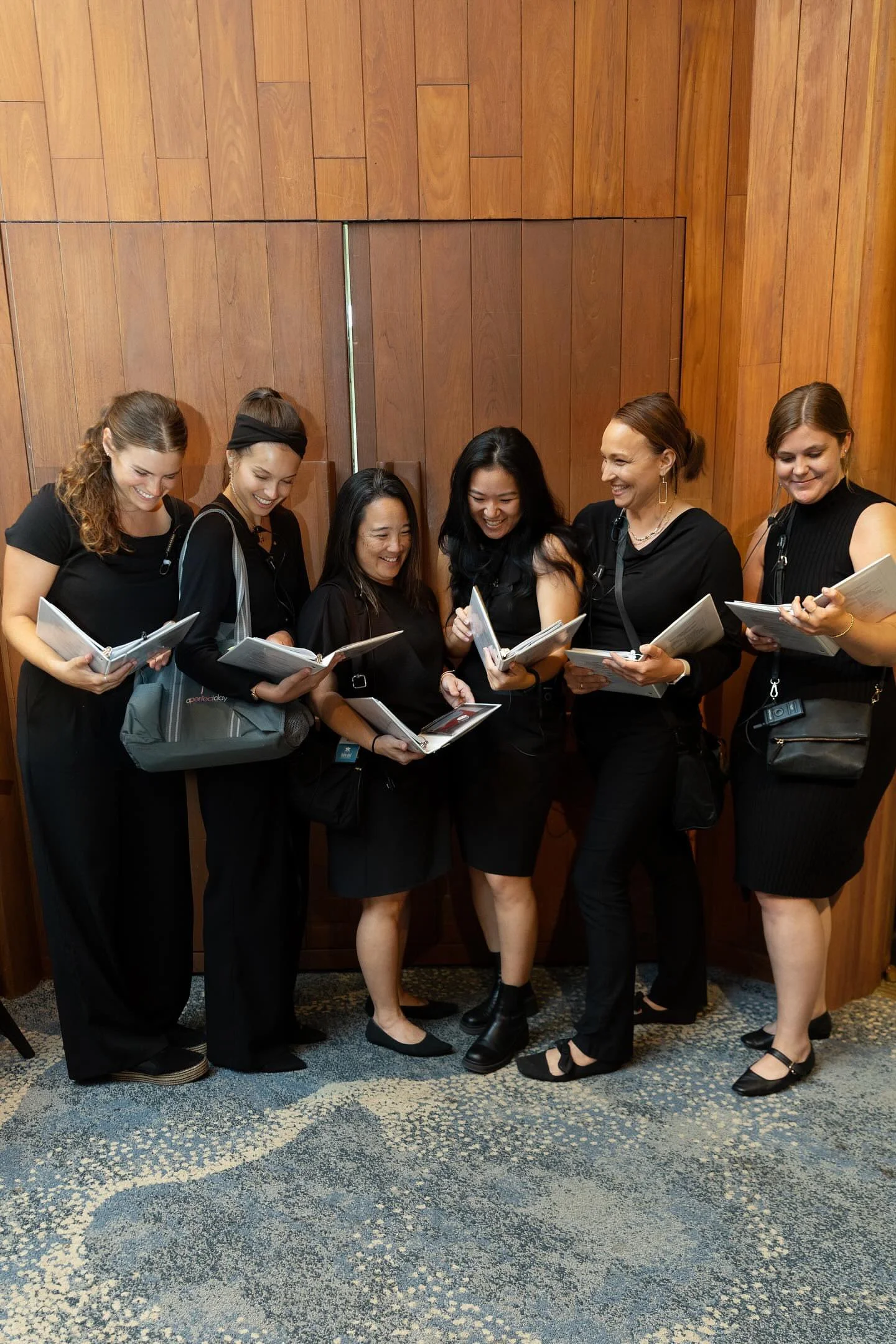
Photography: Visionari
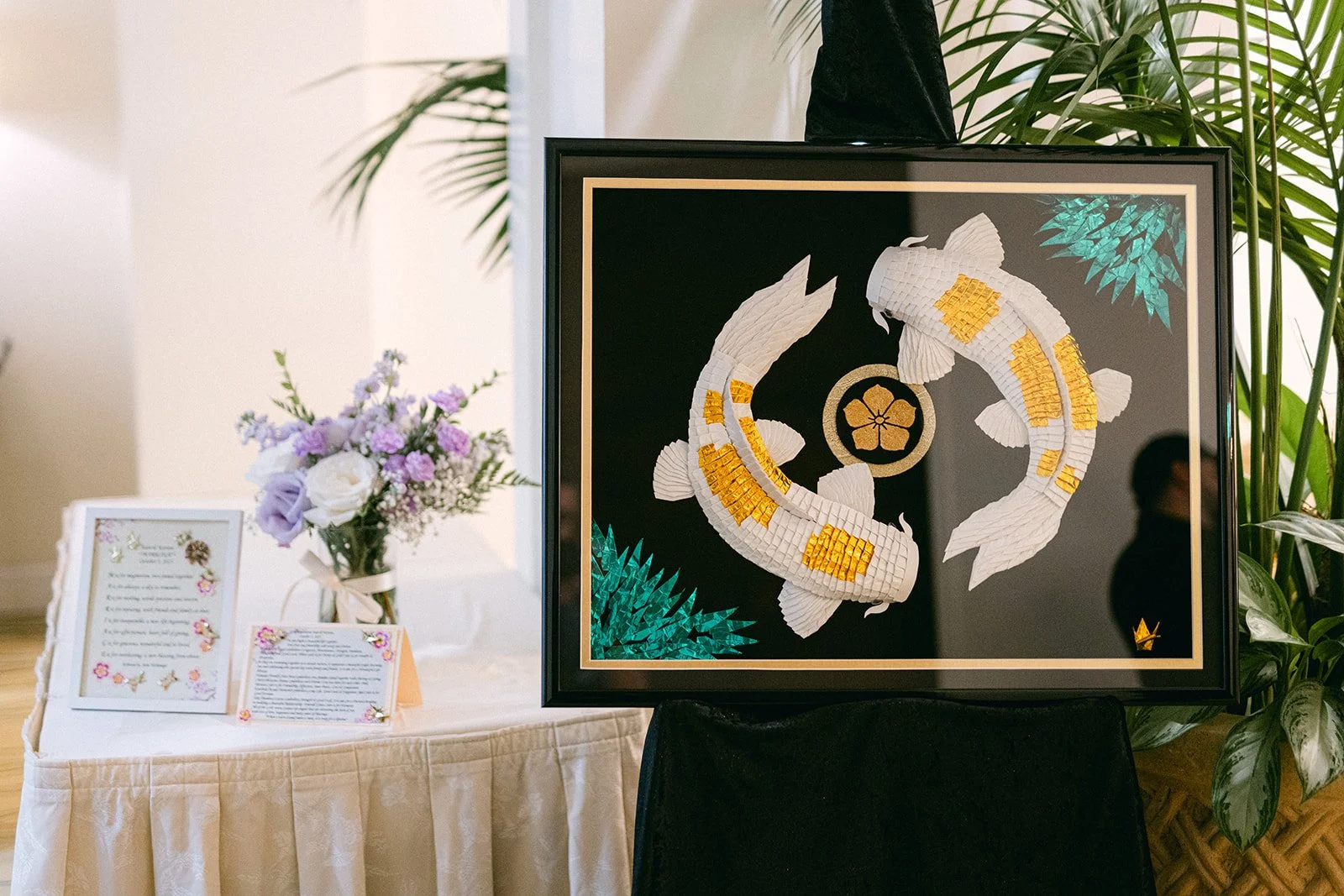
Add Subtle Halloween Details
You don't have to decorate every table with pumpkins to make your wedding feel Halloween-inspired.
Try incorporating small details instead:
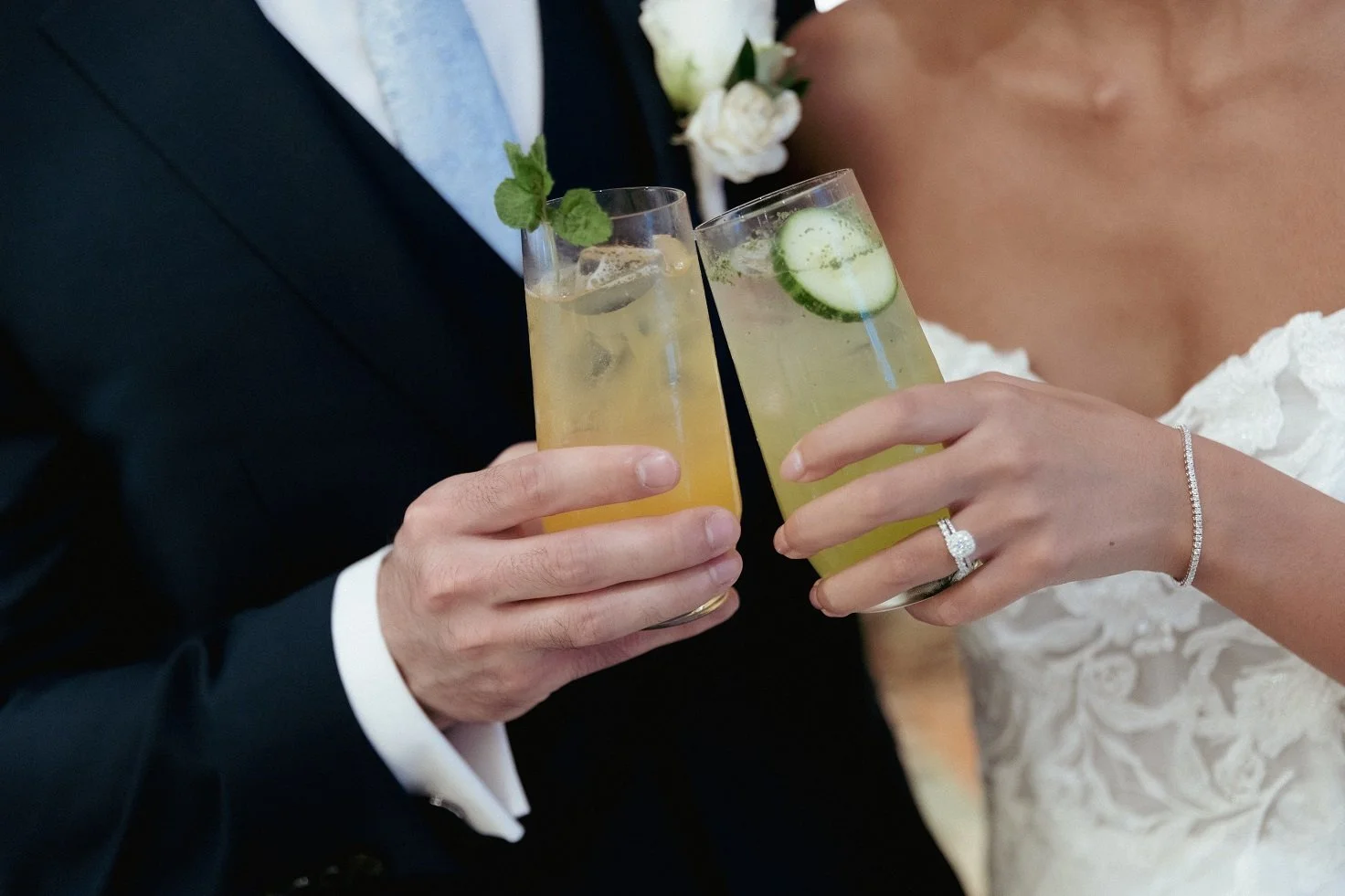
A signature cocktail with a seasonal name
Dark or metallic accents in your table settings
Black or deep-colored stationery
Moody menu cards
Elegant candle arrangements
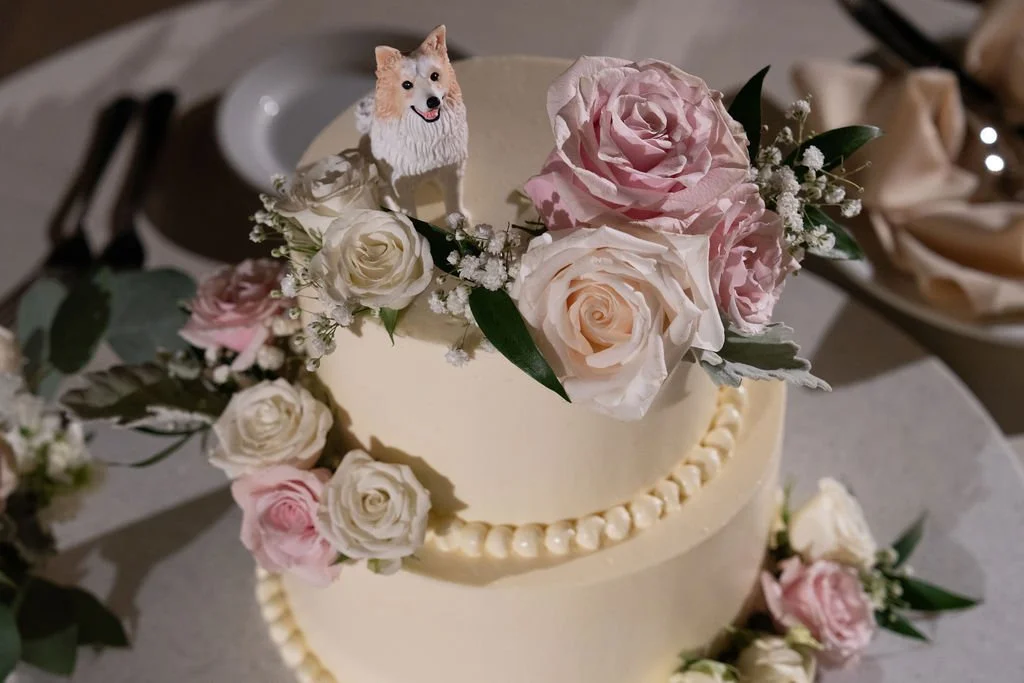
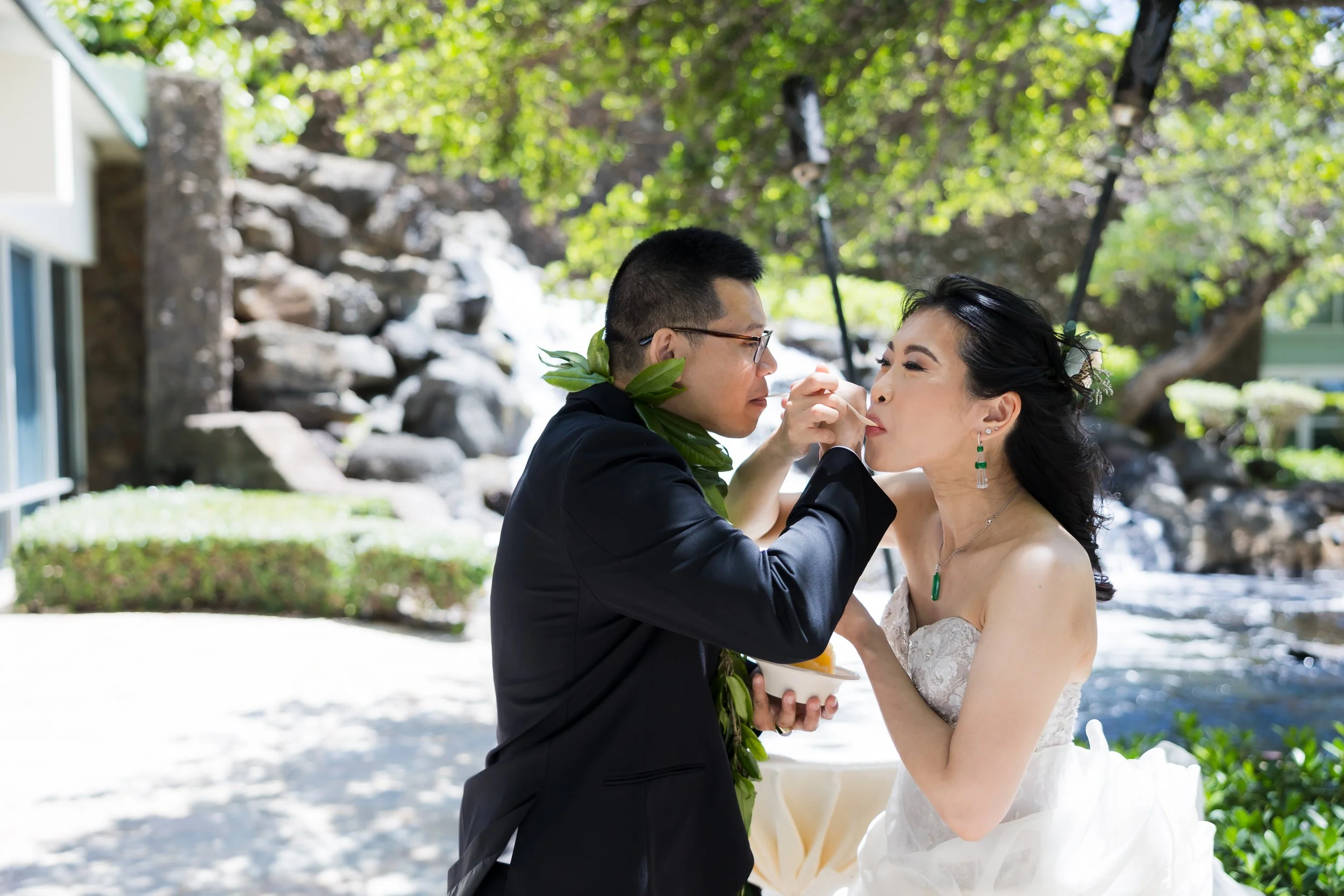
A Halloween-inspired dessert
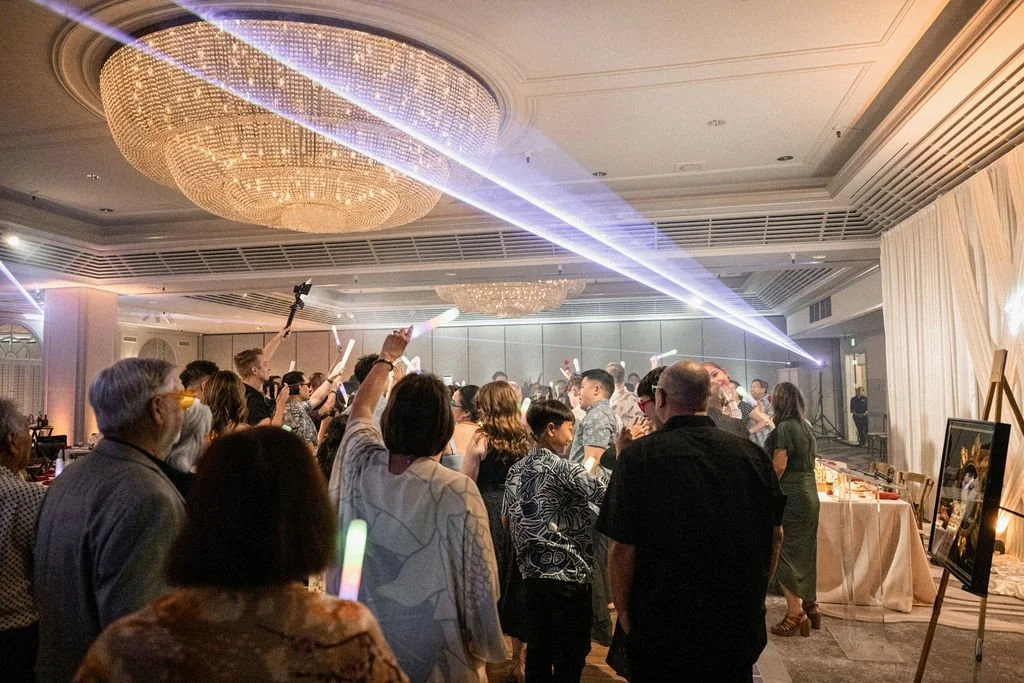
A fun costume change or themed after-party
The goal is to create little moments that guests notice without making the holiday the entire theme!
Choose Elegant Attire With a Twist
If you're looking for a way to embrace the Halloween spirit through fashion, there are plenty of subtle options.
A black wedding dress, dark manicure, statement earrings, dramatic veil, or deep-colored accessories can add a touch of drama while keeping your overall look bridal.
For the groom or wedding party, consider black or deep-toned suits paired with classic accessories.
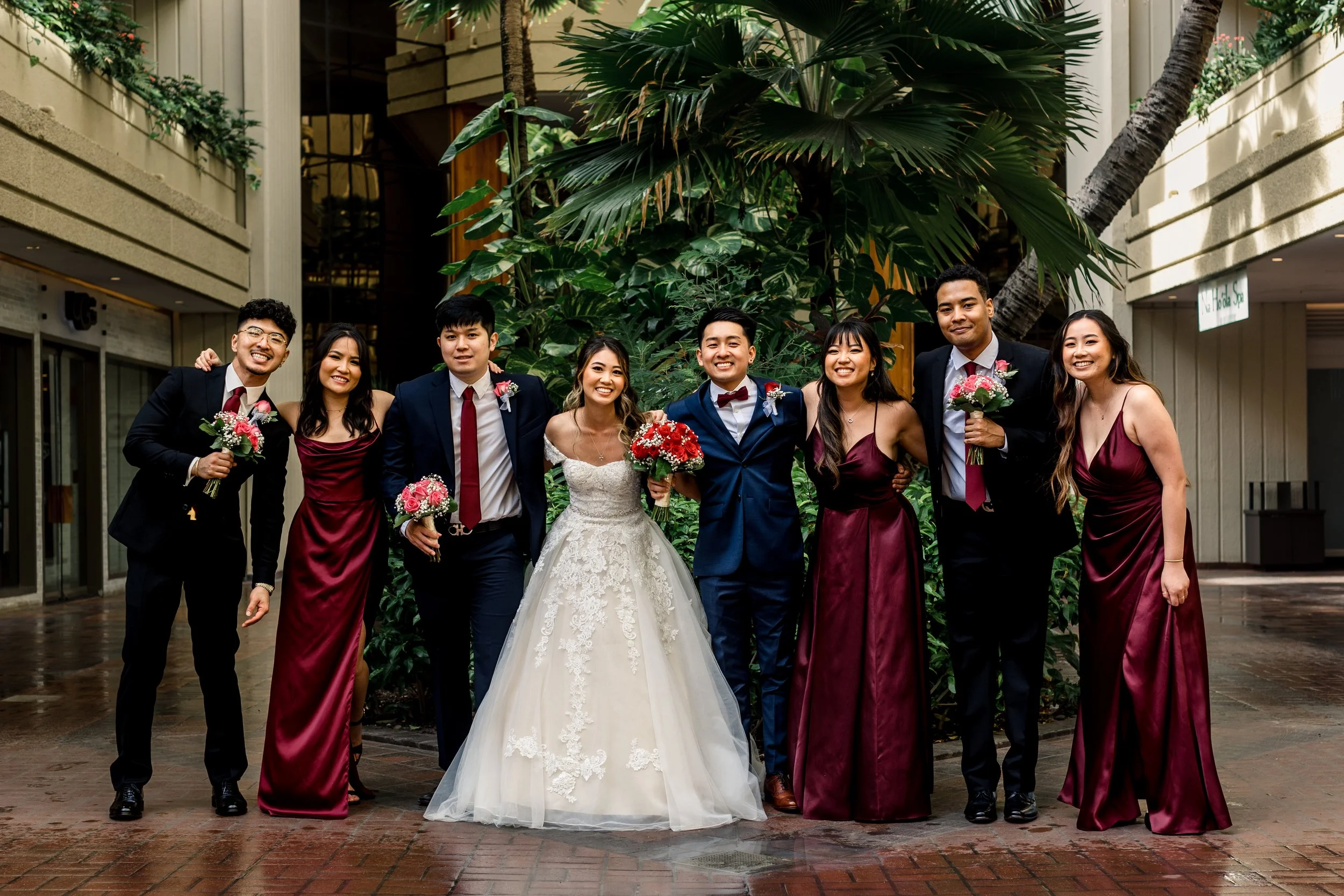
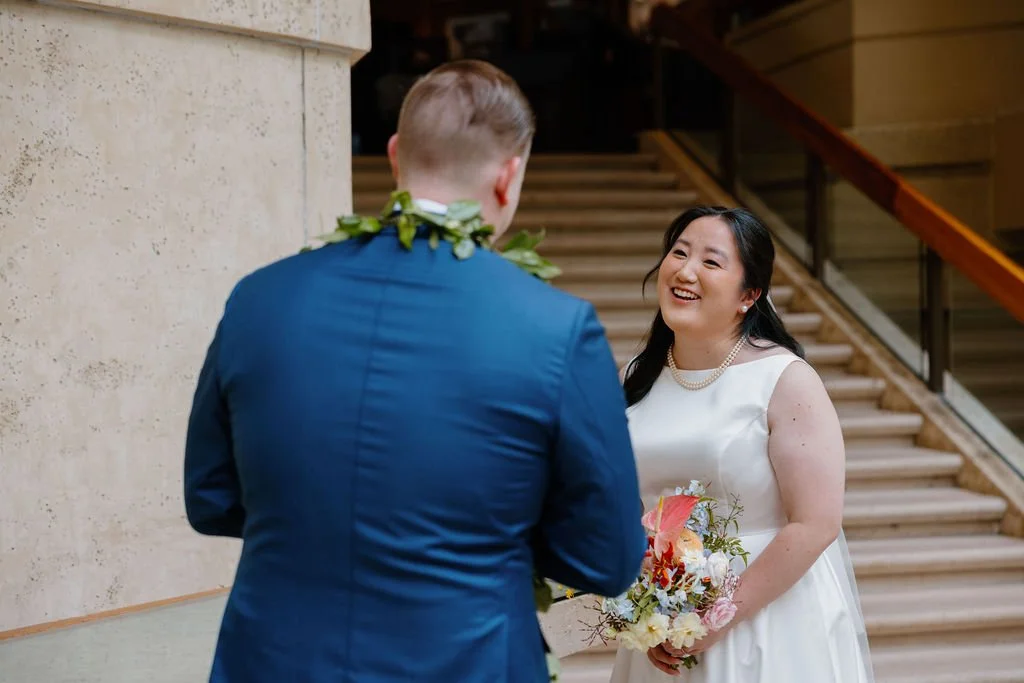
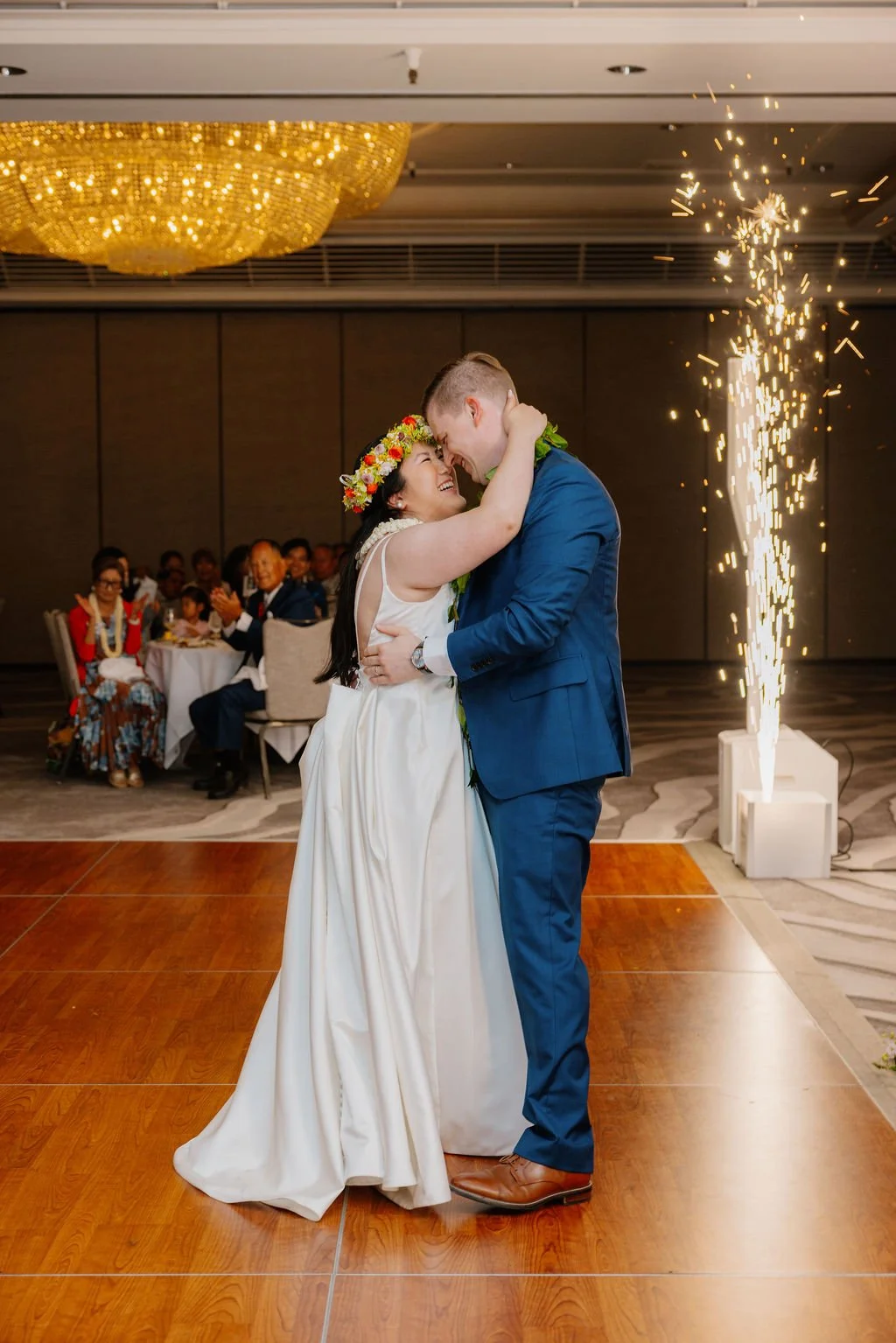
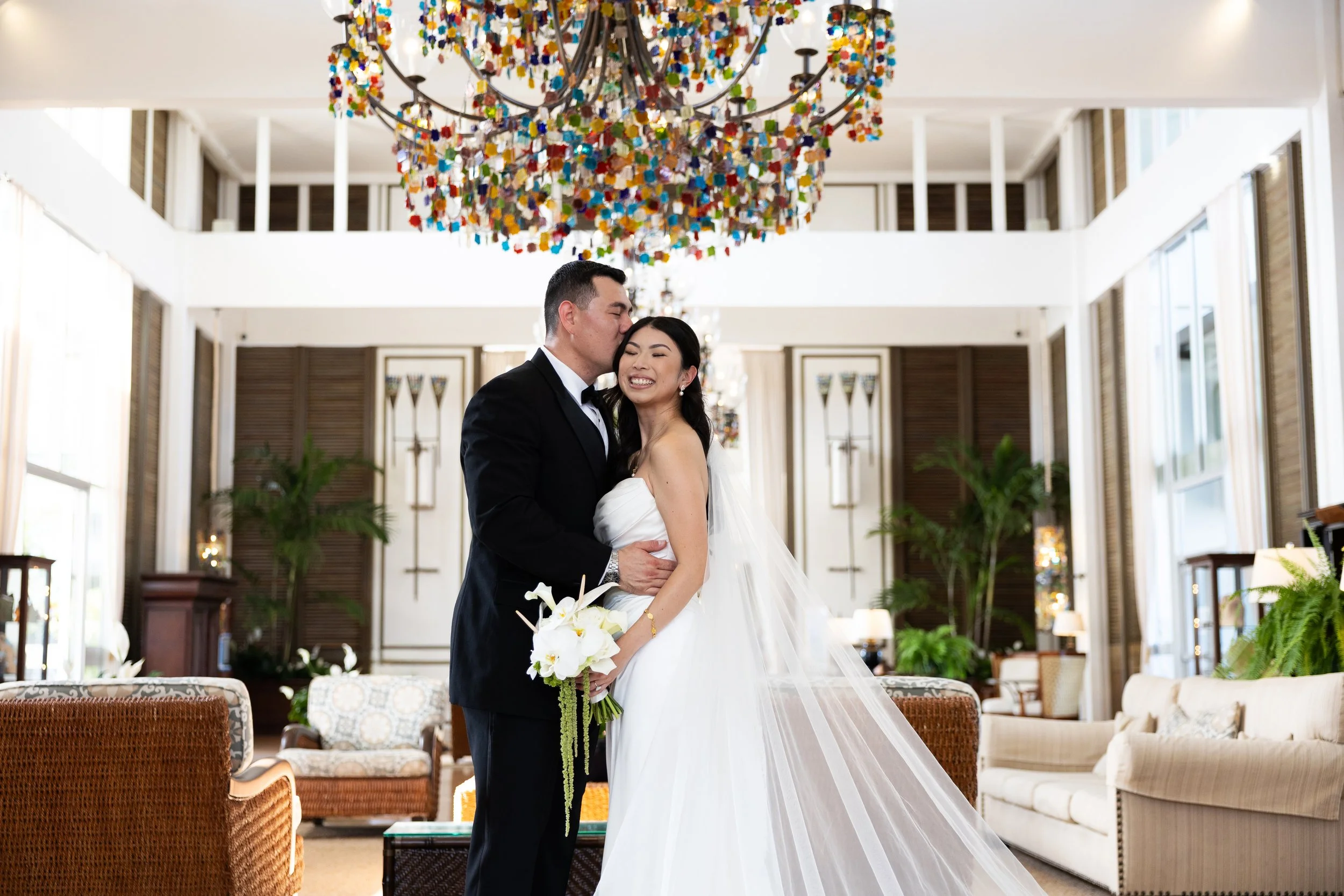
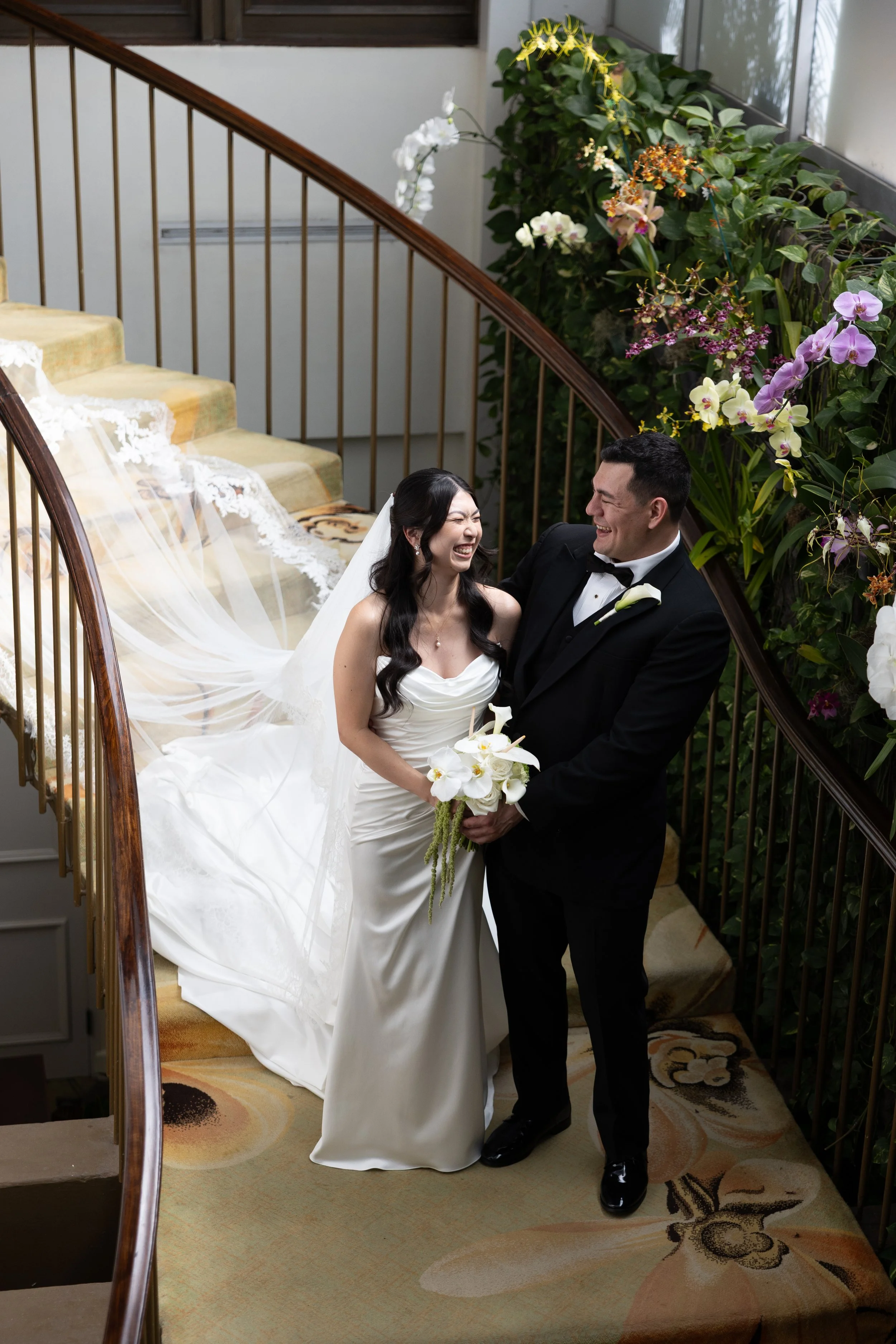
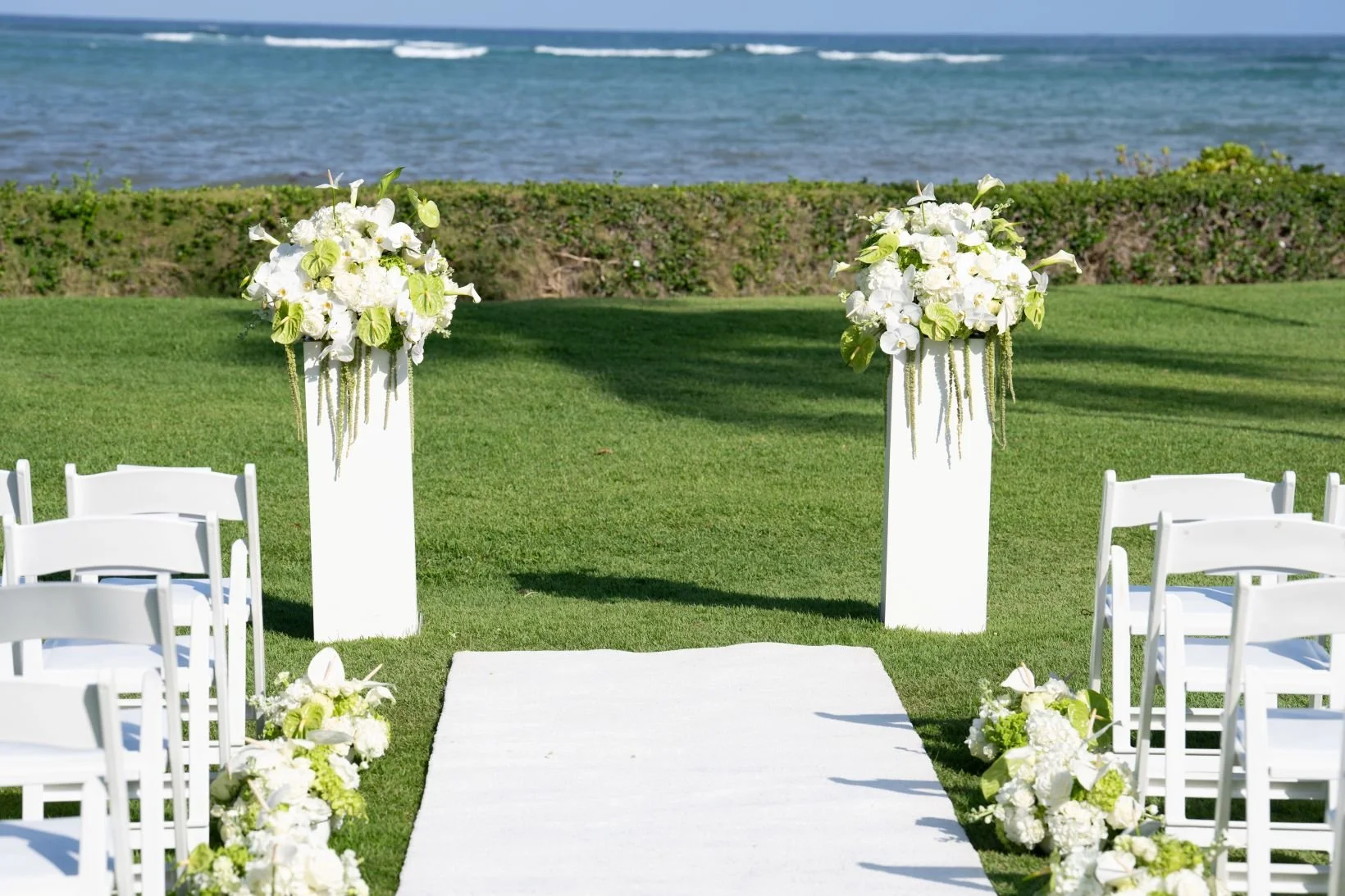
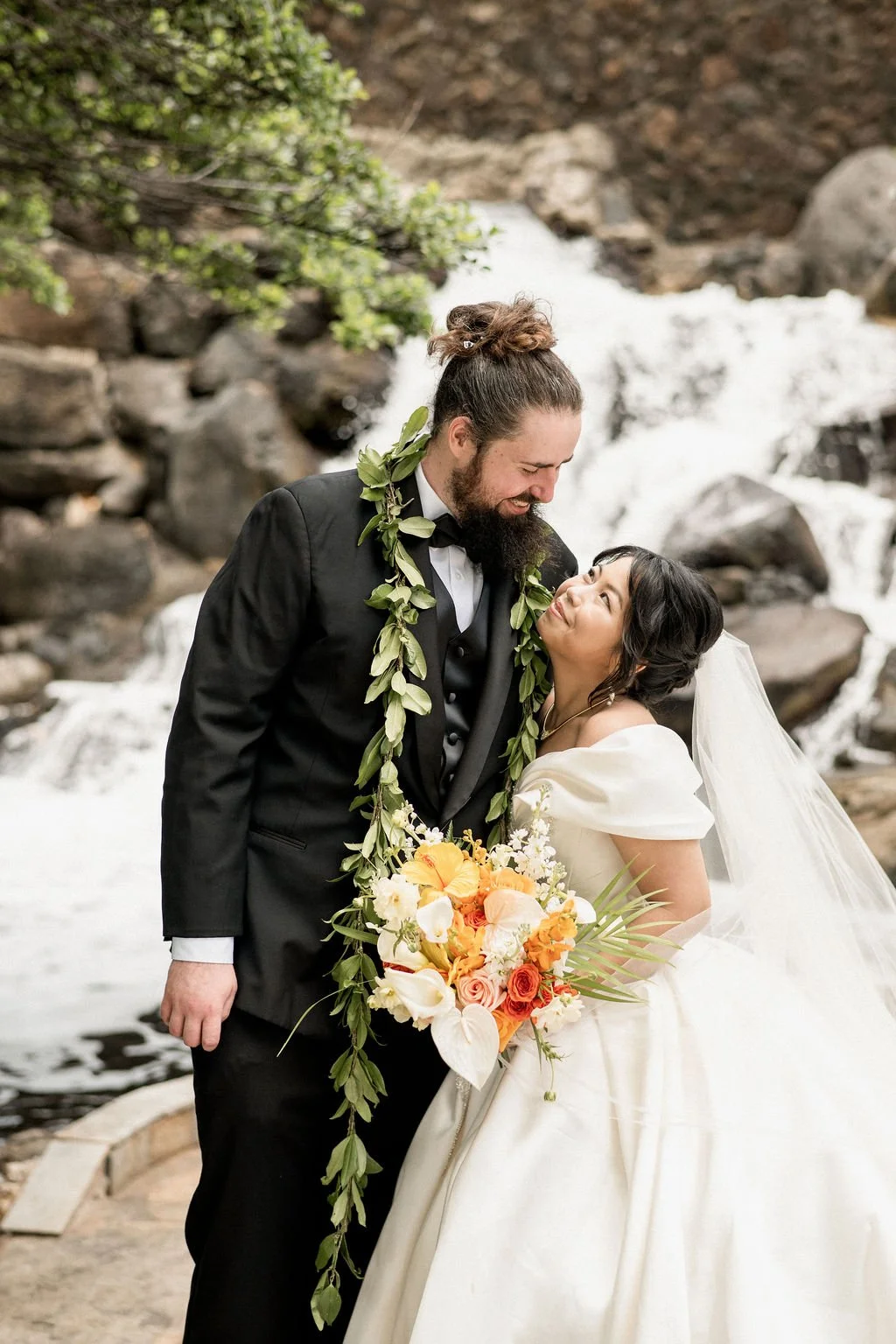
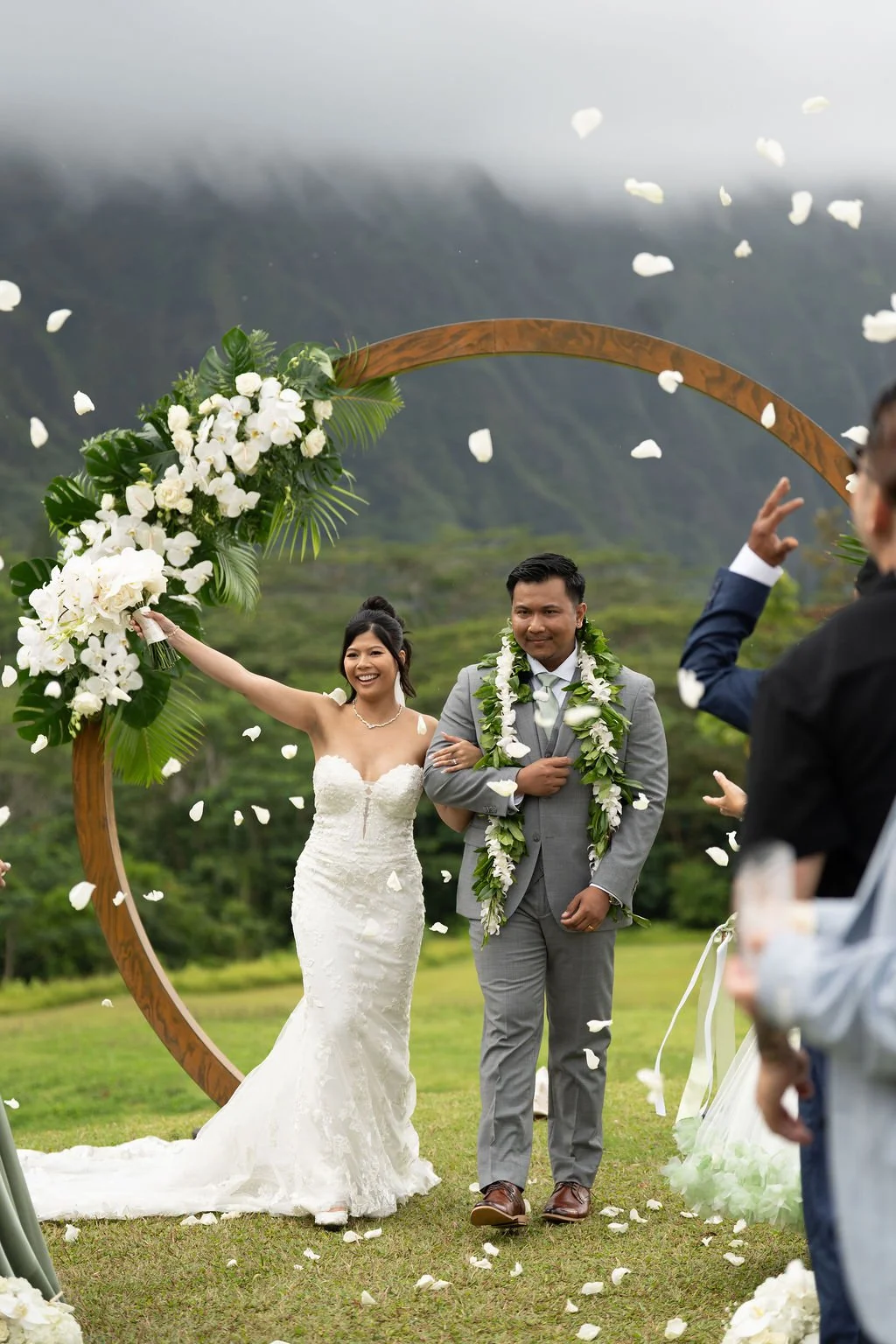
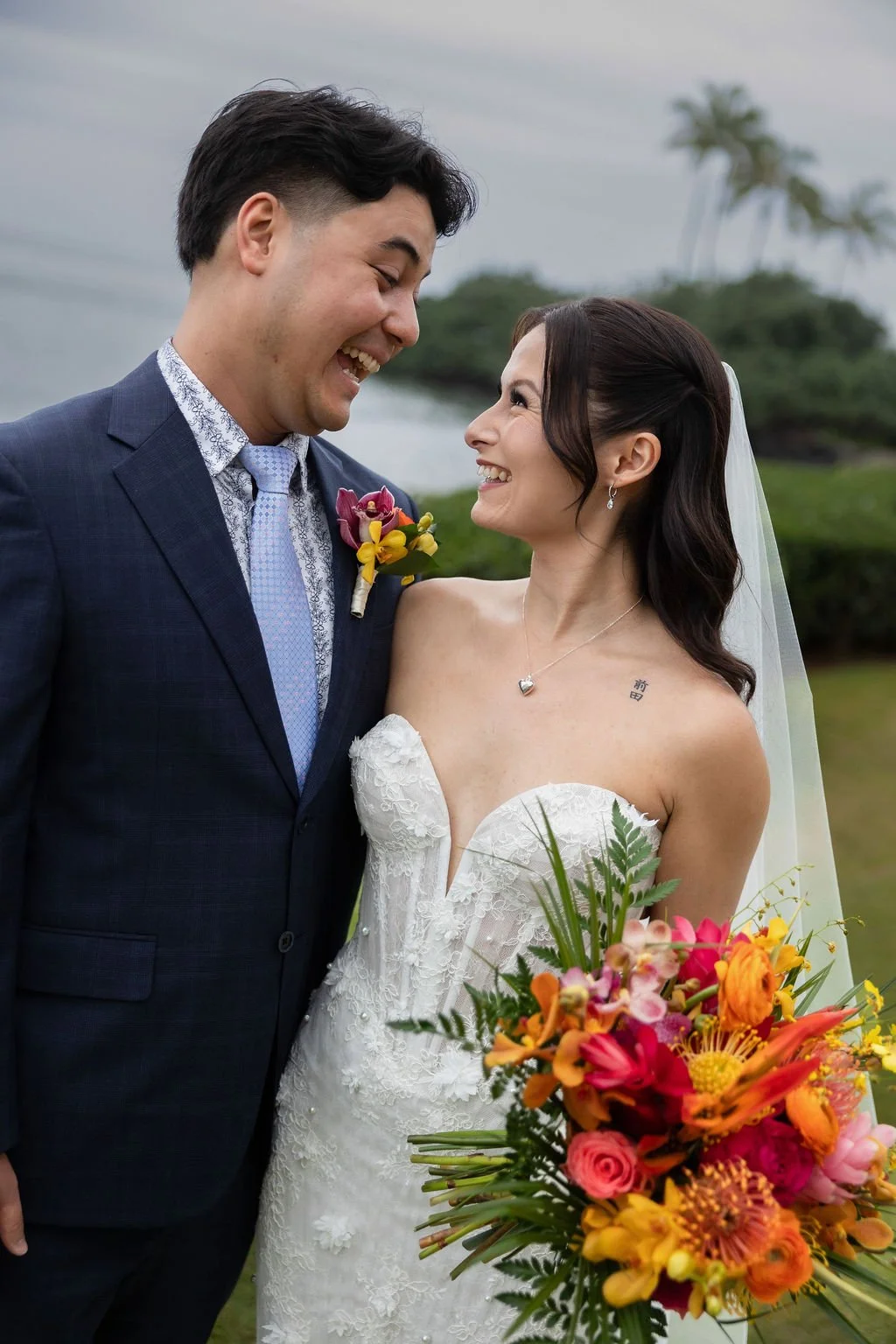
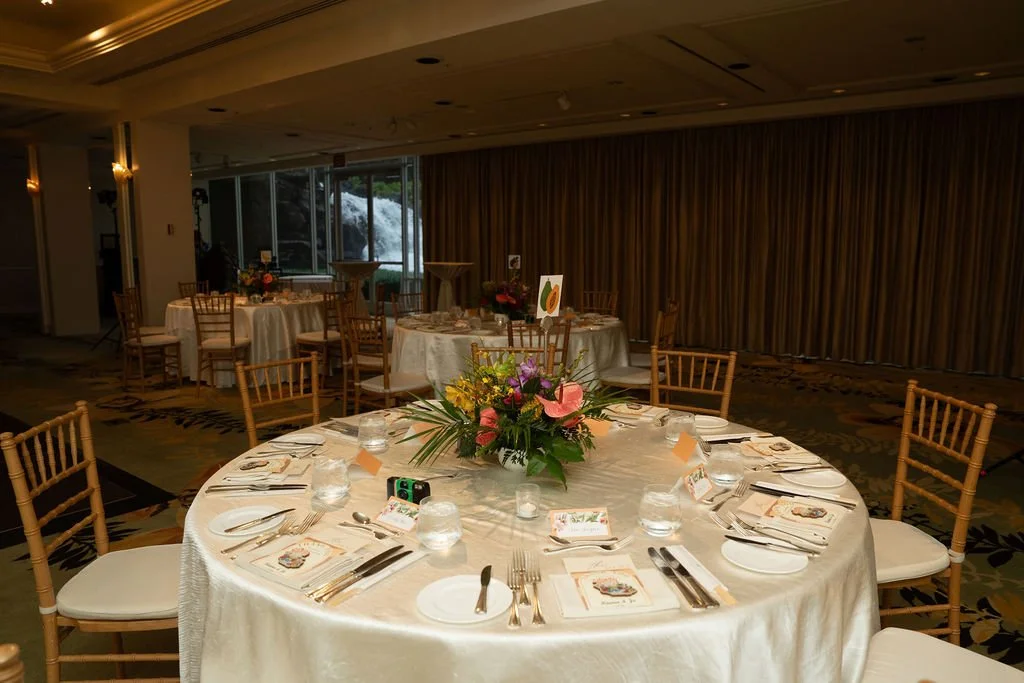
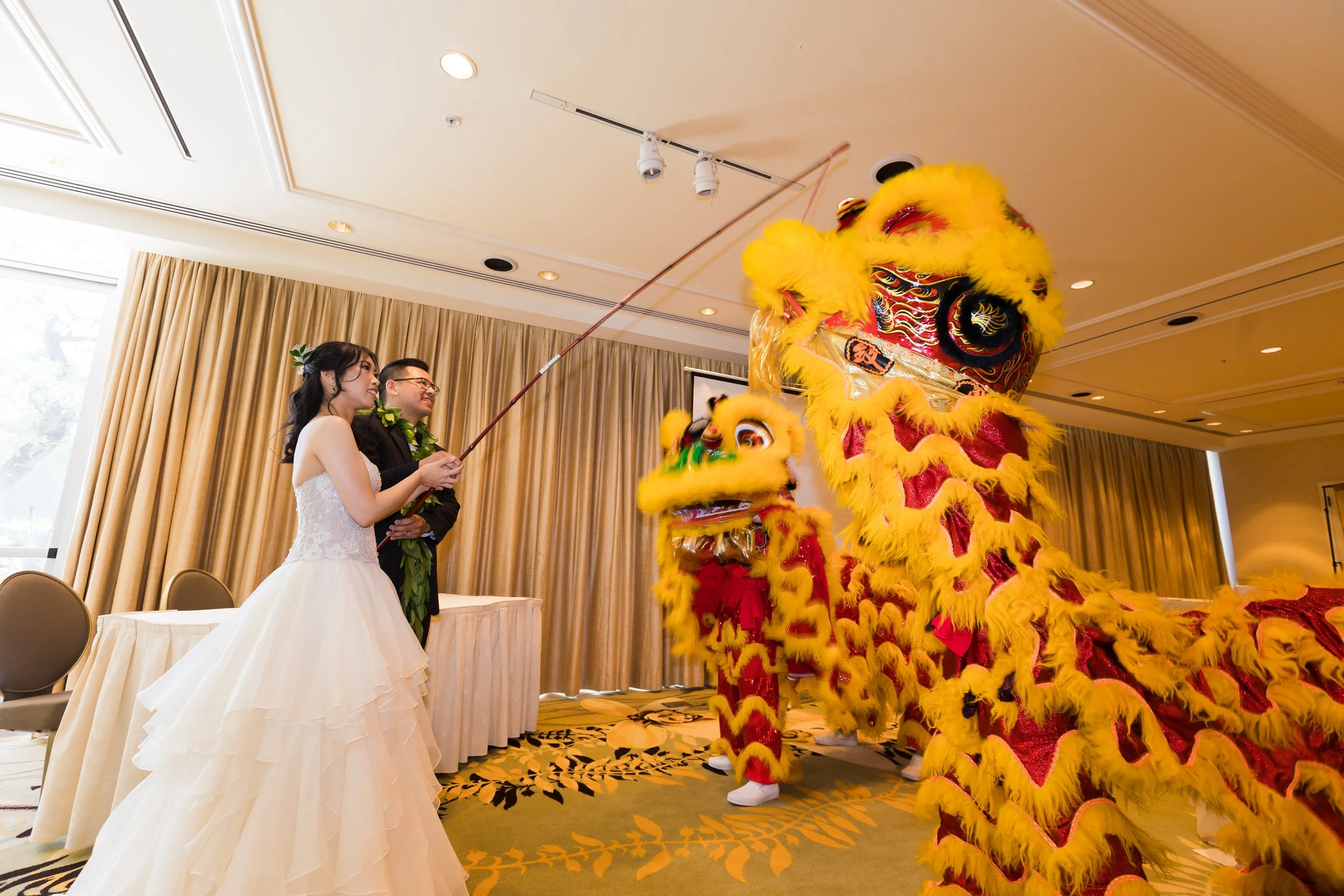
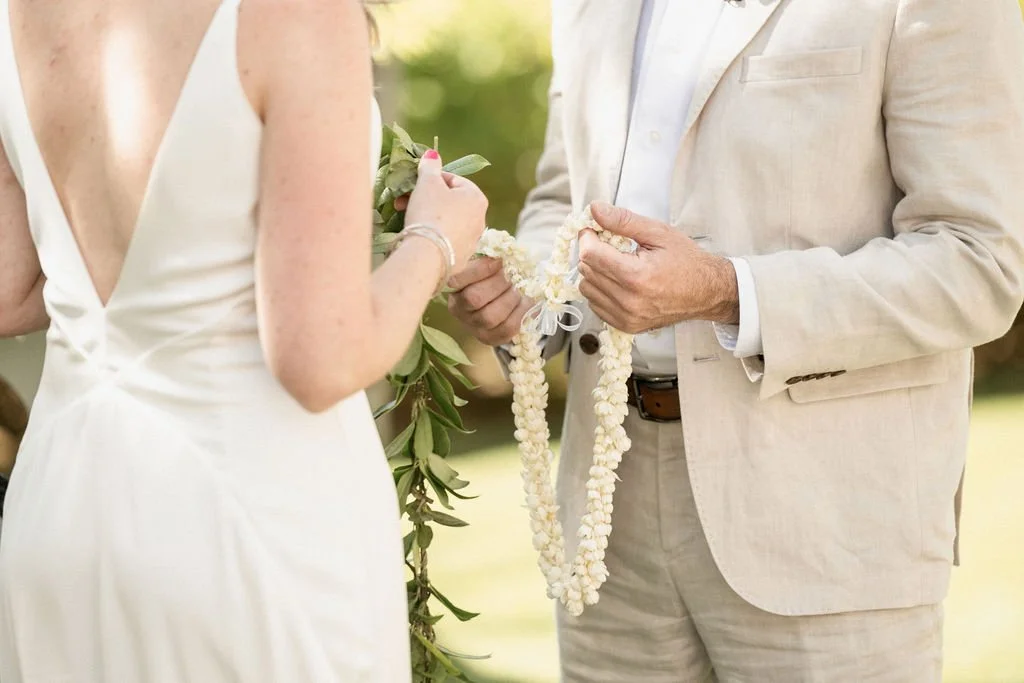
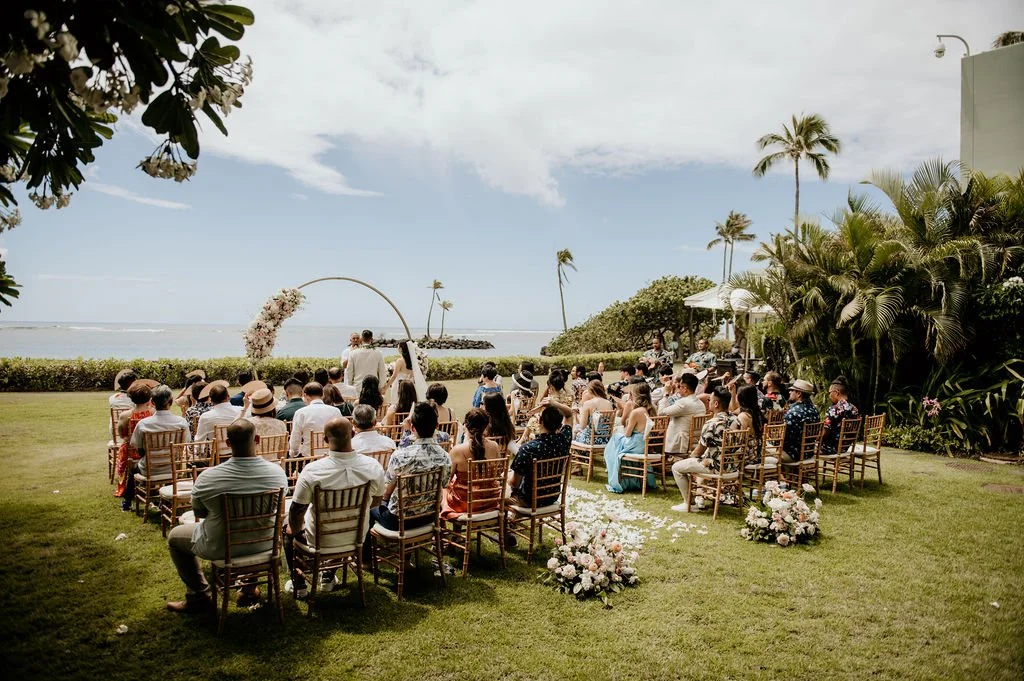
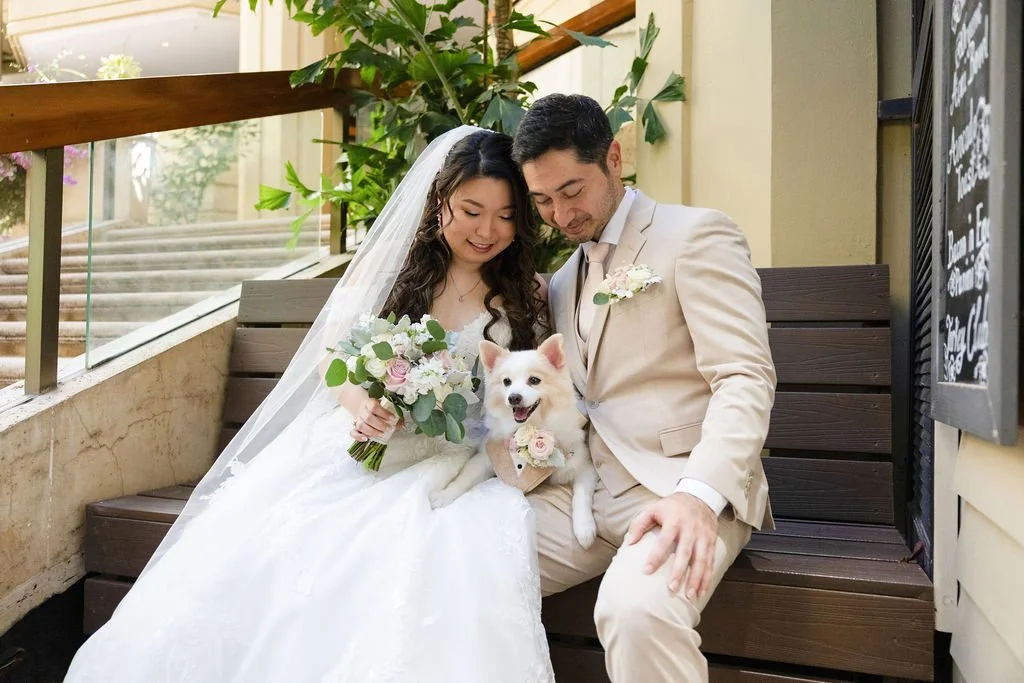
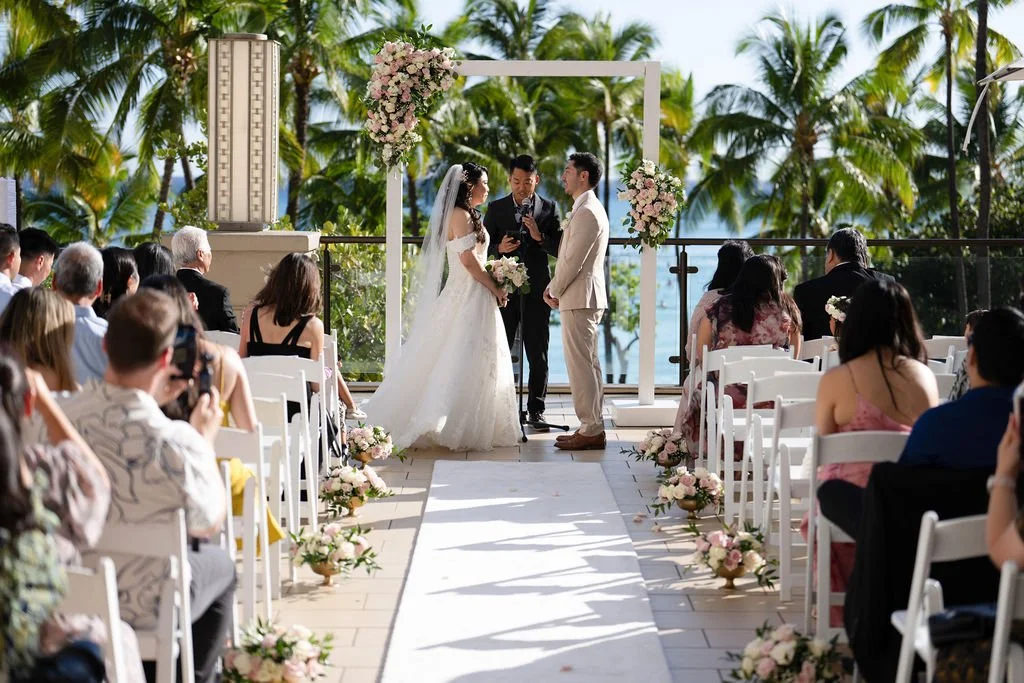
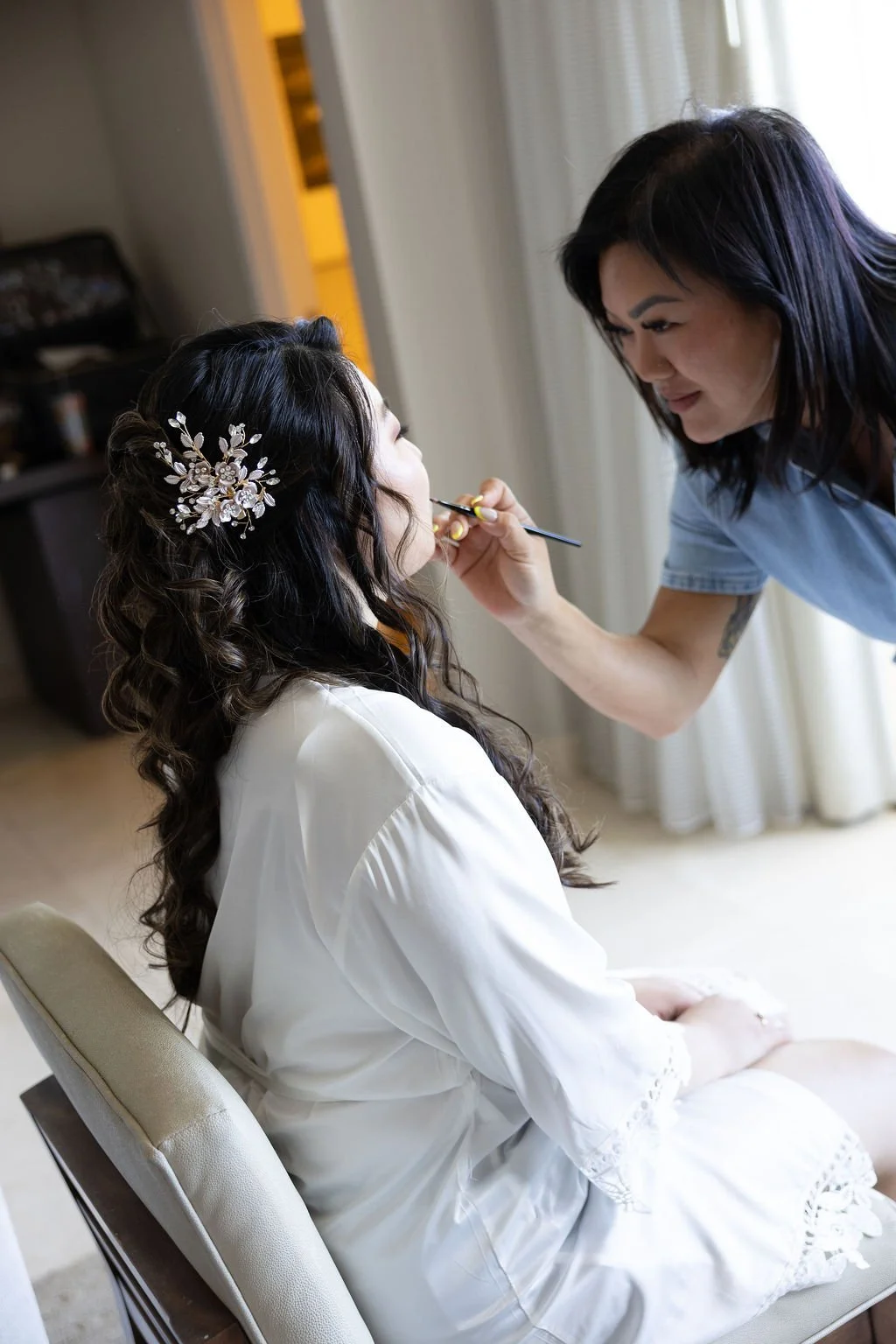
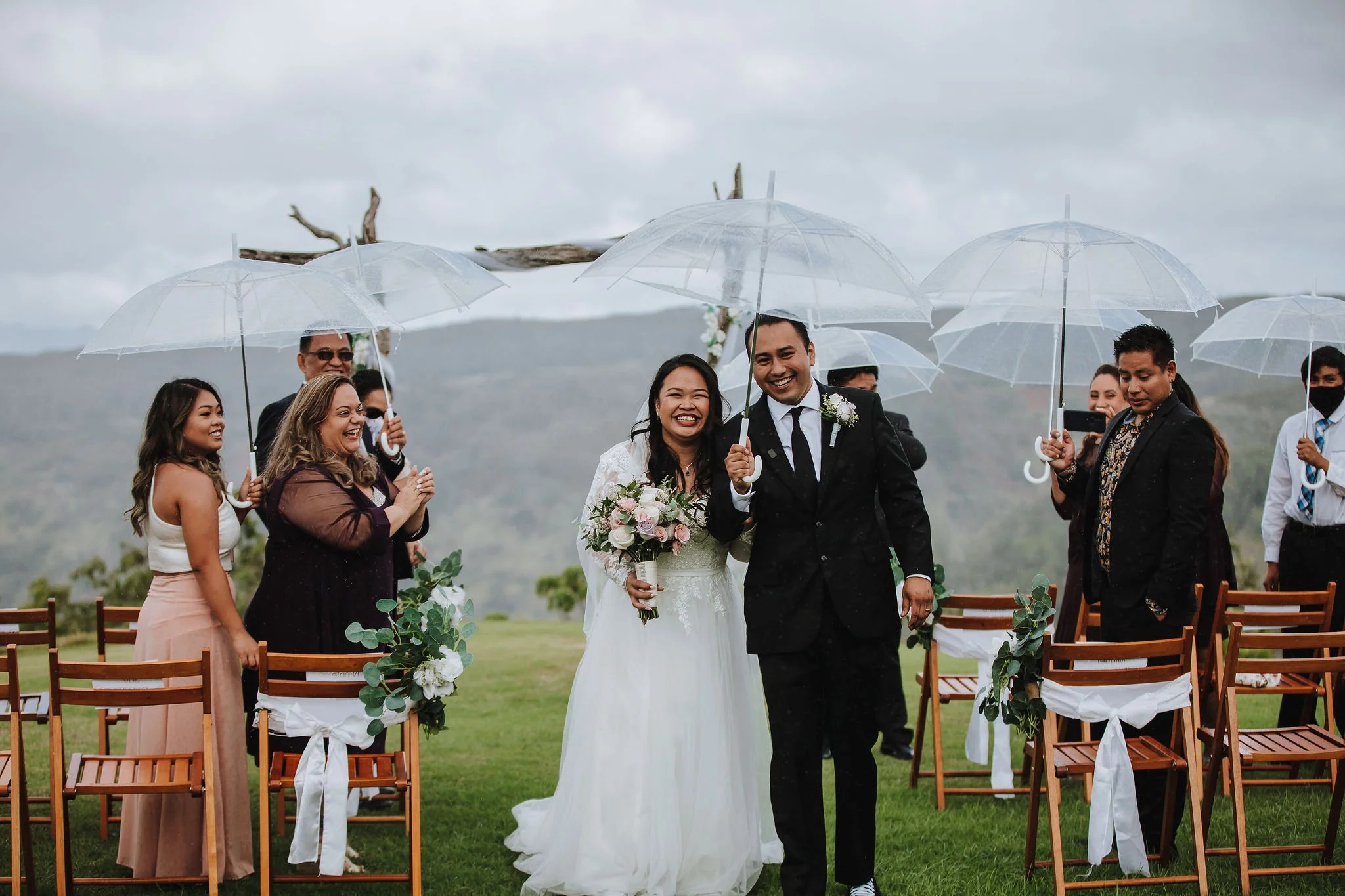
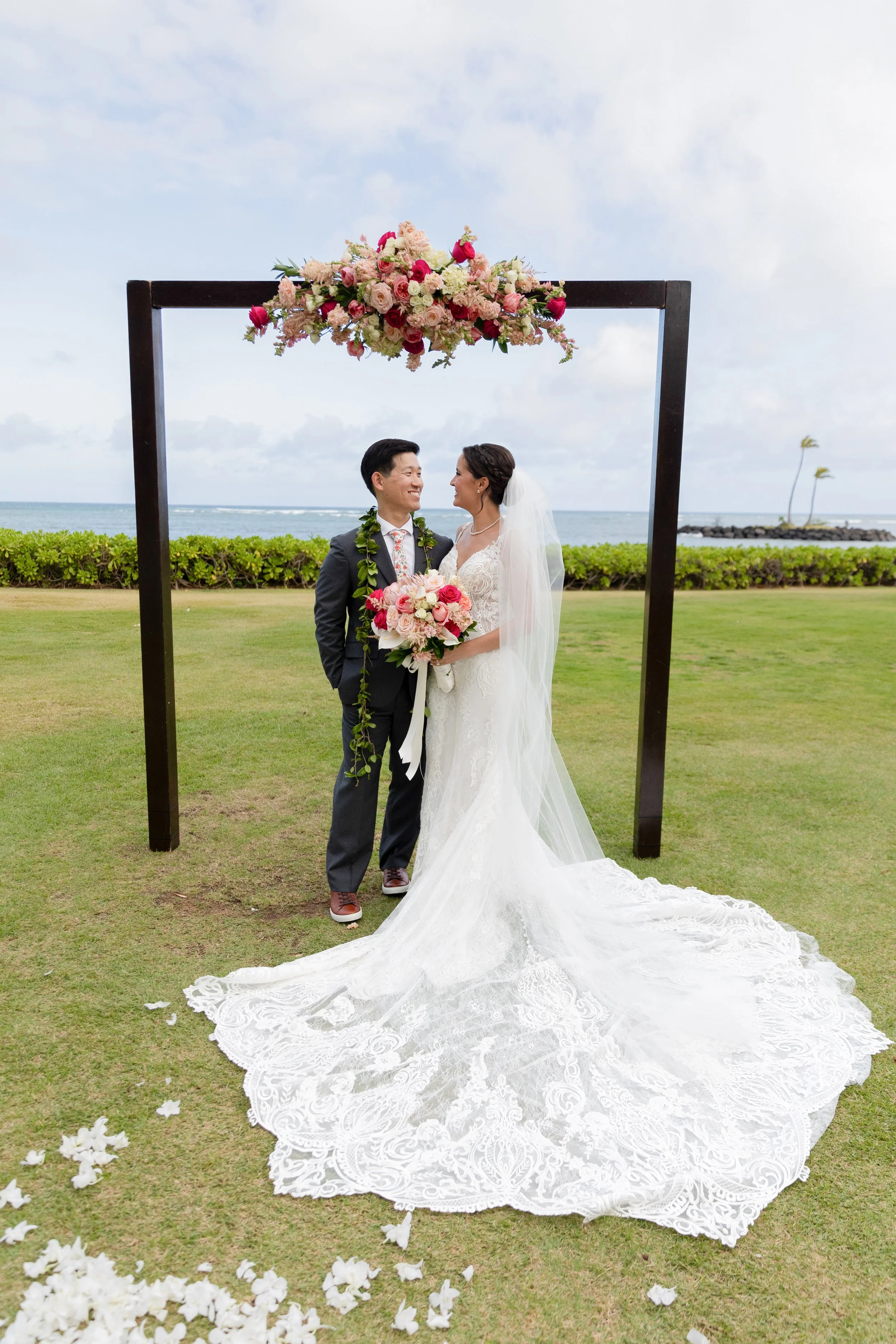
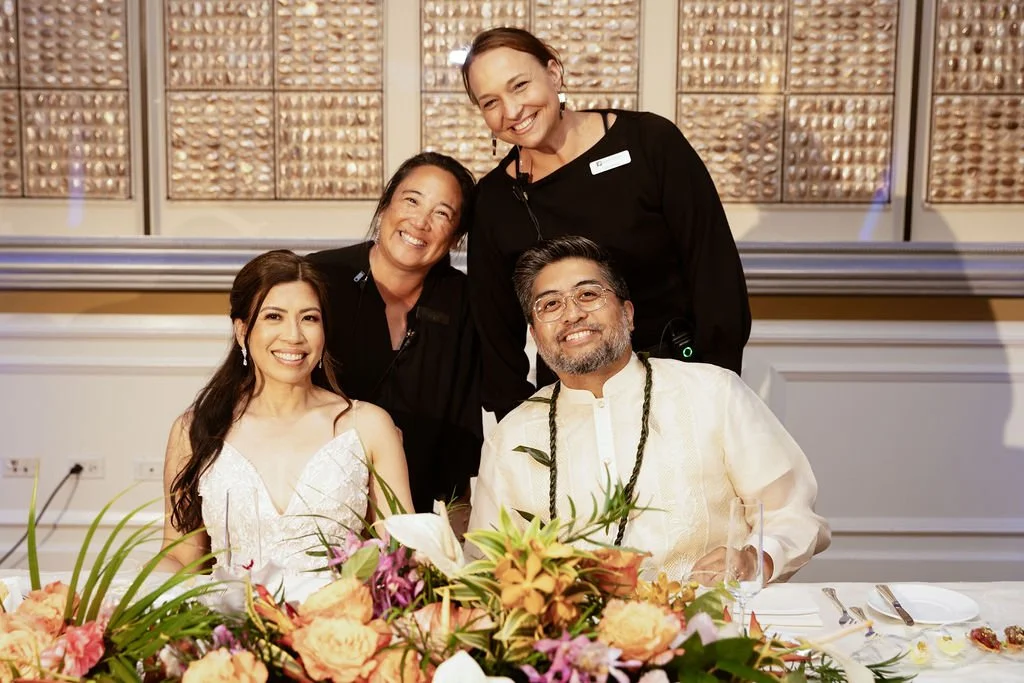
Photography: Mike Pham Photography
Don't Forget the Fun!
An elegant Halloween wedding can still have a playful side.
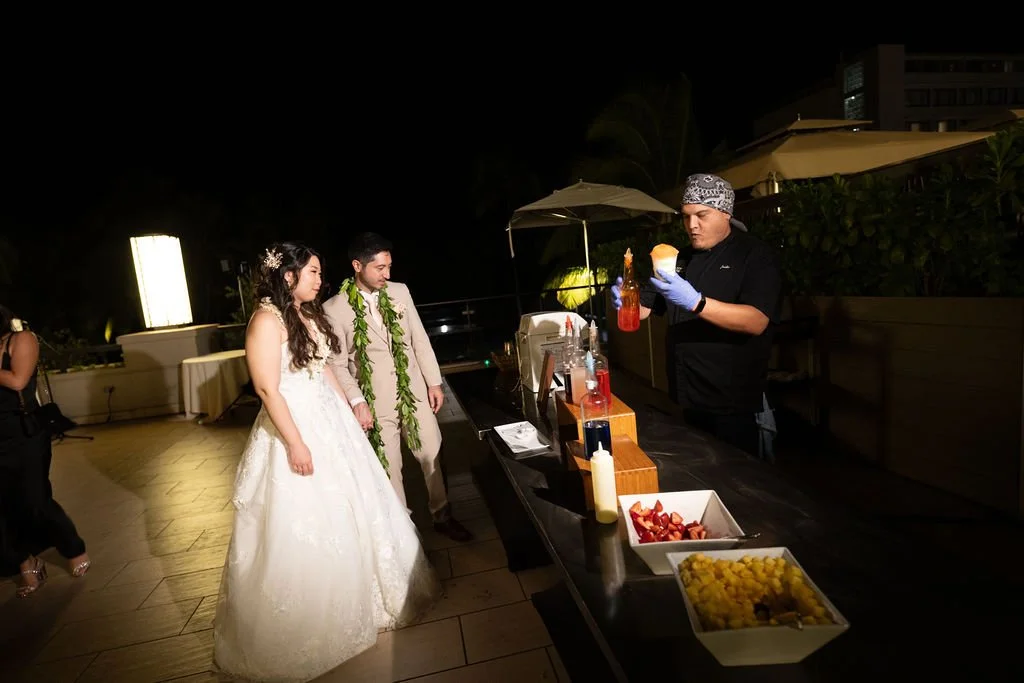
Consider encouraging guests to dress up for an after-party, adding a fun Halloween-themed photo opportunity, or surprising everyone with a seasonal dessert or cocktail later in the evening.
You can keep the ceremony and reception sophisticated while letting loose once the formalities are over!
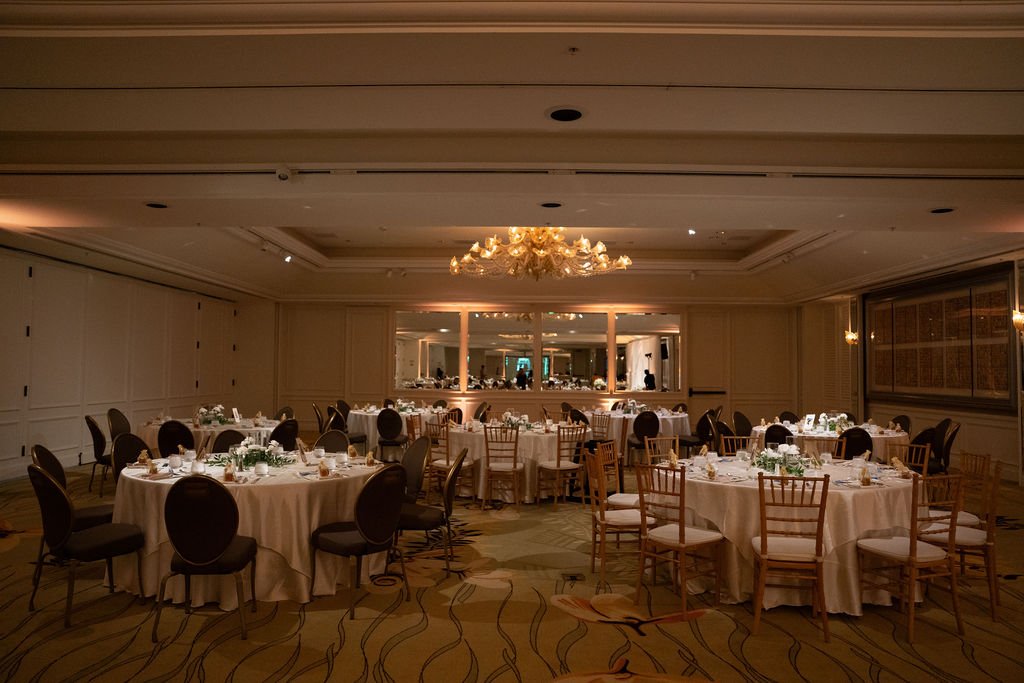
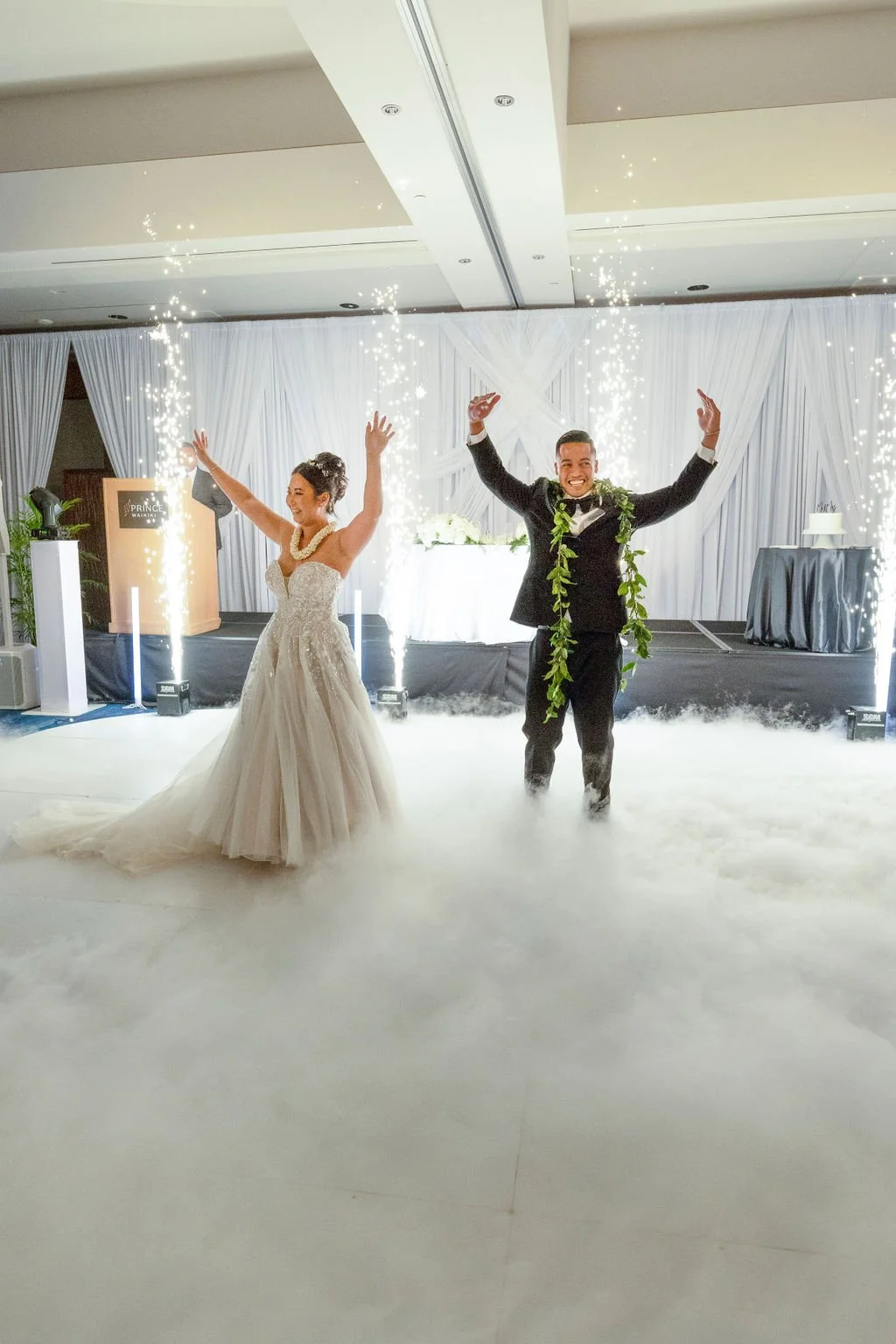
Photography: Bianca Photography
Embrace the Season—Your Way
A Halloween wedding doesn't have to look like Halloween.
Instead of focusing on obvious spooky decorations, think about what you actually love about the season: dramatic colors, cozy evenings, candlelight, rich textures, and a little bit of mystery.
Then combine those elements with your own wedding style.
Whether you go full dramatic and romantic or keep things subtle with just a few seasonal details, the best Halloween wedding is one that feels unmistakably you!
XOXOXO
(A Perfect Day)